• Skip to primary navigation
  • Skip to main content
Reef Catchments Three Colour PMS
  • About
    • Annual reports
    • CEO’s Message
    • Board members
    • Our team
    • Careers
    • Partners
    • Queensland NRM Network
    • Strategic plan
    • Become a member
    • Update your contact details
  • Projects
    • Sustainable Agriculture
    • Waterways
    • Biodiversity
    • Great Barrier Reef
  • NRM Plan
    • NRM Plan 2014-2024
    • NRM region map
    • NRM Plan supporting documents
  • News
    • Articles
    • Newsletters
    • Media releases
    • Citizen Science Calendar
  • TORG
  • Events
  • Resources
    • Species, ecosystems & pests
  • Get involved
  • Careers
  • Contact us
×
  • About
    • Annual reports
    • CEO’s Message
    • Board members
    • Our team
    • Careers
    • Partners
    • Queensland NRM Network
    • Strategic plan
    • Become a member
    • Update your contact details
  • Projects
    • Sustainable Agriculture
    • Waterways
    • Biodiversity
    • Great Barrier Reef
  • NRM Plan
    • NRM Plan 2014-2024
    • NRM region map
    • NRM Plan supporting documents
  • News
    • Articles
    • Newsletters
    • Media releases
    • Citizen Science Calendar
  • TORG
  • Events
  • Resources
    • Species, ecosystems & pests
  • Get involved
  • Careers
  • Contact us
Hide Search

jamie

How Gravid Coral Checks Help to Predict Spawning

jamie · Nov 7, 2025 · Leave a Comment

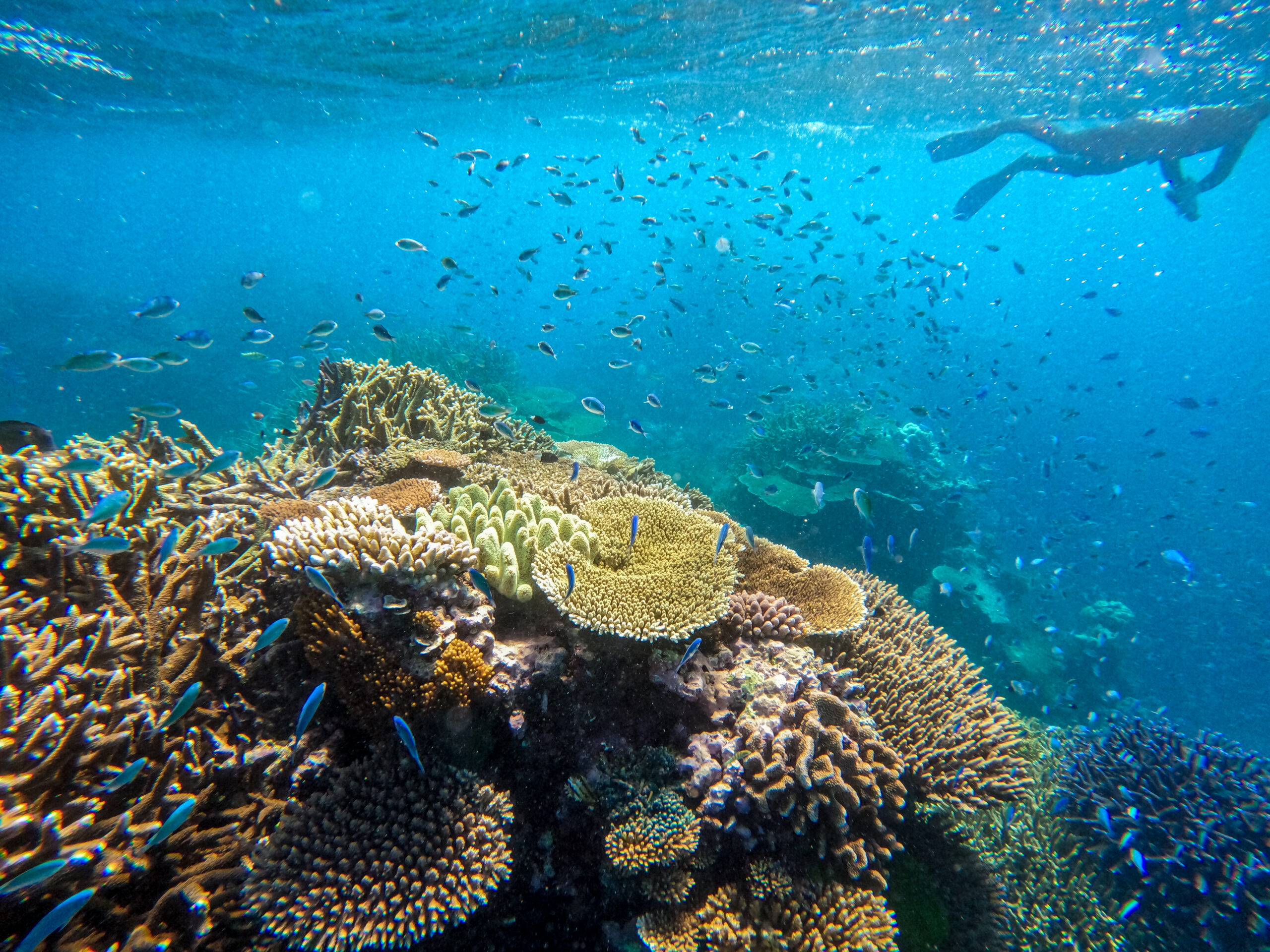
Silly season is almost upon us! And by that, of course we mean coral spawning season. This weekend, corals throughout the Great Barrier Reef will spawn, releasing their reproductive bundles into the water column in a synchronised event. For our Reef Team this is a very busy time of year!

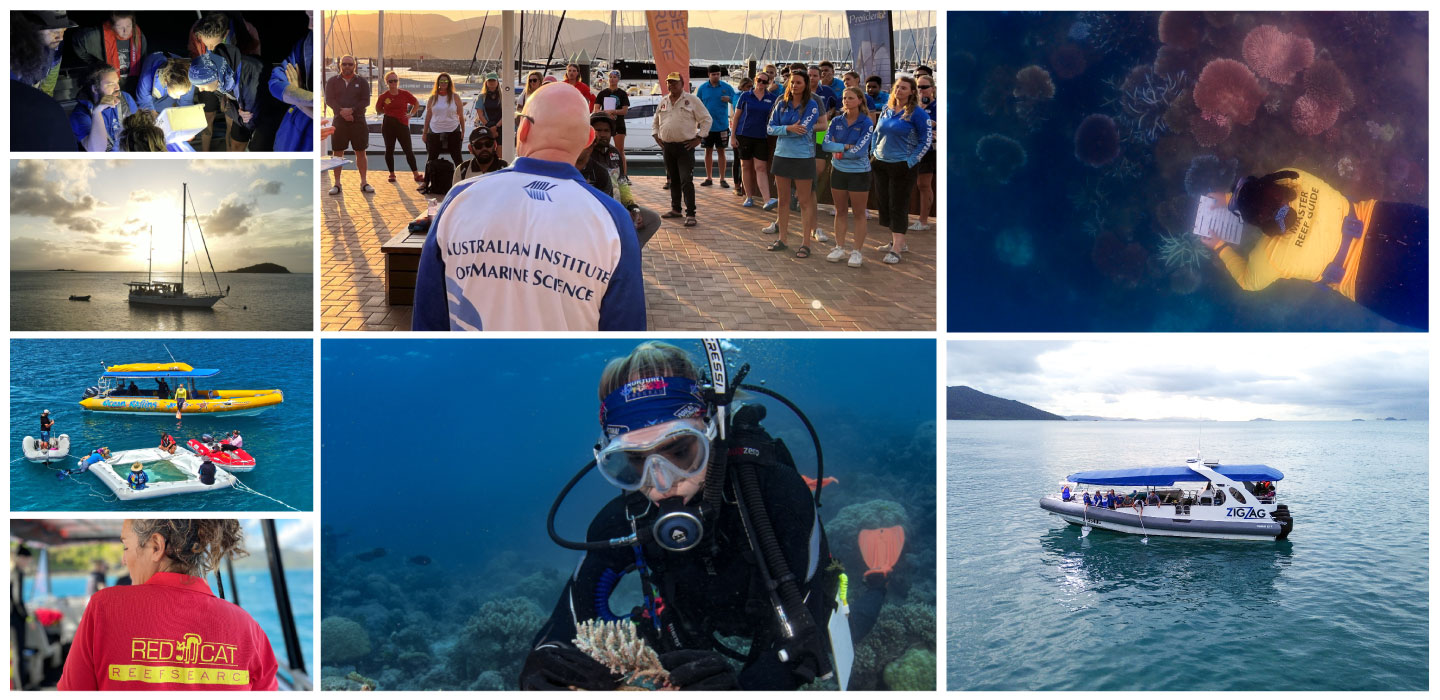
As a partner of the Boats4Corals project, alongside the Australian Institute of Marine Science (AIMS), a range of local tourism operators, and Traditional Owners, we collect coral spawn and release the larvae into other reef areas which may not get as much natural larval inflow, and are therefore slower to recover from impacts.  

The preparation for this year’s spawning has already begun. Last week, the Boats4Corals team inspected 12 sites around the Whitsundays for their readiness to spawn, referred to as gravid coral checks.  

During gravid coral checks, we assess several factors to determine whether a site is suitable for coral spawn slick collections. Key considerations include the extent and diversity of hard coral coverage, the presence and development stage of coral eggs, and whether the area is protected or has any environmental or physical barriers that might inhibit slick formation. These elements help us evaluate the site’s potential for successful collection and monitoring.

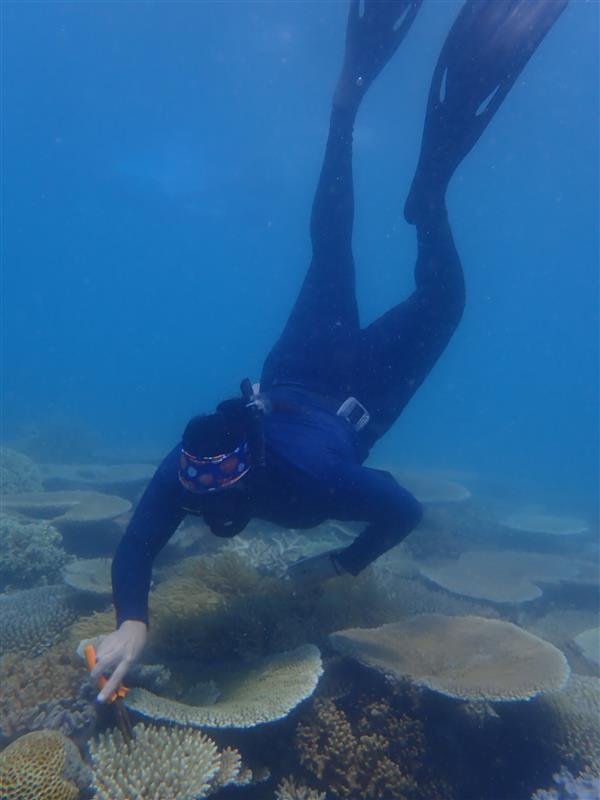
Reef Catchments Great Barrier Reef Manager Cass Hayward conducting gravid coral checks. Photo courtesy of Red Cat Adventures.

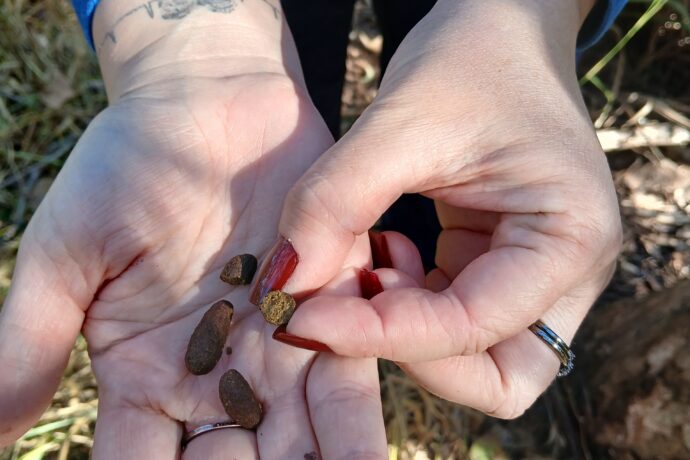
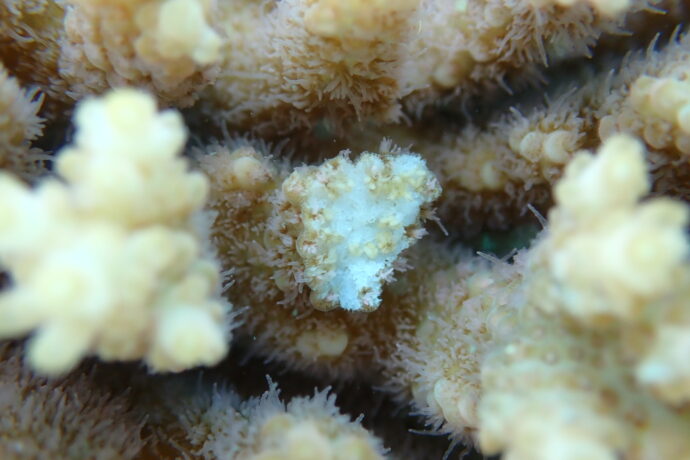
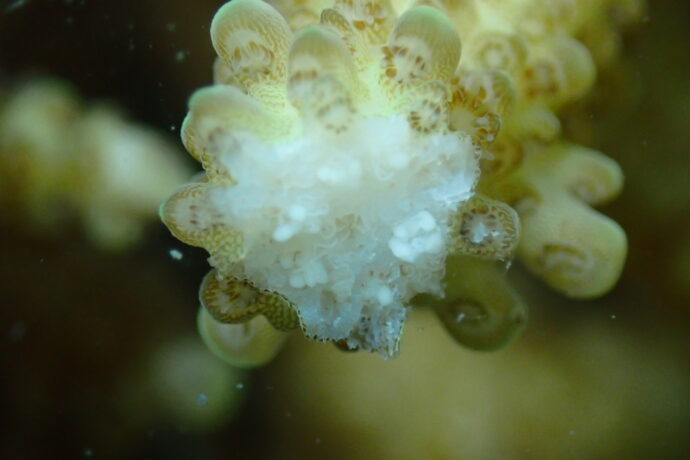
To answer these last two questions, the team take small samples of coral and look at the skeleton*. Egg bundles are visible as tiny spheres, often in groups, and the developmental stage of the eggs can be inferred by their colour. Generally, eggs start out as white and become pink as they mature.  

The team sampled 370 hard coral colonies over two days, approximately two thirds of which had eggs. We have used the data to narrow down our target sites for spawn collection in a fortnight, having identified a subset of sites which are expected to be productive. 

Ultimately the amount of spawn we are able to collect is very strongly influenced by the weather on the night. However, the extensive presence of developed eggs throughout the Whitsunday islands is a promising sign for this year’s fieldwork! 

Cream (left) and white (right) eggs within Acropora corals. Photos supplied by Lisa McMullen – Daydream Island Living Reef.  

Boats4Corals is part of the Whitsunday Reef Islands Initiative. The Reef Islands Initiative is a Great Barrier Reef Foundation program, supported by funding from Lendlease, the Australian Government’s Reef Trust, the Queensland Government and the Fitzgerald Family Foundation. 

Thank you to the whole team: AIMS, ZigZag Whitsundays, Red Cat Adventures, Iconic Whitsunday Adventures and Ocean Rafting.

*Please note it is illegal to sample corals without a permit.  

From Paddock to Pasture: Grazing Forum and Field Day Delivers Big Learnings for Whitsundays Graziers

jamie · Nov 4, 2025 · Leave a Comment

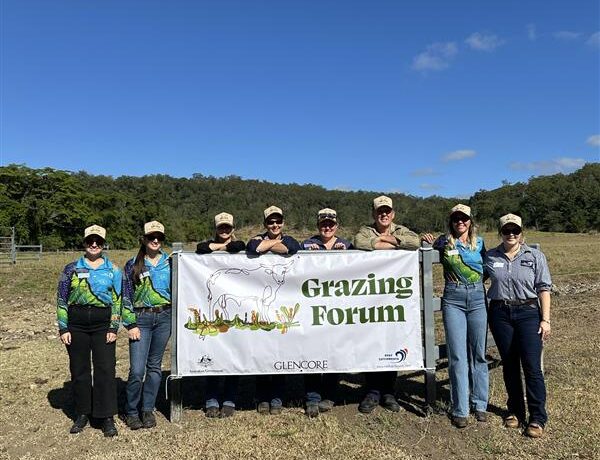
For the first time in its 12-year history, the Reef Catchments Grazing Forum and Field Day were held in the Whitsundays – and it was a resounding success.

Over two days, graziers, ag professionals and community members came together to share knowledge, explore innovation, and strengthen connections across the region. The event, delivered by Reef Catchments’ Sustainable Agriculture team through funding from the Australian Government and Glencore Coal Australia, highlighted the importance of collaboration, practical learning and community-led sustainable land management in the grazing sector.

Field Day: Innovation Meets Practicality

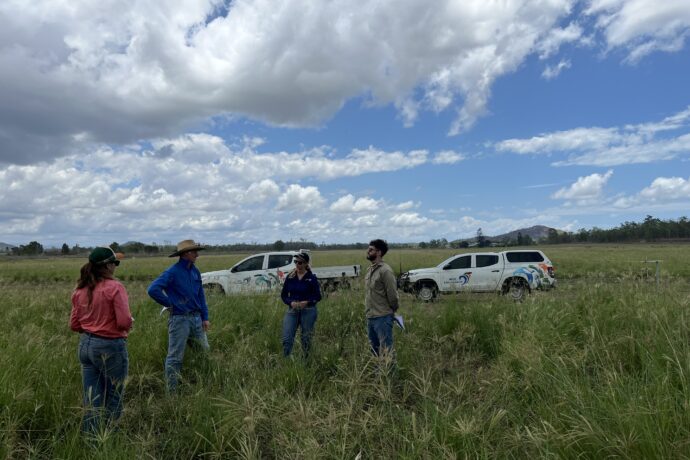
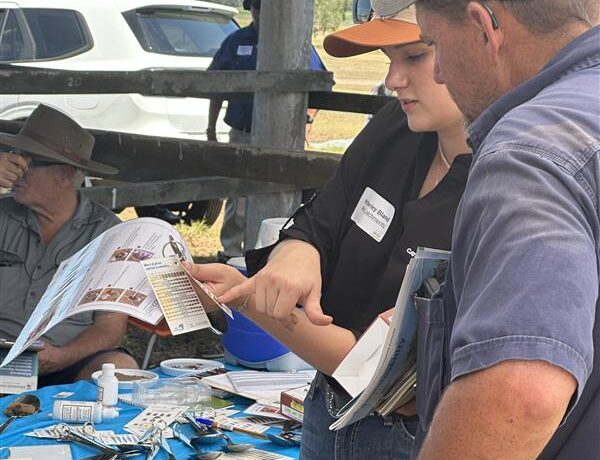
Hosted by generous landholders at Yalboroo, the field day focused on the real-world challenges of converting old cane paddocks into productive grazing pastures. Attendees rotated through hands-on sessions covering weed management, pasture nutrition and soil health, including pH and texture assessments led by Reef Catchments and TNQ Drought Hub.

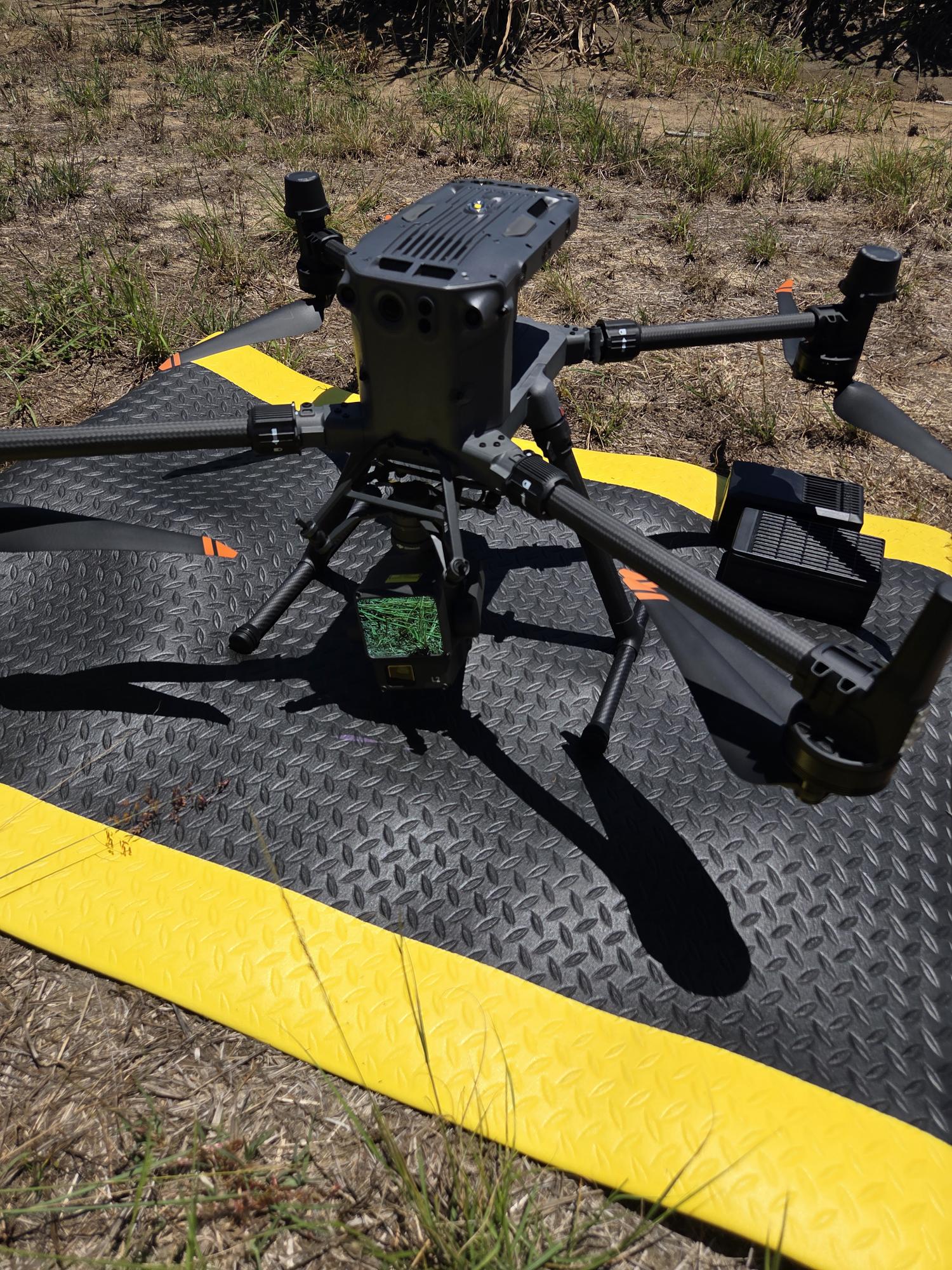
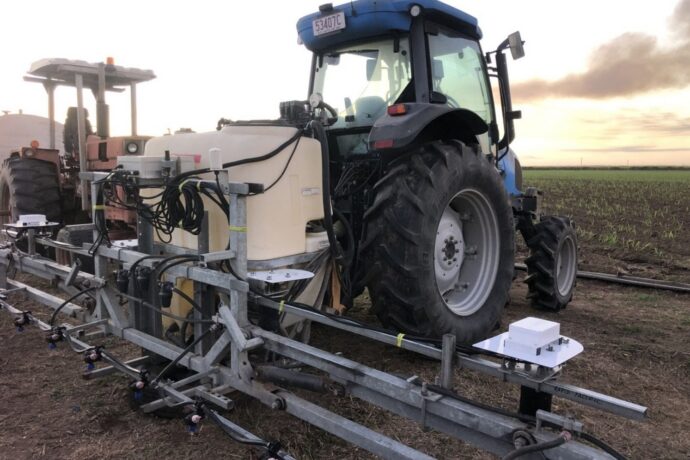
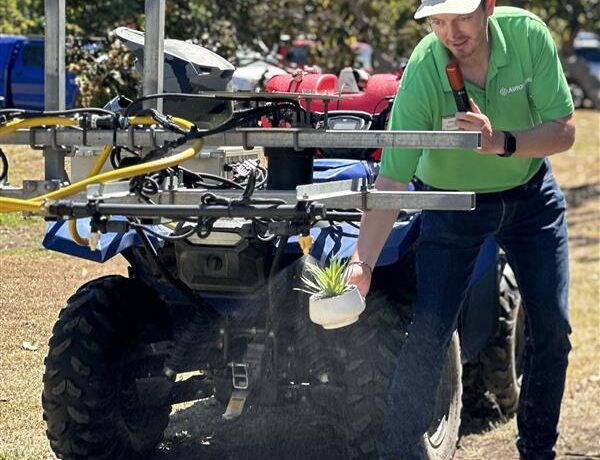
A standout moment was the live demonstration of AutoWeed’s AI drone technology, which is being trialled to support more targeted and efficient weed control. Kevin Moore, Principal Project Officer for Sustainable Agriculture at Reef Catchments, said the interest from landholders was clear.

“AutoWeed is a tool we’re looking at using to reduce pesticide use by targeting specific weeds. That means lower costs for landholders and less runoff into our waterways – a win-win for graziers and the Great Barrier Reef.”

Farmacist Mackay Extension Agronomist Mandy Jeppsen also spoke on the importance of combining weed control with nutrition for successful pasture establishment.

“If graziers can get a handle on both from the start, it reduces ongoing maintenance costs and they will have good pasture establishment up front. A holistic approach combining grazing management, mechanical methods like slashing and nutrition is key.”

The field day was a chance for graziers to connect, share experiences and learn from one another, as well as gain technical learnings.

“This is my 10th Grazing Forum,” said grazier Travis Perry. “It’s great to see how the event has progressed. There’s still a lot of people willing to learn and take the time to come to these events. That’s what makes it worthwhile – it’s been a great event to attend once again.”

Forum: Genetics, Herd Health and Community Connection

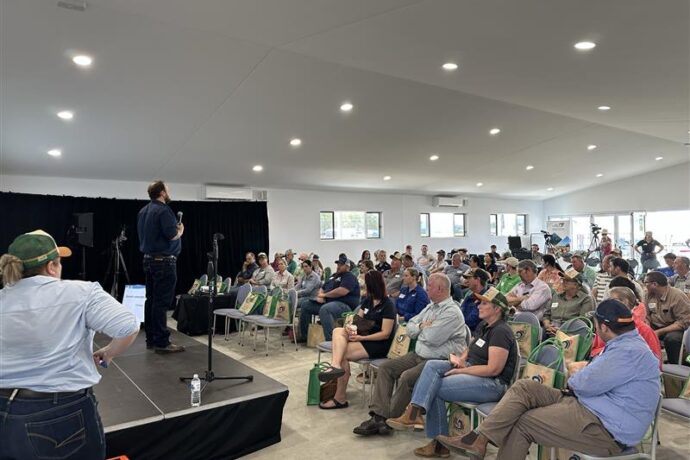
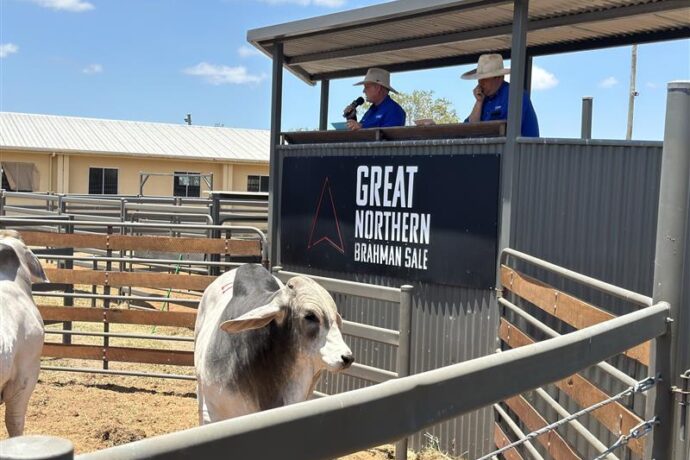
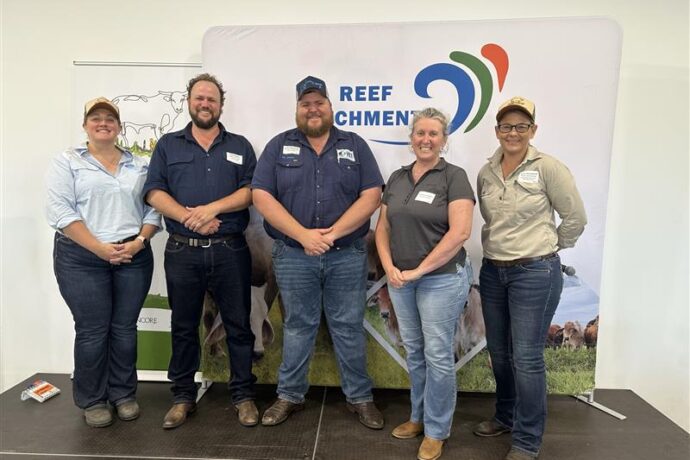
Held at the Proserpine Showgrounds, the Grazing Forum built on the momentum of the field day with a strong focus on cattle management. Topics included genetics, disease prevention and bull selection, with expert insights from Lawson Camm (Cambil Brahmans), James Kent (Great Northern Brahman Sale) and Tim Emry (Department of Primary Industries).

Attendees were treated to a showcase of Brahman bulls and a breakdown of complex topics like EBVs and genetic scoring, helping graziers make informed decisions tailored to their enterprise goals.
“We’ve had Lawson Camm and representatives from the Great Northern Brahman Sale speak down at the Proserpine Showgrounds showring, which was pretty spectacular,” said Reef Catchments Sustainable Agriculture Facilitator, Kellie Harmsworth. “There are quite a few good specimens of Brahman bulls coming through. I’ve really enjoyed the day. It’s been a casual, relaxed atmosphere with great attendance from landholders, sales reps, industry reps and the general community.”

Jason Mansfield from Greater Whitsunday Vet Service also spoke on the importance of herd health, reinforcing the need for proactive management and regular vet engagement.

Mandy Jeppsen reflected on the broader impact of the event, “These sorts of events are rare in this region, especially with grazing not always seen as a priority in cane-growing areas. There aren’t many places where graziers can meet suppliers and service providers, hear from guest speakers, and learn from each other all in one spot. It’s a great way to build community – the more people you connect with, the more ideas you can share, and everyone benefits from that.”

The success of this year’s event highlights the growing appetite for practical, locally relevant grazing support in the Mackay Whitsunday region. Reef Catchments is proud to support graziers through events like these, which foster innovation, collaboration, resilience and community.

For more information, visit www.reefcatchments.com.au/projects/sustainable-agriculture-facilitaor-saf.

Annual Report RCL 2024 – 2025

jamie · Oct 29, 2025 · Leave a Comment

Reef Catchments Annual Report for the 2024-2025 Financial Year.

This year marks a new chapter for Reef Catchments. With over 22 years of experience in Natural Resource Management, our team continues to grow and evolve.

In this report, you’ll find highlights from across the region – from new projects to future-focused planning. Hear from our Chair and CEO, explore project stories, and meet the people behind the work.

We’re proud to be turning knowledge into action and shaping the future of NRM in our region.

With thanks to our funding providers, stakeholders and local community.

View annual report

From the mountains to the sea – Resilient ecosystems, engaged community.

Reef Catchments is your Natural Resource Management (NRM) group for the Mackay Whitsunday Isaac region.

Reef Catchments logo.

Seaforth Locals Step Up to Restore Vital Seagrass Meadows

jamie · Oct 28, 2025 · Leave a Comment

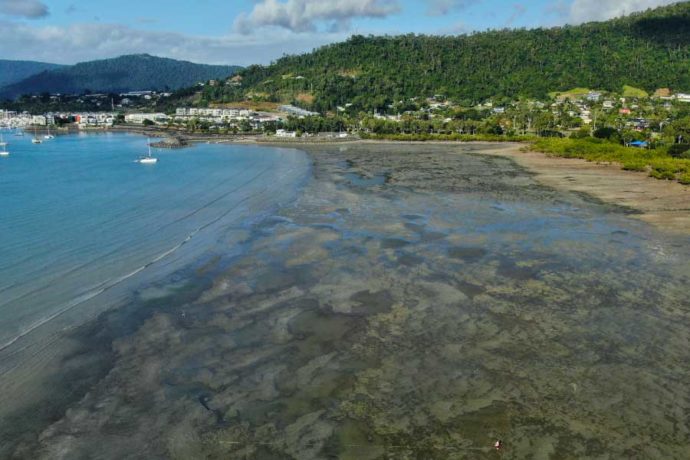
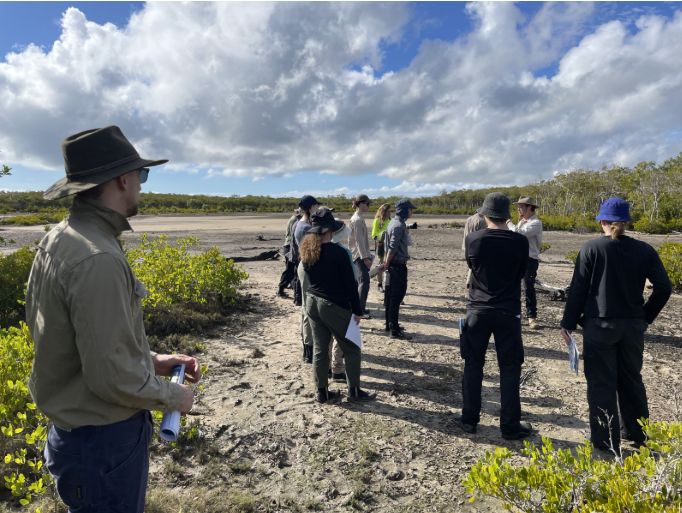
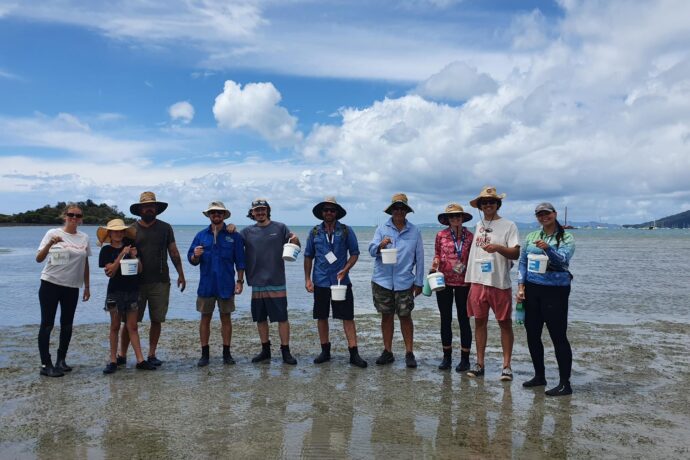
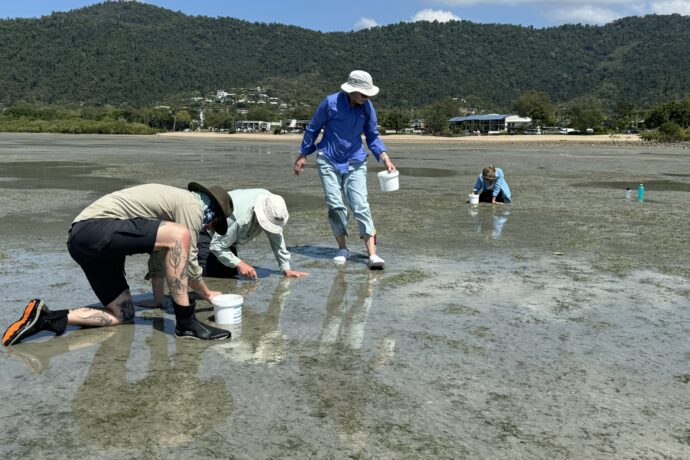
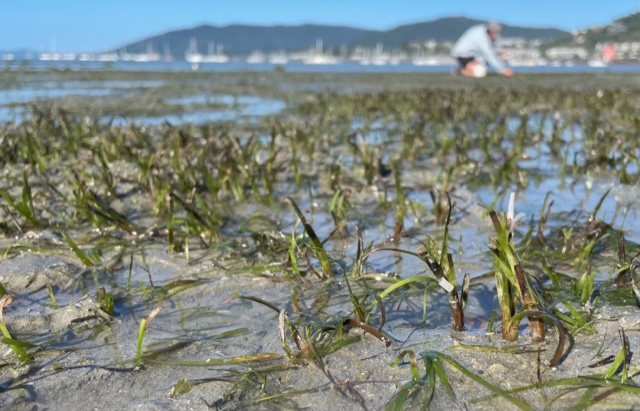
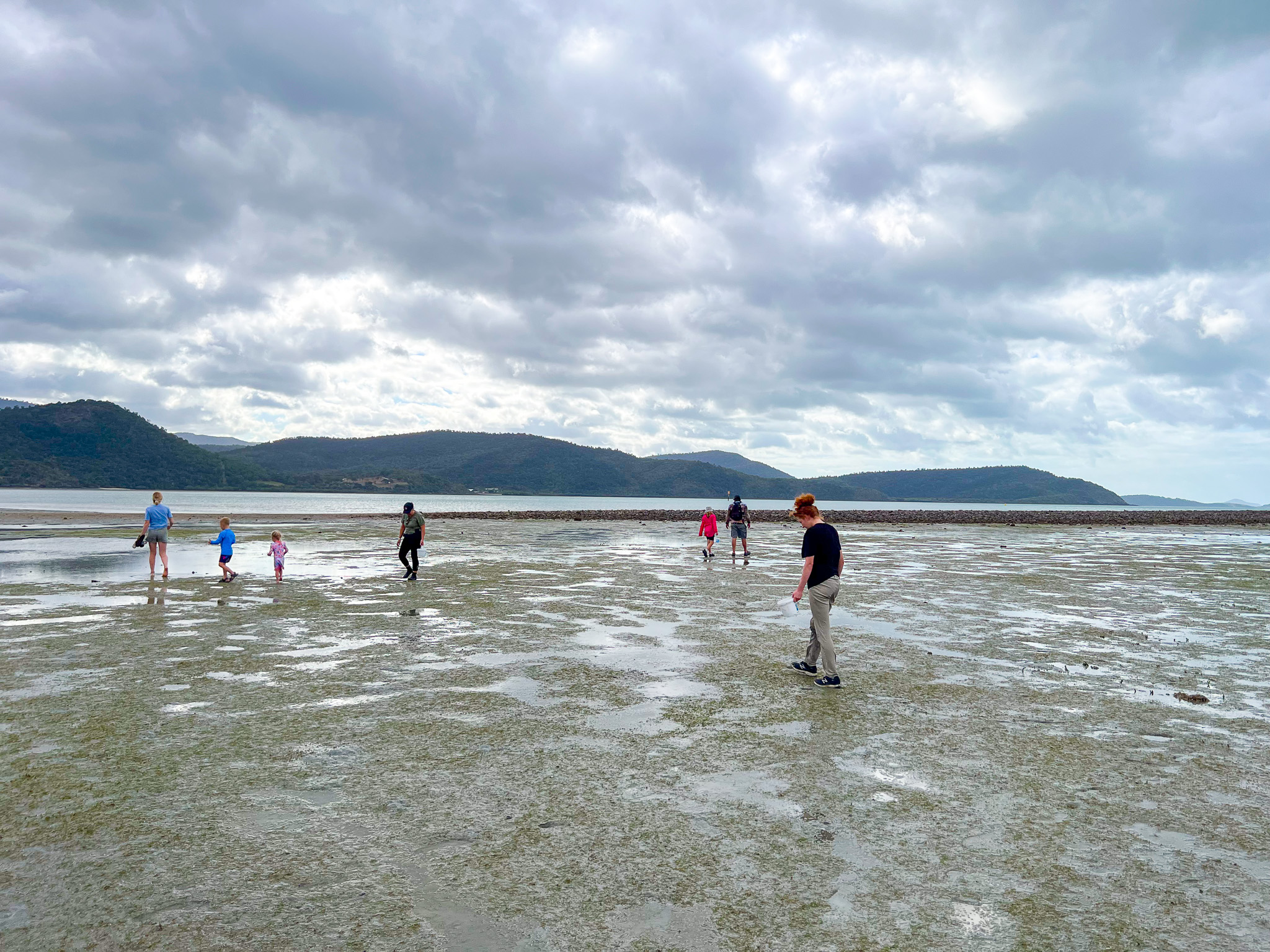
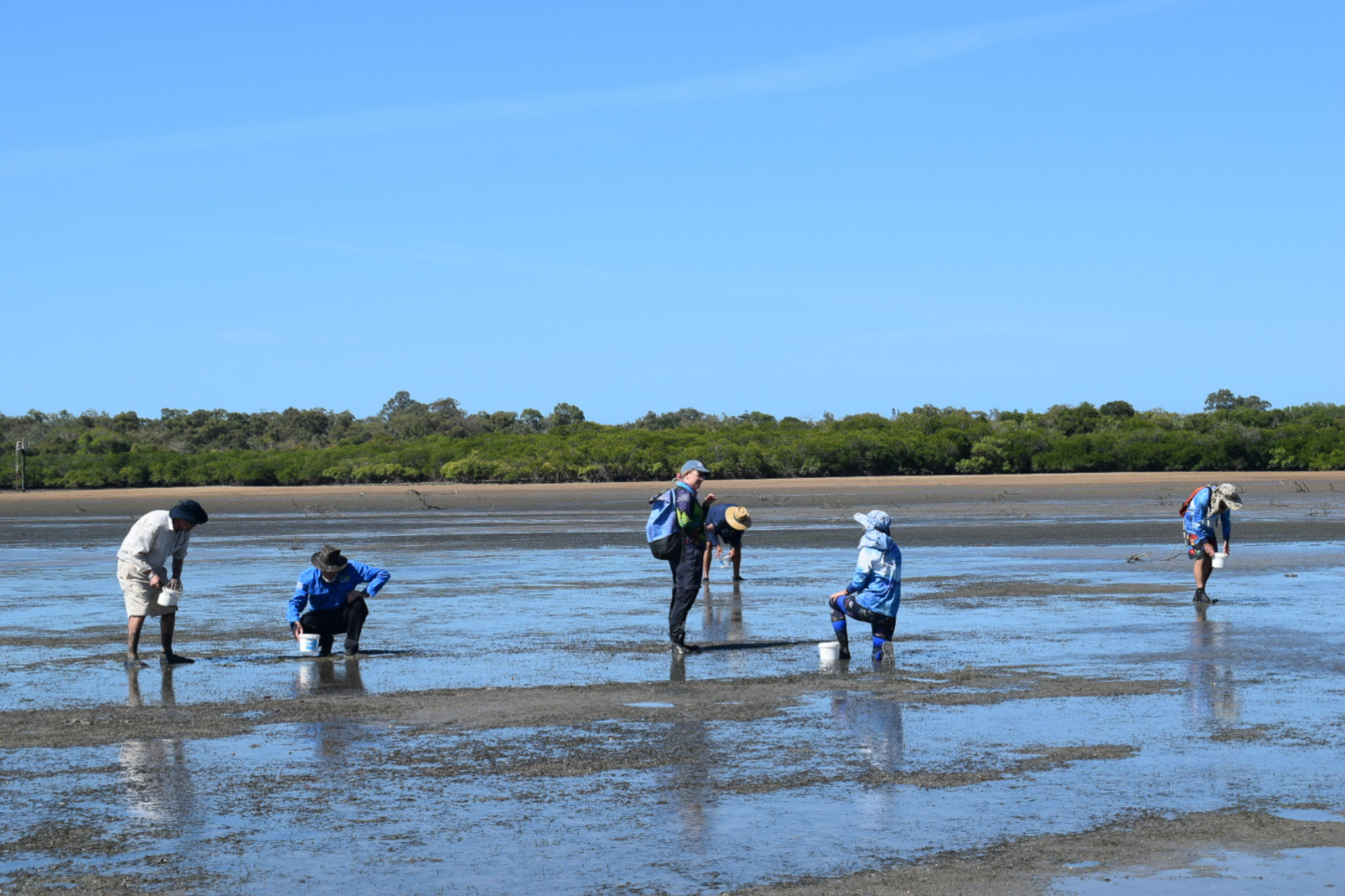
At low tide on the Seaforth coast, volunteers gathered with buckets, boots, and a shared ambition to restore the seagrass meadows that support the health of the Great Barrier Reef. Lead by Reef Catchments in partnership with Central Queensland University and OzFish Unlimited, the two successful volunteer events at Seaforth marked a major milestone in the (Sea)Grassroots Community Restoration Project; a three-year initiative aimed at improving the health and resilience of seagrass meadows in the Great Barrier Reef.

Seagrass meadows are powerful ecosystems; the unsung heroes of the Great Barrier Reef. They stabilise sediment, filter coastal waters, store carbon, and provide food and shelter for turtles, dugongs and many species of juvenile fish. Unfortunately, seagrass meadows are under pressure from a changing climate, poor water quality and coastal development. Restoration of degraded meadows is essential, and community involvement is key.

Article content
Photo courtesy of Ozfish Unlimited. Pictured (left to right): Local volunteers, Dr Geoff Collins – OzFish Unlimited, Bronwyn Tonga – Yuwi Ranger, Shawn Morris – Yuwi Ranger, Alexandra Williams – Reef Catchments Great Barrier Reef Project Officer.

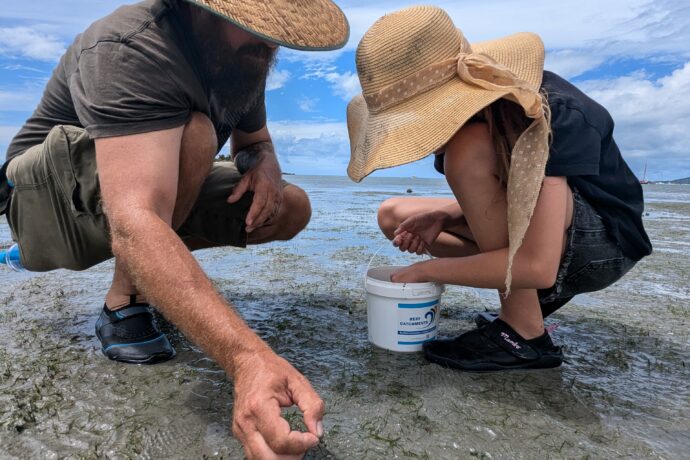
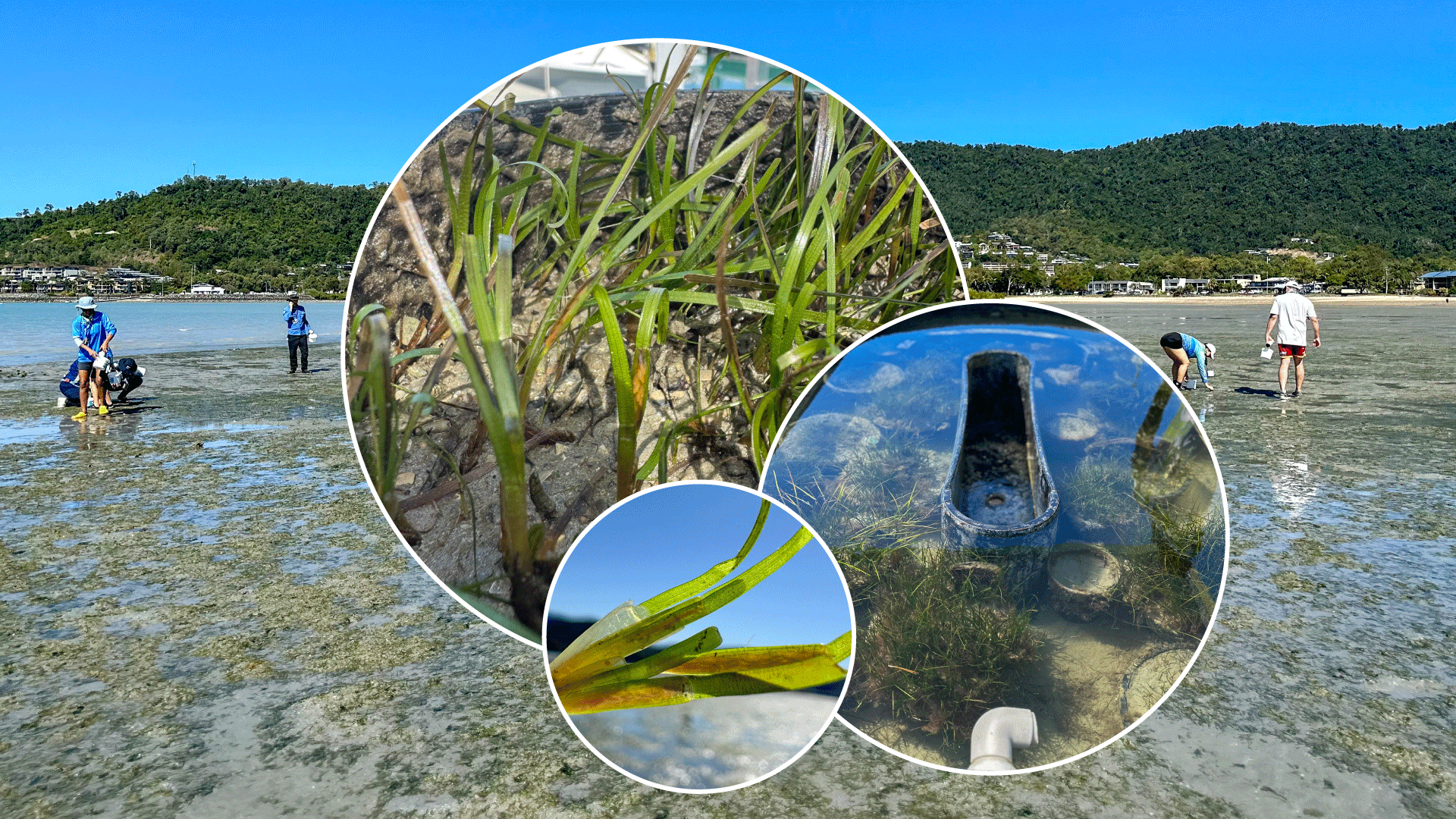
Seaforth volunteers worked alongside marine scientists and Rangers from the Yuwi Aboriginal Corporation to collect seagrass flowers and cores of a key local seagrass species, Zostera muelleri. Zostera, also known as “Eelgrass,” plays a critical role in reef resilience yet remains vulnerable to various pressures.

Alexandra Williams, Reef Catchments Project Officer, explained the importance of the work:

“Every seagrass flower and core collected aims to bolster the effectiveness of future restoration efforts. This is real science, which the community is a significant part of. It’s great to see the Seaforth community show such a keen interest into how they can help take care of these critical ecosystems.”

The Yuwi Rangers joined the events, bringing cultural knowledge and deep connection to Country. Yuwi Ranger Bron Tonga shared:

“Seagrass is important to our people for physical, spiritual, and cultural reasons. It provides food for the Turtle and Dugongs and is integral to our identity and connection to Country. The Seagrass meadows are vital for the ecosystem’s directly supporting other marine animals. It’s also about the understanding of seasons and cycles to monitor and care for sea meadows.”

This shared respect for seagrass was echoed by Dr Geoff Collins from OzFish Unlimited, who emphasised its role in supporting fish populations and recreational fishing:

“These seagrass meadows play a vital role in supporting the life cycle of the fish we all like to catch. If the seagrass meadows suffer, that has a direct impact on recreational fishing. That’s why volunteer events like these are so important – they give the local community a real, hands-on opportunity to take care of fish habitat.”

Seagrass restoration is local action with global impact. These meadows strengthen the reef’s ability to recover from severe weather, support thriving fish populations and keep coastal waters rich with life. For anyone who values clean oceans, healthy marine life and resilient reef systems, this is where meaningful change begins – on the shoreline, with your hands in the mud.

To learn more or register for future events, visit www.reefcatchments.com/events.

This project received grant funding from the Australian Government’s Protecting the Great Barrier Reef – Community Stewardship Program – an Australian Government initiative and delivered by Reef Catchments, in partnership with Central Queensland University and OzFish Unlimited.

Strategic Streambank Restoration: Building Resilience Across the Mackay Whitsunday Isaac Region

jamie · Oct 21, 2025 · Leave a Comment

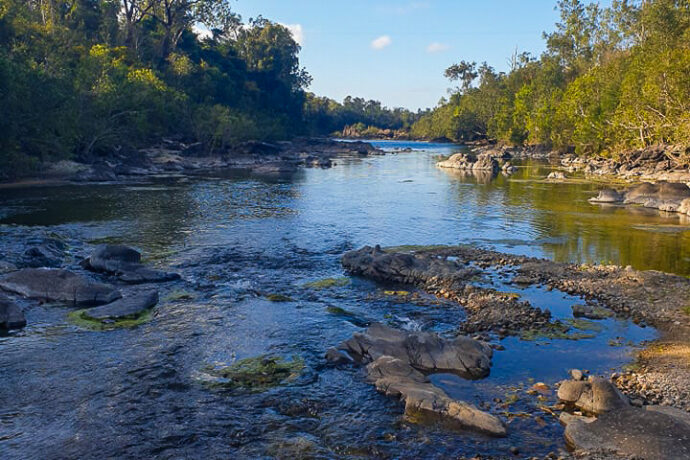
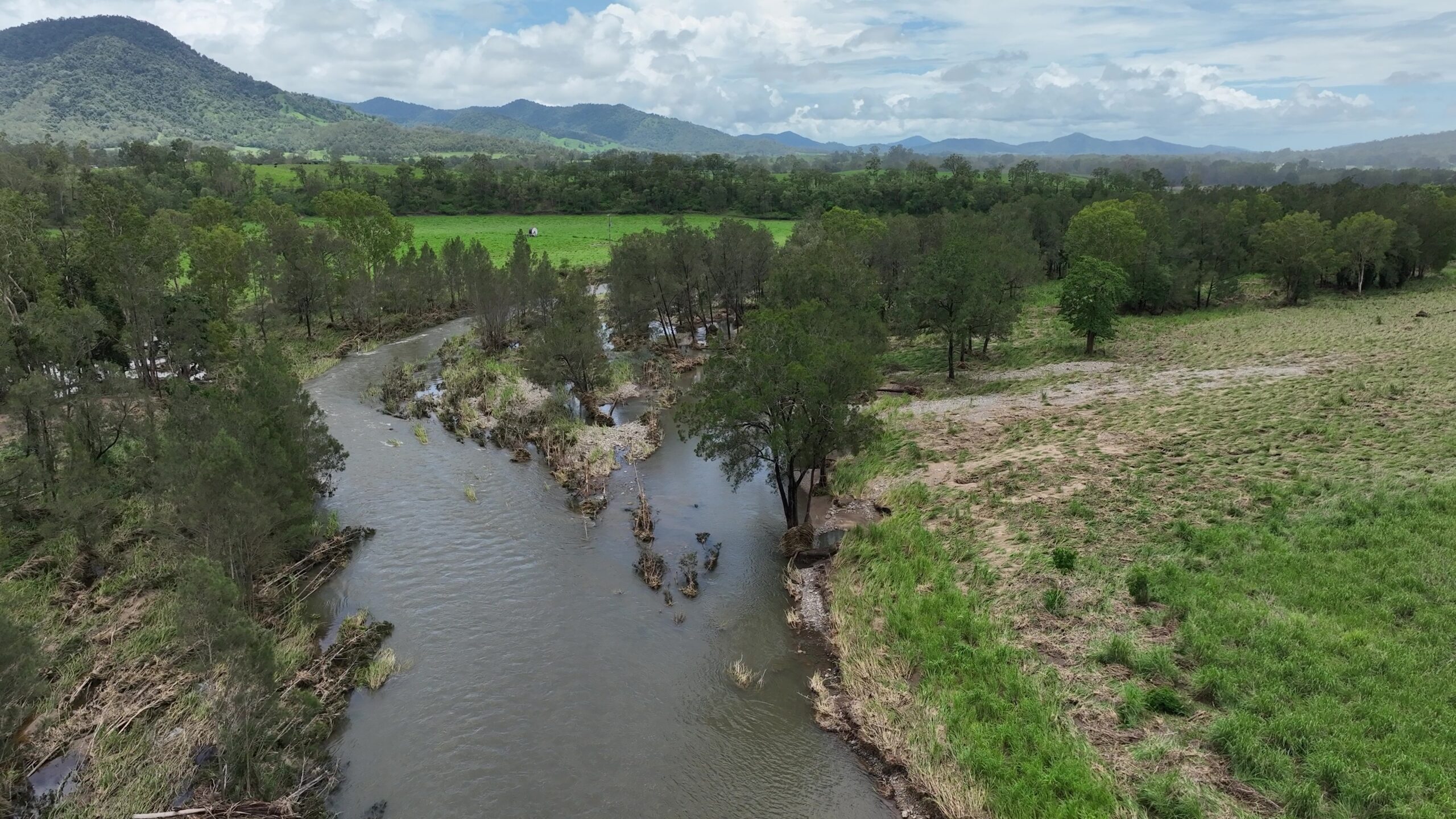
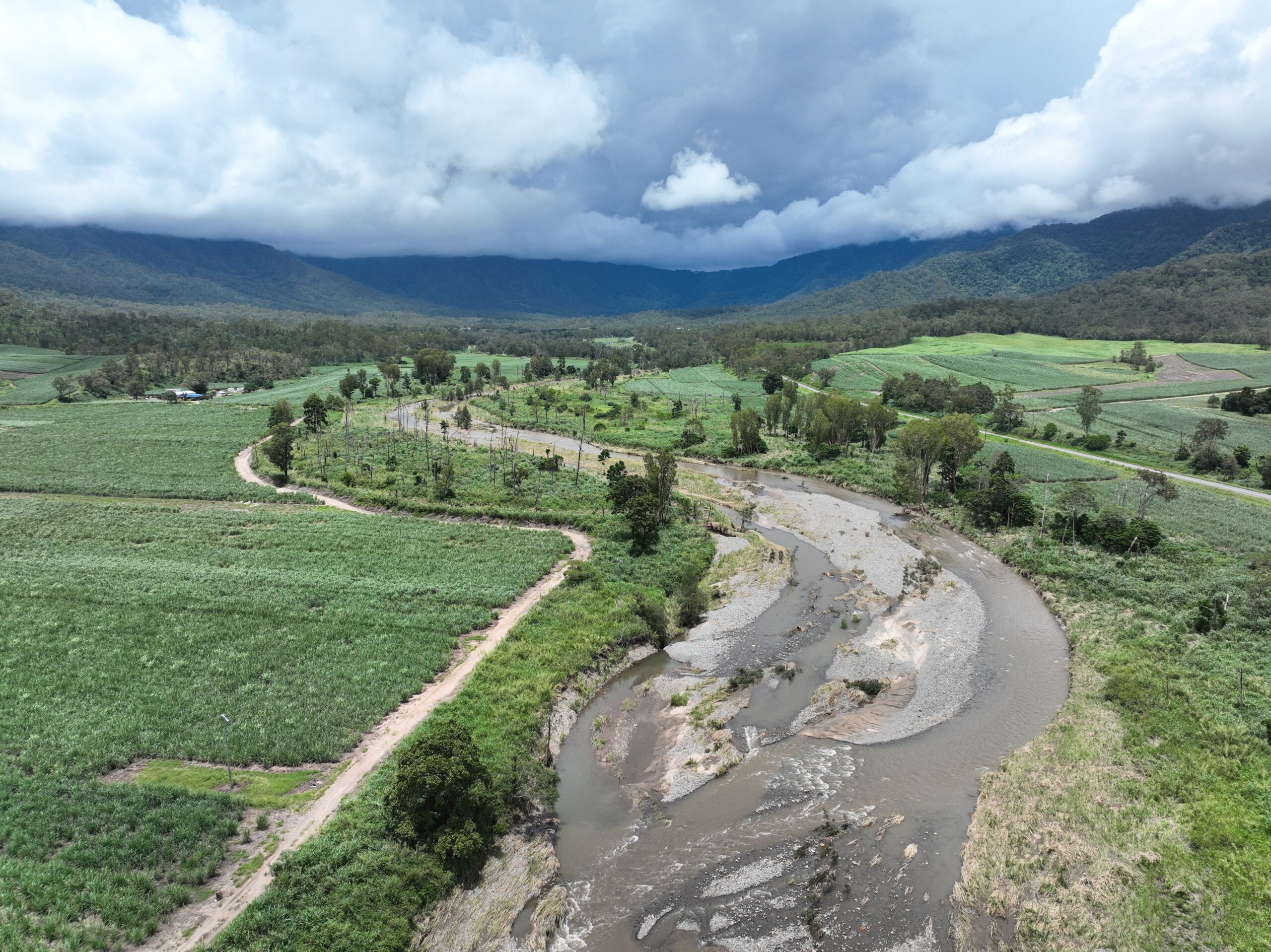
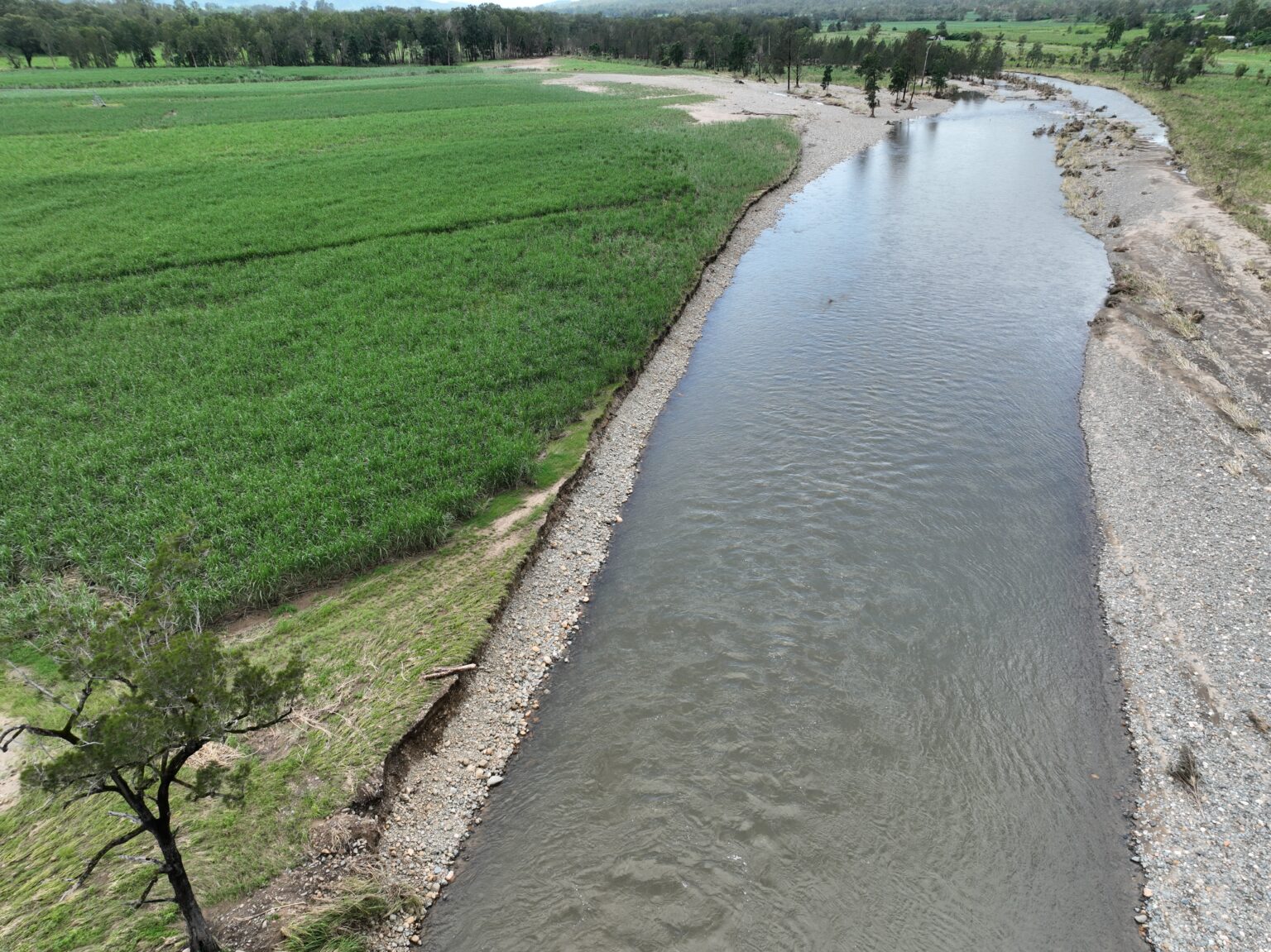
Real change happens when projects are guided by data, scaled to the landscape, and delivered with the community at heart. The work in the Mackay Whitsunday Isaac (MWI) region focuses on restoring streambanks and river systems, improving water quality, and building resilience in the landscapes that flow to the Great Barrier Reef.

A Landscape-Scale Approach 

The MWI region is made up of small catchments each flowing into the Great Barrier Reef. To manage these systems, Reef Catchments adopt a whole-of-system approach, integrating science, planning, and on-the-ground action to achieve lasting ecological outcomes. 

Through regional streambank and geomorphological studies, we identify erosion risks, system stability, and restoration opportunities. This information helps us design projects that align with funder priorities, while continuing to drive our long-term vision for healthier waterways, stronger ecosystems, and resilient communities. 

From Data to Action 

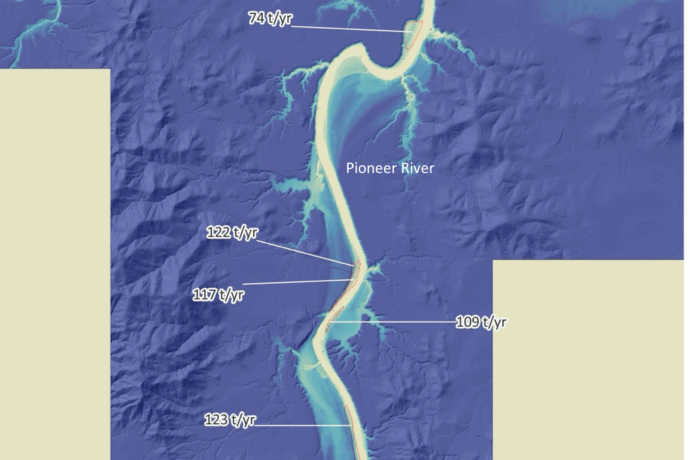
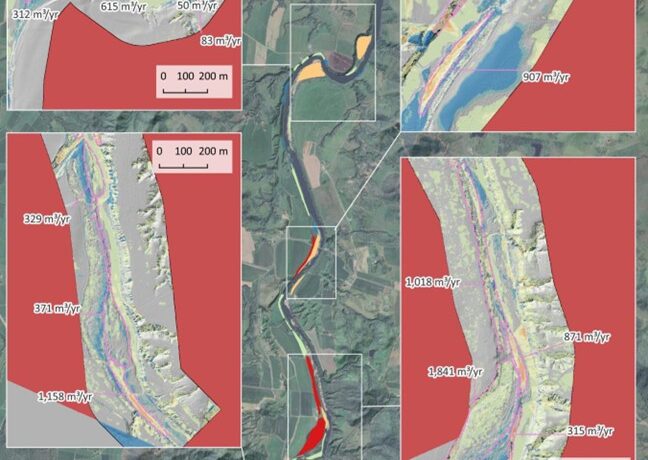
Over the past decade, a suite of assessments, including stream type analysis, reach summaries, erosion prioritisation studies, and hot spot mapping, has guided our work. These studies not only highlight where interventions are needed but also ensure investments are targeted, efficient, and backed by evidence. By layering this knowledge and consistently applying it to funding applications, Reef Catchments has been able to scale up restoration efforts across the region. Projects such as the Landscape Repair Program continue to build on these foundations, enabling our largest restoration initiatives to date. 

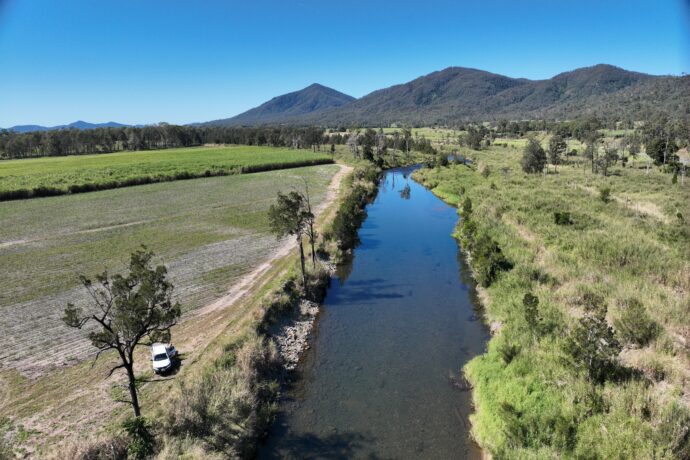
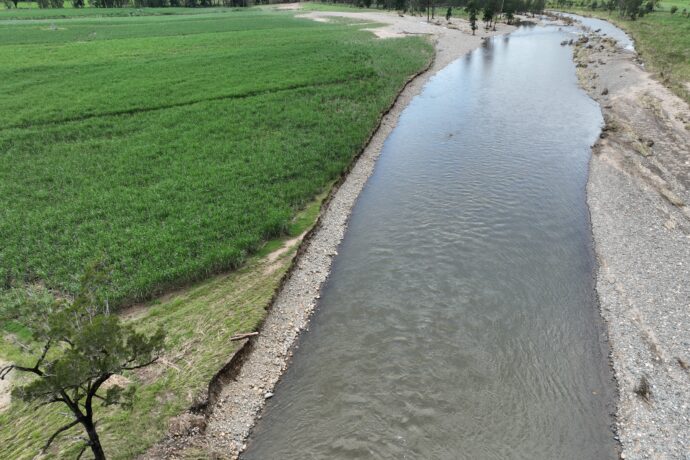
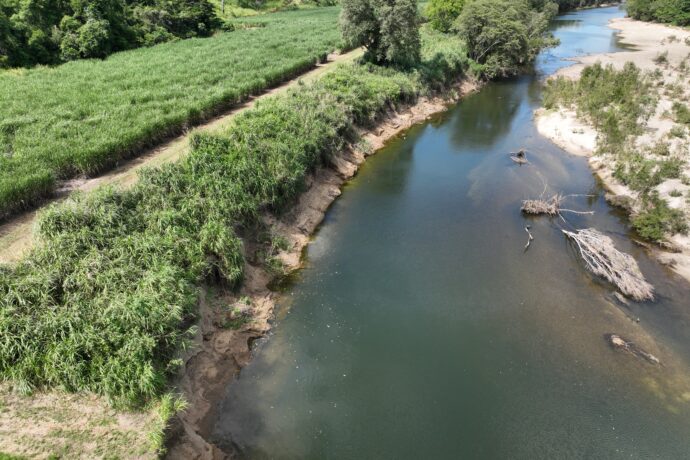
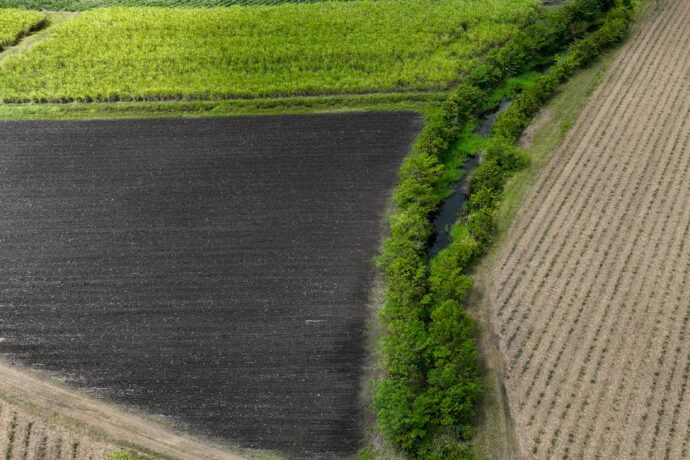
Image 1: Reach summary DEM of difference (DEMoD) of the Pioneer River
Image 2: Identified hotspot erosion for the Pioneer River reach


Highlight Projects and Achievements 

With support from government funding and partnerships, Reef Catchments has delivered multiple large-scale projects that are transforming riparian landscapes. A few standouts include: 

  • Reef Trust 4 – 37 project sites, 70,000+ trees planted, 25 ha of riparian corridors restored, and more than 45 ha of land protected by fencing. 
  • Reef Trust 7 – Protected 5.84 km of streambank, revegetated 2.21 ha, engaged over 90 landholders, and saved more than 2,800 tonnes of fine sediment each year. 
  • Monsoon Trough Recovery (Stages 1 & 2) – Together, these projects established over 12 engineered sites and planted more than 26,000 trees, reducing more than 10,000 tonnes of fine sediment annually. 
  • Reef Assist 2.0 – Engineered streambank and gully works, with 4,500 local native plants added, cutting sediment loads by over 1,000 tonnes per year. 
  • Preparing Australian Communities – Nature-Based Solutions – Engaged 144 landholders, installed 229 km of fencing, protected 152 km of streambank, and improved over 450 ha of riparian land. 

Outcomes 

Thanks to this collective effort, the region has already achieved: 

  • ~25,000 tonnes per year of fine sediment reduction at the coast. 
  • 125,000+ native riparian plants established. 
  • Over 230 landholders and properties engaged in sustainable land management. 

These achievements not only improve local ecosystems but also safeguard the Great Barrier Reef by reducing sediment and nutrient runoff. 

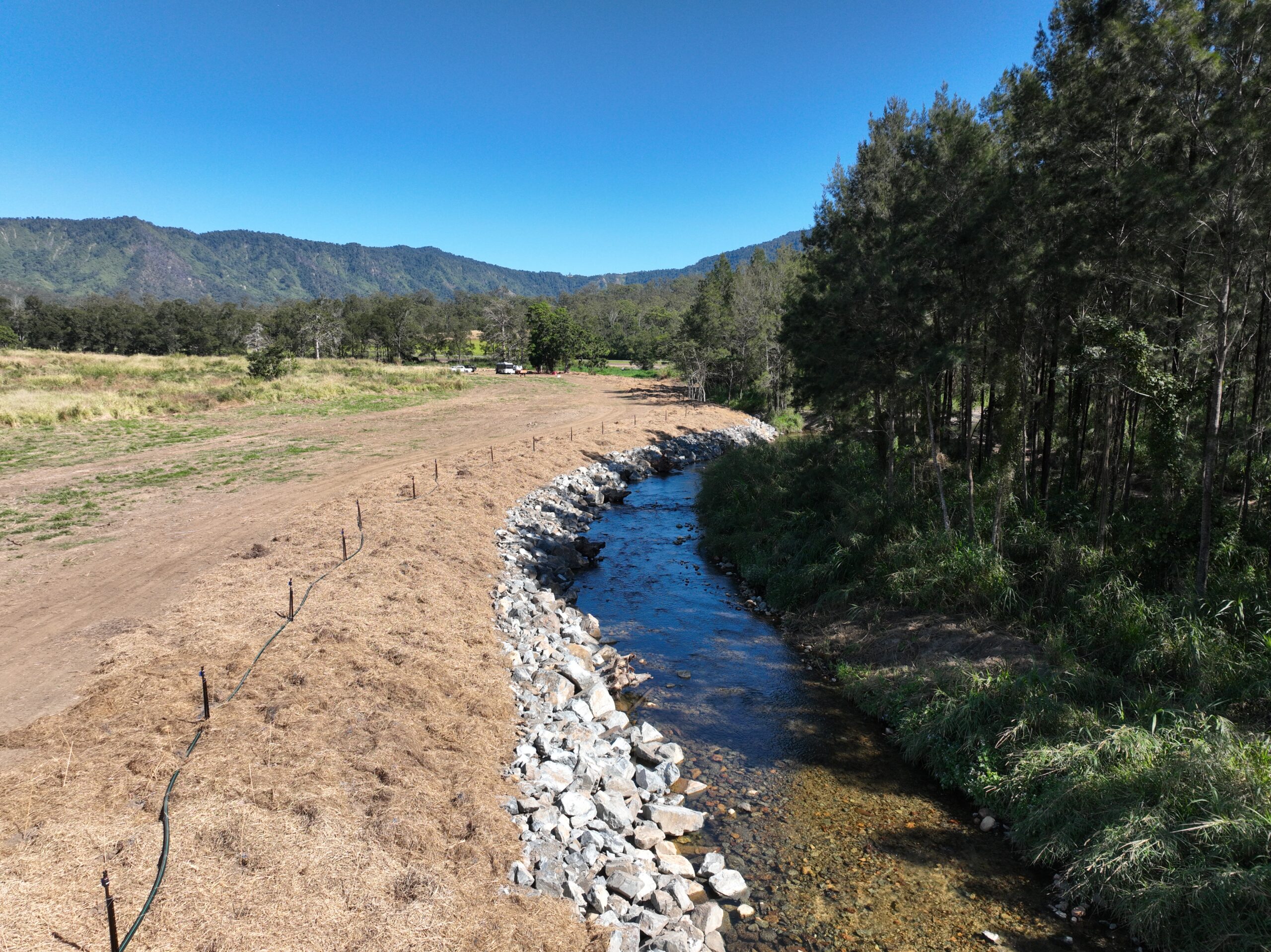
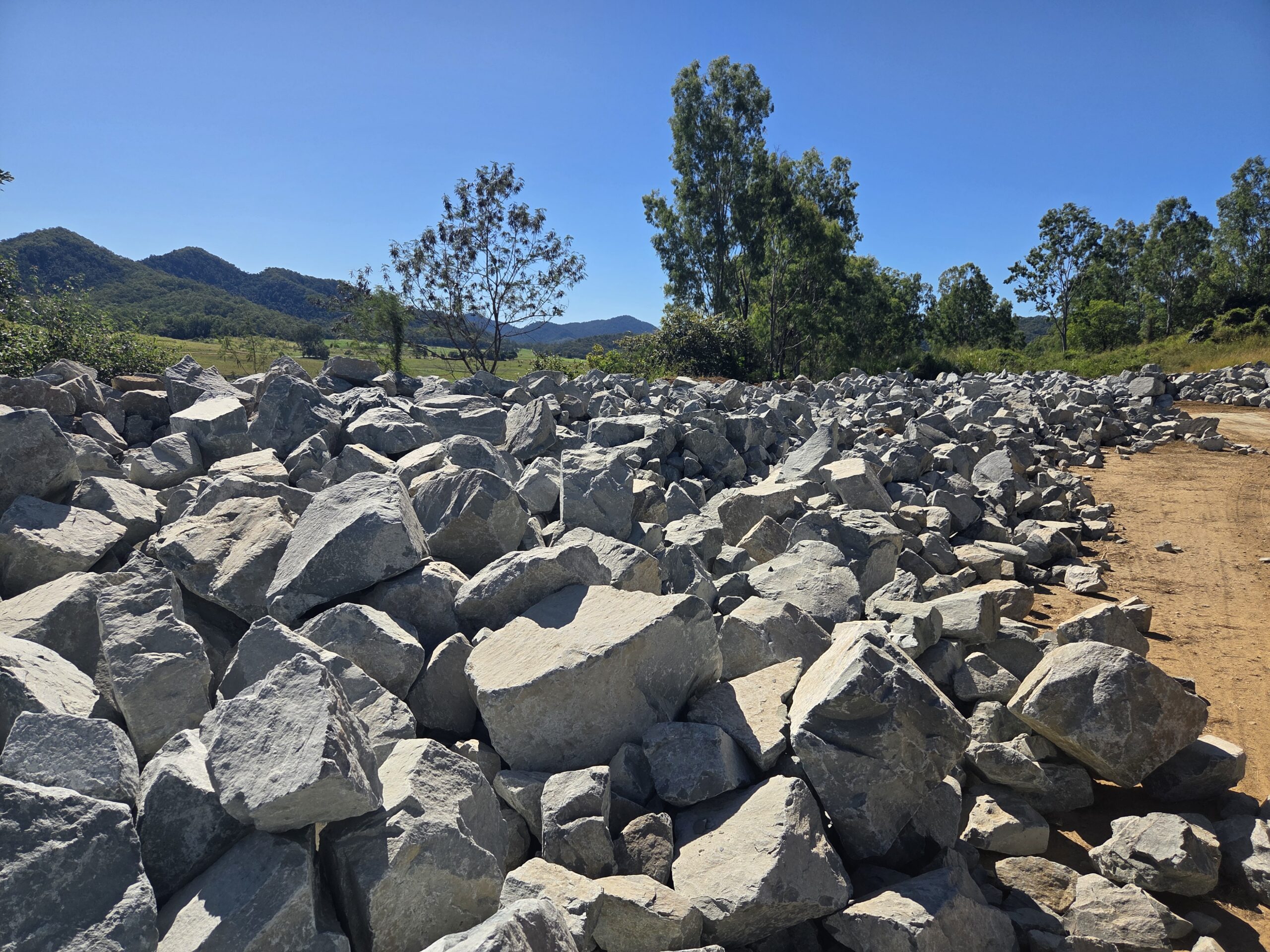
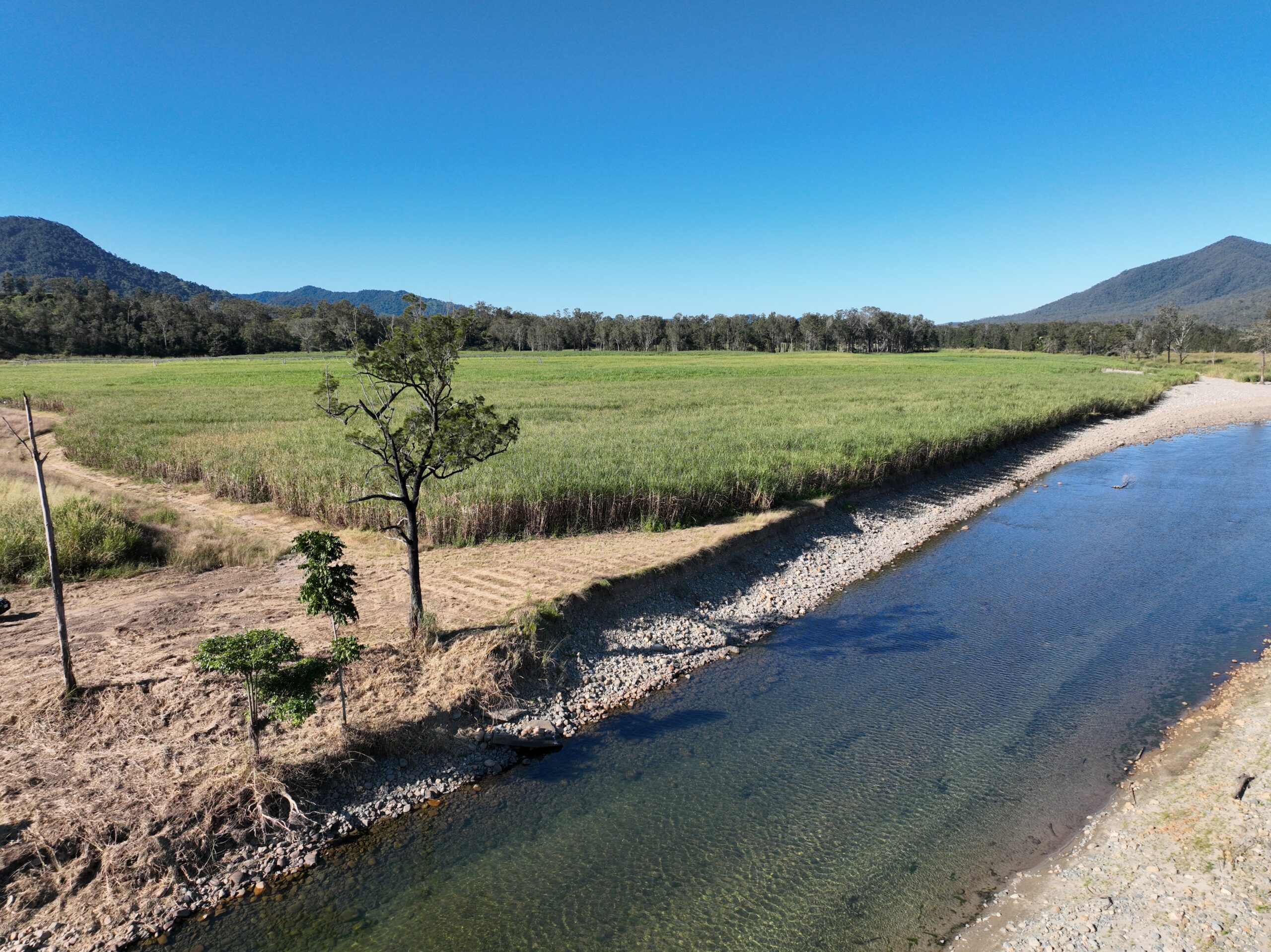
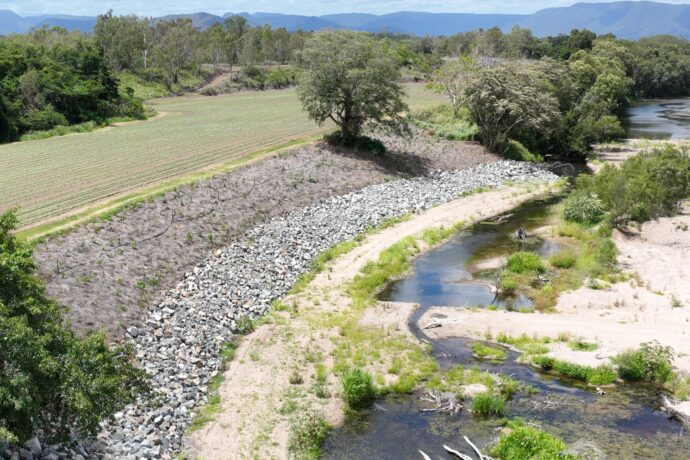
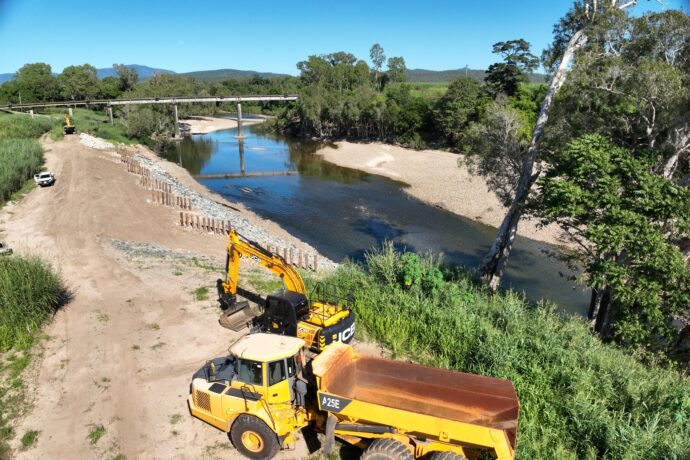
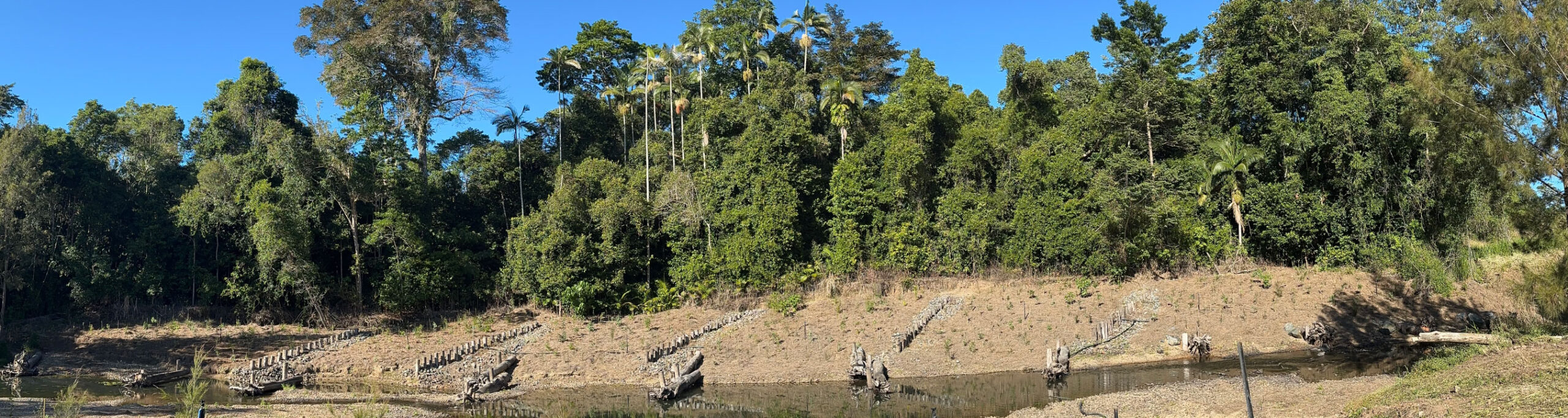
Image 3: Construction of an O’Connell streambank restoration project.

Looking Ahead 

Our commitment is long-term. By combining local knowledge, stewardship, and science-backed interventions, Reef Catchments continues to drive meaningful landscape change. These projects are building resilience, not only for our waterways and catchments but also for the communities and industries that depend on them. 


The Crust Conundrum: How Sandwich Edges Became a Waste Problem and What We Can Do About It

jamie · Oct 9, 2025 · Leave a Comment

It started with a simple question: What’s really going into our school bins?

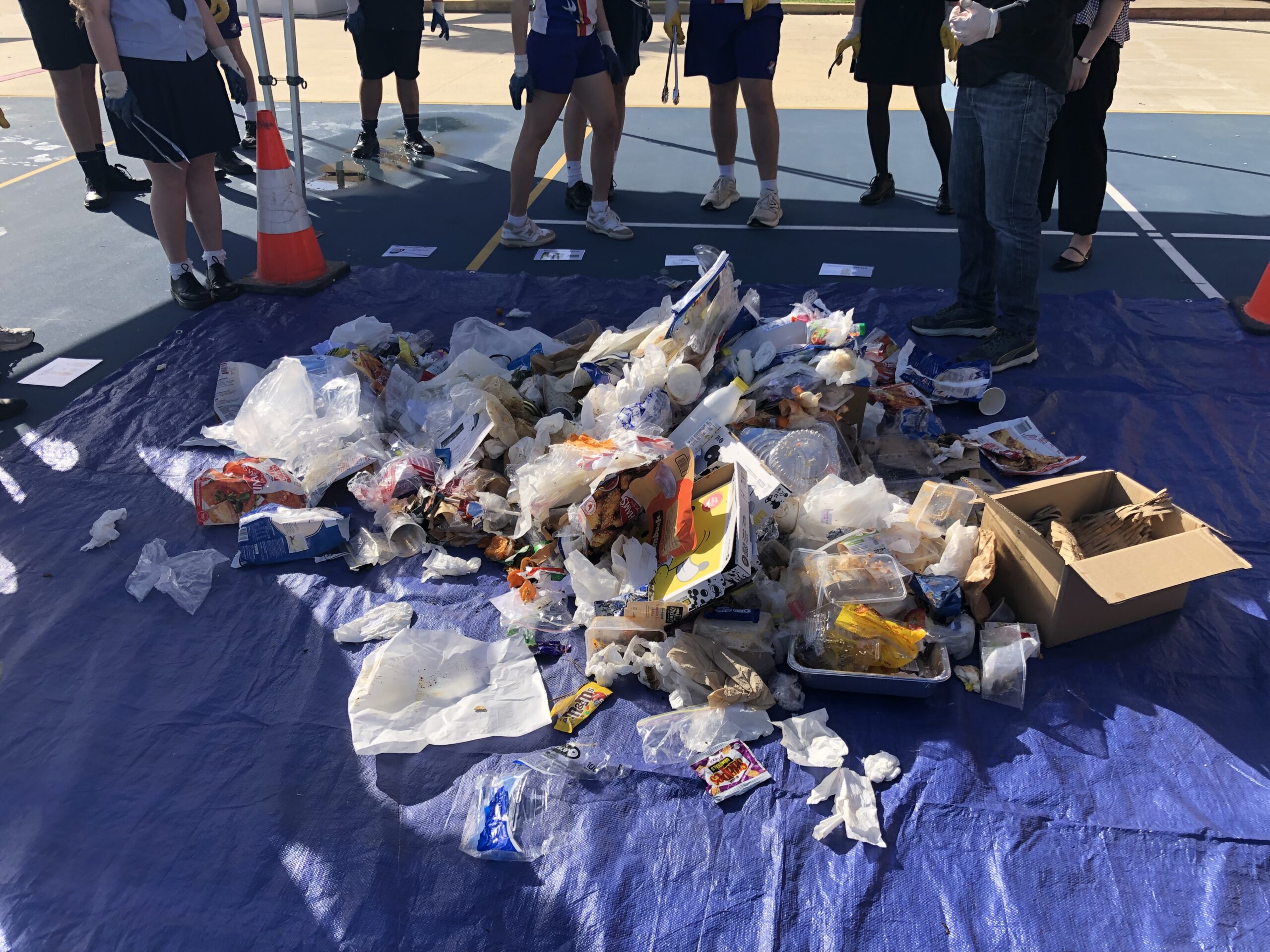
As part of the Mackay Whitsunday Isaac School Waste Minimisation Project, Reef Catchments conducted rubbish audits at  schools across the region. We expected to find the normal culprits; plastic food wrappers, juice boxes, maybe the odd broken pencil. But one item kept showing up again and again – uneaten sandwich crusts.

Sandwich crusts are non-compostable, so when they go uneaten, they end up in landfill, contributing towards food waste and greenhouse gas emissions. The answer to preventing this food waste is simple – eat your crusts!

Crusts. The humble edge of the sandwich. Not spoiled, not inedible, but somehow always left behind. And while it might seem like a small thing, those crusts told a bigger story about food waste, habits, and how we can help our kids make more sustainable choices.

If your child’s lunchbox often comes home with crusts untouched, you’re not alone. Kids tend to reject crusts because they’re chewier, darker, and look different from the soft middle. Over time, “I don’t eat crusts” can become a habit, especially if crusts are routinely cut off at home.

But here’s the twist: crusts aren’t just incredibly delicious, they’re also nutritionally powerful!

Crusts form where the bread meets the heat, and that’s where the magic happens. The browning process, known as the Maillard reaction, boosts antioxidant levels in the crust, helping protect the body from illness. These antioxidants act like tiny shields, supporting the immune system in ways the soft centre simply can’t.

Beyond that, crusts contain more dietary fibre, which plays a key role in gut health and brain function. A healthy gut helps kids concentrate, learn, and feel better throughout the day. And because crusts digest more slowly, they provide longer-lasting energy -perfect for busy school days filled with learning and play.

There’s also a physical benefit. Chewing crusts helps strengthen young jaws and teeth, giving kids a natural way to support oral development. And let’s not forget flavour – the crust is where bread gets its richest, toastiest taste!

So how can parents help shift the crust conversation at home?

Start by making crusts part of the fun. Cutting sandwiches into playful shapes can make crusts less noticeable; while toasting or grilling adds flavour and crunch. Using fillings that reach the edge ensures every bite is satisfying. And perhaps most importantly, modelling crust-eating with enthusiasm can go a long way, as kids often mirror what they see.

If crusts still aren’t a hit, try serving them with dips like hummus or guacamole to make them more appealing. If they’re not going in the lunchbox, instead of throwing them out, save them for cooking. Crusts make excellent breadcrumbs, croutons, or toasties, keeping them out of landfill and giving them a second (yummy) life.

Encouraging kids to eat their crusts isn’t just about nutrition. It’s about respecting food, reducing waste, and building a culture of sustainability from the lunchbox up. Every crust eaten is one less item in landfill, and one step closer to a future where food is valued, not wasted.

Better Practice Management Improves Farm Efficiency

jamie · Sep 17, 2025 · Leave a Comment

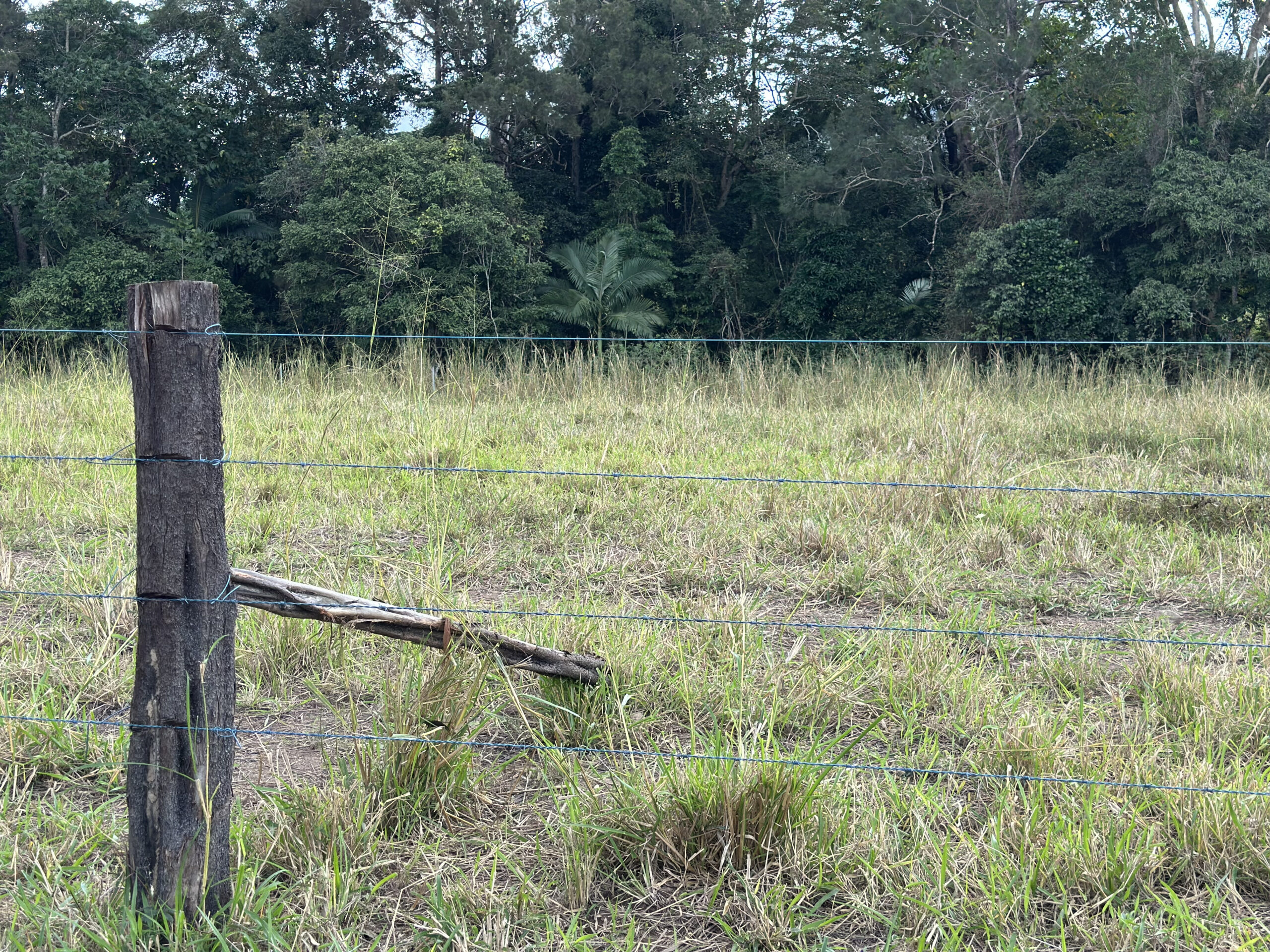
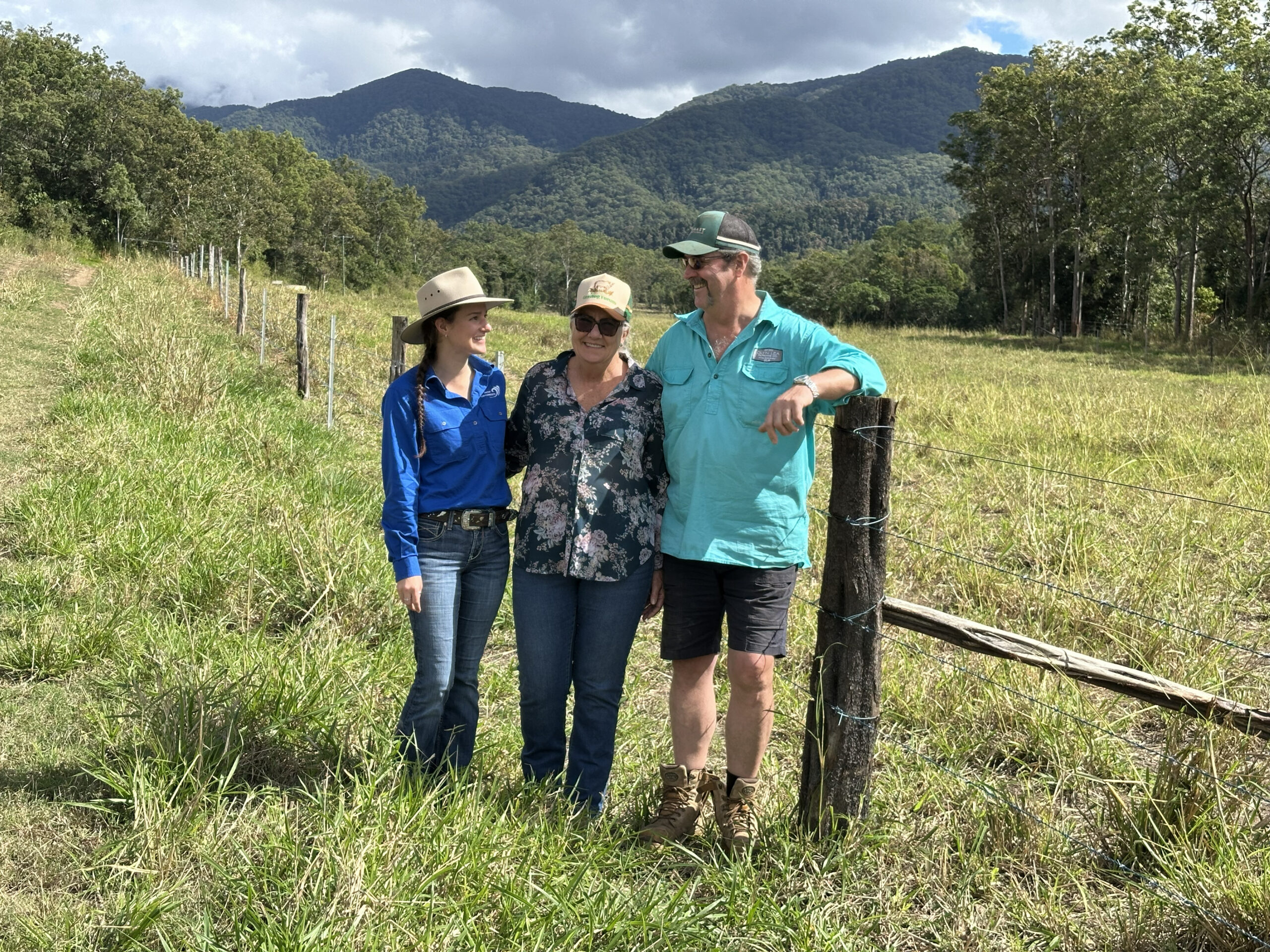
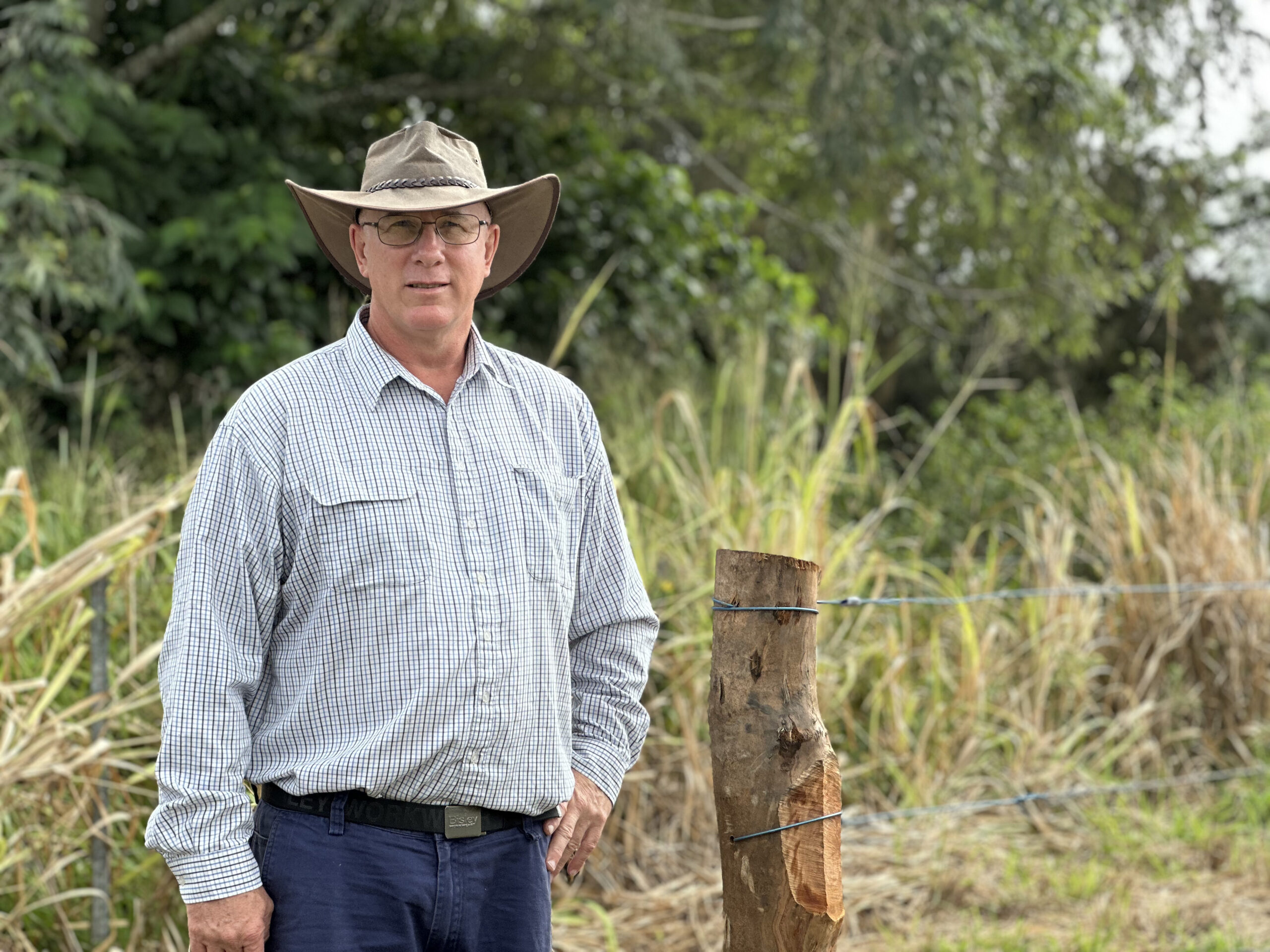
Landholder standing in front of a wire fence

Landholder: Ross Bailey

Project: Continuing the path to nature-based solutions

Location: Sarina

Area: 265 acres of grazing land

A tour of Ross and Angela Bailey’s property quickly revealed the results of years of care and improvement. With pride, Ross pointed out strategic improvements that have strengthened the land, supported wildlife, and boosted the success of his cattle operation. From erosion control to wildlife-friendly fencing, his commitment to sustainable property management is evident in every detail, each decision made with the long-term health of the landscape in mind. 


Background: From Cane to Cattle, with a Conservation Mindset 

The property was once an active cane farm before being transitioned to grazing land. Since purchasing it, Ross has been dedicated to continual improvement. He’s tackled significant weed control, including the clearing of lantana, which not only improves pasture but benefits koala habitat as well. 

He has also undertaken pasture renovation and refined fencing layouts to balance production with environmental care. 


The Challenge: Fragile Streambanks and Erosion from Cattle Access 

Ross Bailey’s property, once a sugarcane farm, presented unique challenges when converted to a cattle operation. The legacy of cane farming left fences placed in gullies, areas once used to allow harvesters and haulers to turn around, which were now high-traffic zones for cattle.  

Already fragile, these gullies became increasingly eroded due to repeated cattle movement, causing the loss of vegetation and sediment run-off into nearby waterways. Without the stabilising presence of vegetation, streambanks were left vulnerable.  

Cattle access to the creek further exacerbated the problem, leading to degradation of both soil health and water quality. 

The Solution: A Holistic and Strategic Fencing Approach 

Through a recent grant-supported fencing project, Continuing the Path to Regional Resilience, Ross installed 2.4 km of new fencing to restrict cattle access to the creek and protect the vulnerable banks.  

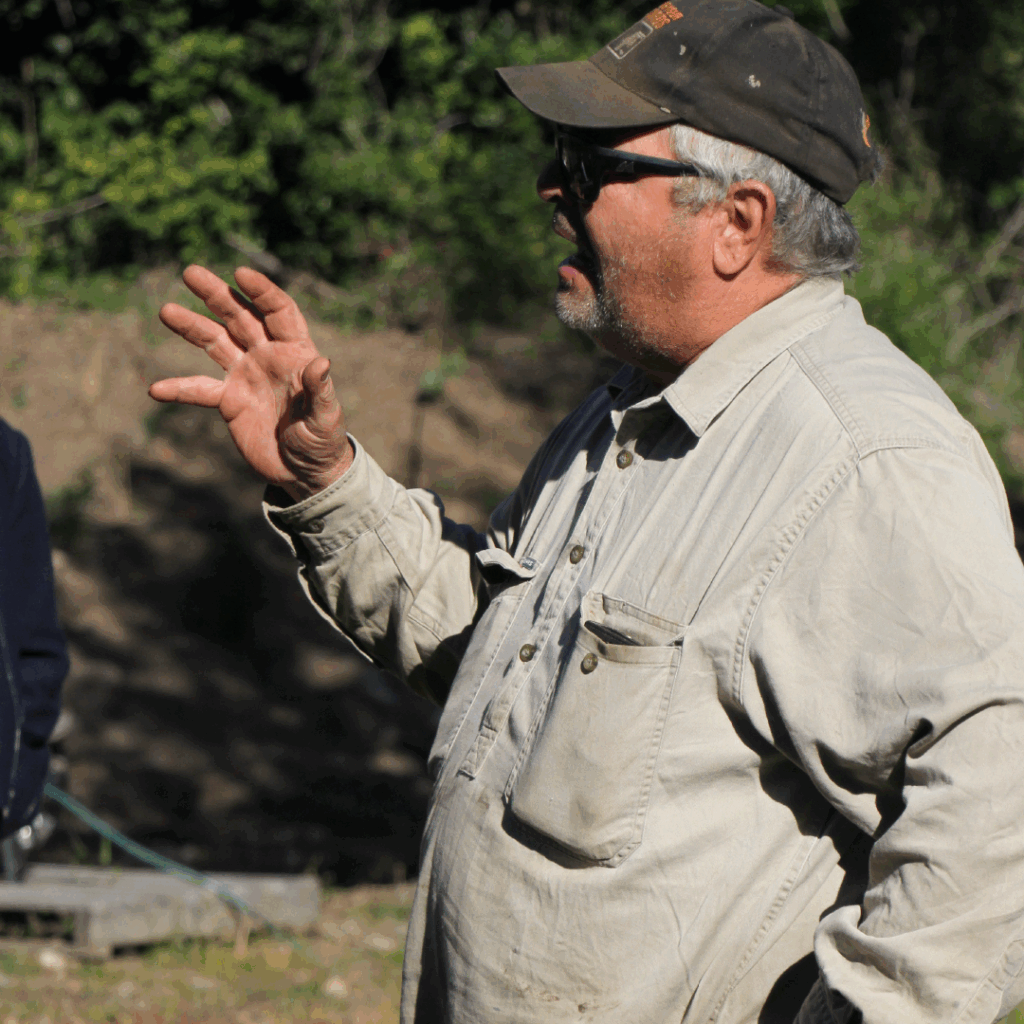
Ross says, “fencing is not just for keeping cattle out but a strategic tool to improve land and livestock management as a whole.” 

The key to Ross’s solution was relocating old fence lines and gates out of the gullies to higher ground, reducing cattle traffic through these erosion-prone areas. This smart repositioning helps prevent the development of deeper gullies and limits sediment runoff into the waterway. 

The fencing design is not only strategic but also wildlife-conscious: a plain top wire ensures wildlife, including native species, can safely navigate the landscape without the risk of injury. 


The Results: Healthier Land, Livestock, and Ecosystems 

Ross has implemented a wagon-wheel or rotational grazing approach, where cattle are moved systematically between paddocks. This practice gives pastures time to recover, encouraging regrowth, soil health, and water retention while reducing overgrazing and further erosion. 

Benefits already observed include: 

  • Improved pasture quality and soil condition 
  • Fatter, healthier cattle due to better pasture availability 
  • Reduced erosion and sediment loss 
  • Safer passage for wildlife across the property 

Ross’s attention to small details, such as preventing cattle from using the same track repeatedly, demonstrates his commitment to sustainable land management. 


Looking Ahead: Custodianship and Conservation 

Ross is clear about his role and said, “I’m a custodian of the land and will look after it while I have it.” 

Looking ahead, Ross’s focus is on leaving the land in better condition for future generations. Upcoming goals include planting native trees to support koala habitat, in partnership with other Reef Catchments projects like the Sarina Koala Habitat Restoration. 

His approach stands as a model for integrating productive agriculture with environmental stewardship, showing that even small changes, like a better-placed gate or a plain top wire, can have a big impact when viewed through a holistic lens. 


Assistance provided by the Australian and Queensland Governments under the Queensland Resilience and Risk Reduction Fund. The Sarina Koala Habitat Restoration project is supported by Reef Catchments through funding from the Australian Government’s Saving Koalas Fund. 


wildlife friendly fencing

Future-Proofing Grazing: The Climate-Smart Agriculture Program

jamie · Sep 16, 2025 · Leave a Comment

For graziers across the Mackay Whitsunday Isaac region, managing a productive farm has always meant balancing livestock, land, and the unpredictable rhythms of the seasons. But in a changing climate, the challenges are growing. Hotter summers, shifting rainfall patterns, and pressure on natural resources make it harder to plan for the long term. The Climate-Smart Agriculture Program (2024–2028), funded by the Australian Government through the Natural Heritage Trust, aims to give graziers the tools, knowledge, and support to face these challenges head-on. 

Rather than imposing one-size-fits-all solutions, the project is about rolling up sleeves and working on-farm alongside graziers to understand the unique story of each property. Over 34 participating farms across 900 hectares, Reef Catchments will help landholders co-develop Natural Capital Plans. These Plans are detailed strategies that map Natural Capital assets such as pastures, soil, water, vegetation and biodiversity, to help graziers see where their land is thriving, where it needs care, and how small, smart changes can protect natural systems while boosting productivity.  

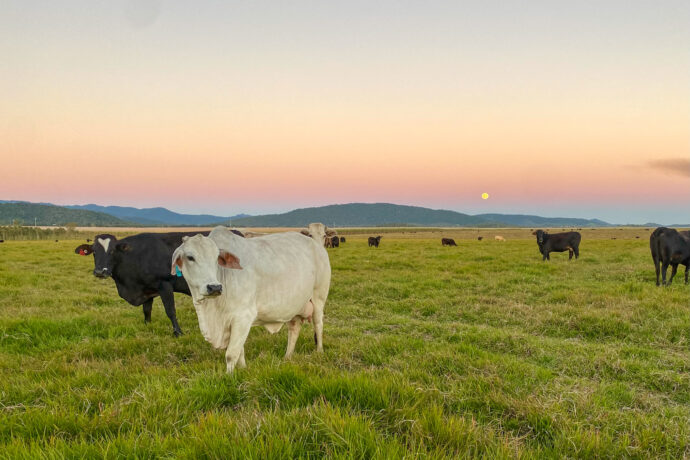
cattle in paddock with sunset
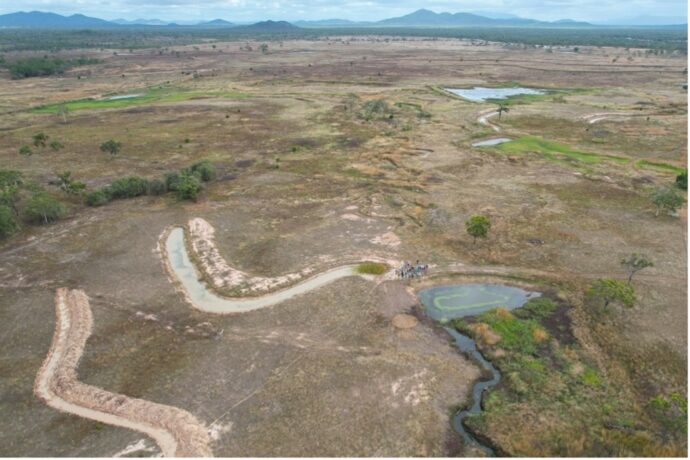
drone image of swales
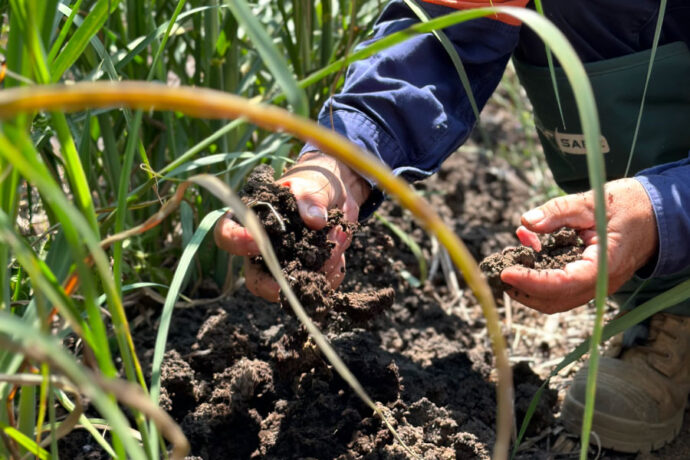
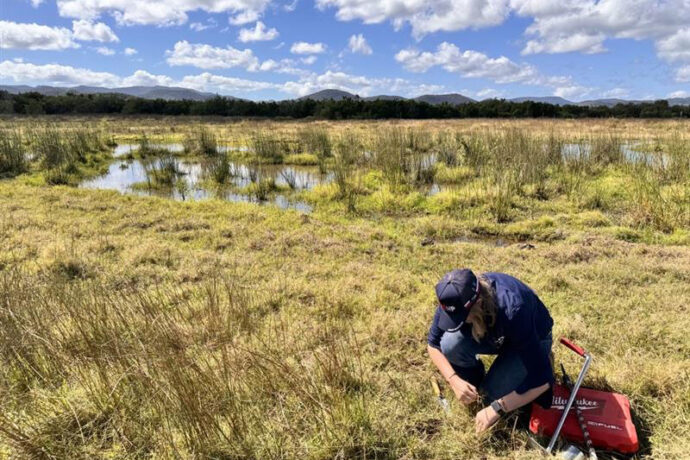
Reef Catchments Sustainable Agriculture team checking soil and grass on rural property


Every plan starts with understanding the land as it is today. Graziers will assess the condition of their paddocks, identify risks and opportunities, and establish a baseline for greenhouse gas emissions. From there, they can explore practical, climate-smart grazing practices that reduce emissions by improving efficiencies within the herd. It’s a hands-on approach that fits the realities of everyday farm life while enhancing understandings of emerging market opportunities linked to sustainability. 

Beyond planning, the program connects graziers with funding incentives, on-farm field days, and workshops where they can learn from experts and share experiences with fellow landholders. From building climate resilience to growing knowledge, and a stronger local grazing community, this program offers local graziers a unique opportunity to future-proof their farms through a tailored approach. 

If you’re a grazier in the Mackay Whitsunday Isaac region looking to future-proof your farm, now is the time to get involved. Upcoming workshops on the 7 and 8 October will provide expert advice, current best practice and innovation information, and the chance to connect with other landholders who are committed to building productive, resilient farms. For more information, contact holly.reid@reefcatchments.com. To register to the workshop, visit Eventbrite. 


Proserpine sugar farmers unite to reduce pesticides levels entering the Great Barrier Reef

jamie · Sep 11, 2025 · Leave a Comment

For generations, sugarcane has been a core aspect of the Proserpine region’s identity. From the vast green paddocks to the hum of harvest machinery, cane farming has shaped the landscape, economy, and community life of the district. Families who work this land carry with them not only the knowledge of farming, but also a deep connection to the creeks, wetlands, and reef systems that make the Proserpine catchment so unique. 

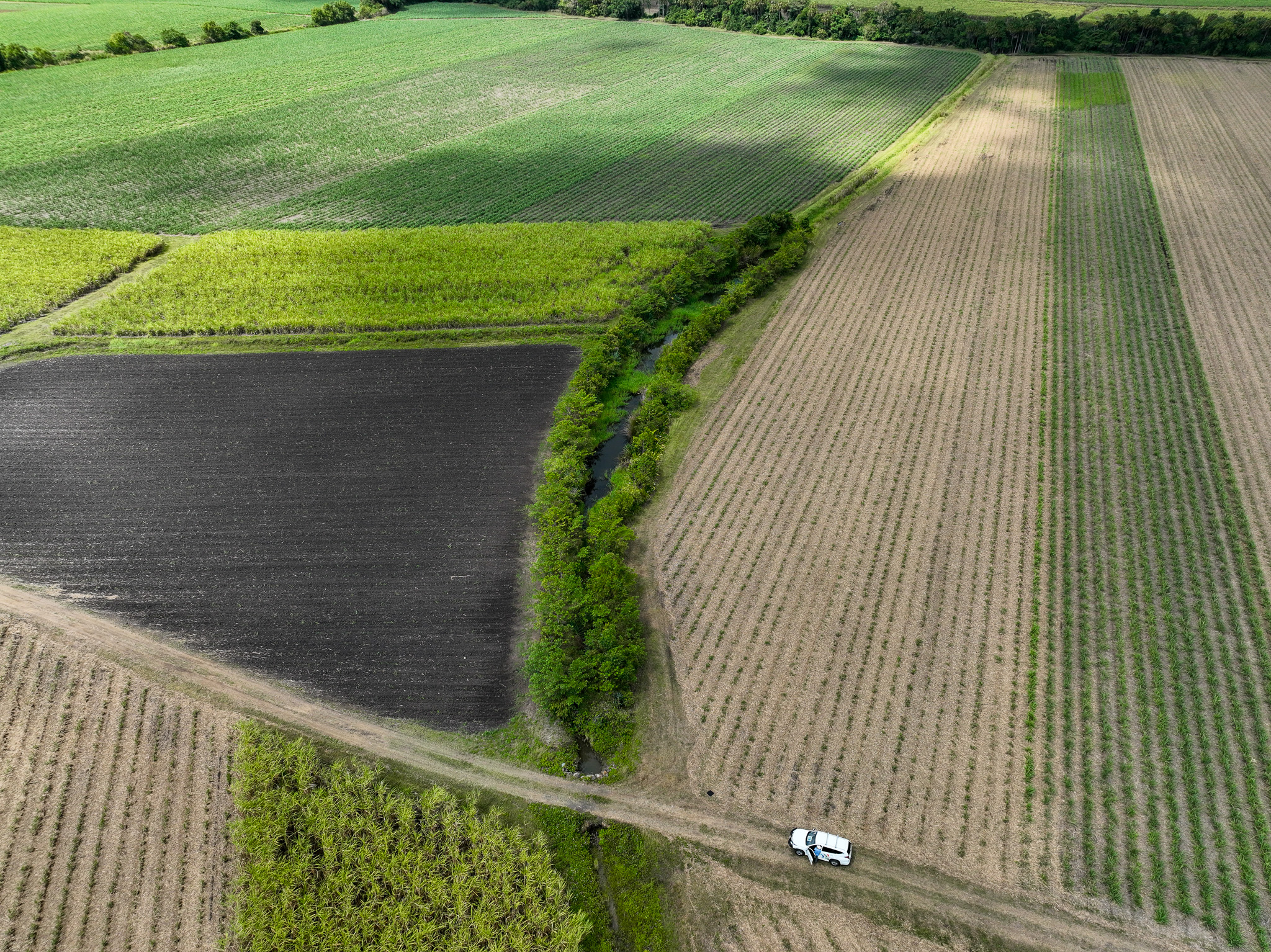
Now, a new initiative is giving growers the opportunity to build on that legacy by improving chemical management on-farm. Reef Catchments, in partnership with Farmacist, is delivering the Supporting Practice Change to Reduce Water Quality Risk, a two-year project working closely with sugarcane farmers in the Proserpine catchment. 

Reef Catchments Sustainable Agriculture manager, Todd McNeill, explains, “Sugarcane farming has long been an important part of the Proserpine region and continues to play a key role in the local community. This project supports growers in adopting practical changes that improve water quality while maintaining productivity.” 


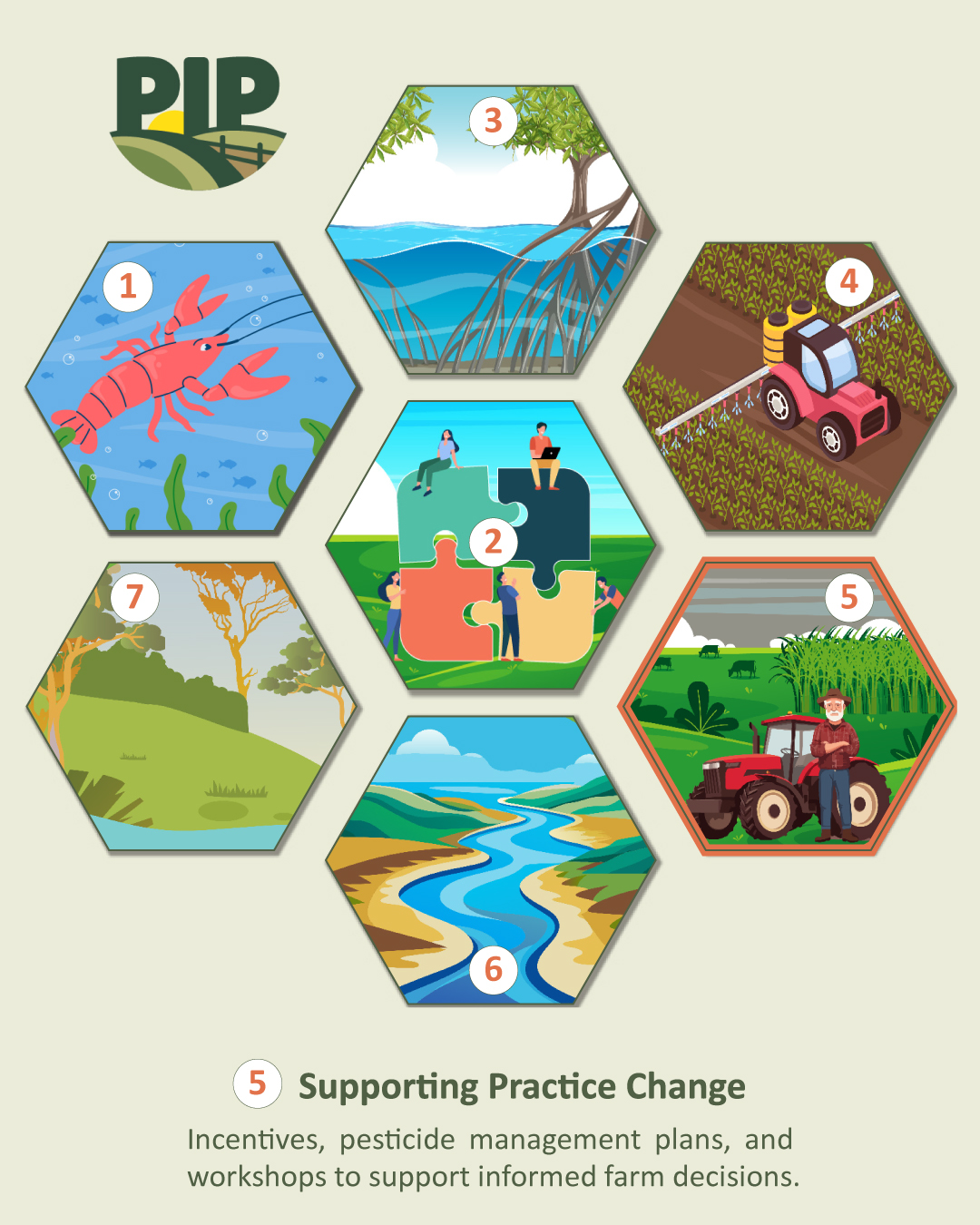
At its core, the project is grower-focused, designed to support farmers with practical tools and guidance. Farmers will work with agronomy experts on tailored chemical management plans, spray rig audits, and on-farm visits. Small financial incentives can help upgrade spray nozzles, making every day work more efficient. Two hands-on workshops bring participants together to learn about weed identification, chemical handling, and spray rig calibration – providing a chance to share knowledge, ask questions, and learn the latest in innovative farming methods. 

For growers, the benefits are both immediate and long-term. Better chemical use means reduced costs, improved efficiency, and smoother day-to-day farm management. As Senior Project Officer Kevin Moore explains, “Taking part in this project will give growers the know-how, tools, and a clear plan to use pesticides more efficiently. This means saving money, saving time, and making day-to-day farm work easier.” 


The project is part of the broader Proserpine Integrated Project (PIP), which is bringing together seven innovative initiatives to improve water quality across the catchment. From AI-driven technologies to circular economy solutions, PIP is designed to support growers and communities while reducing pollutants flowing to the Great Barrier Reef lagoon. 

Todd explains, “Under PIP, growers are not working in isolation but as part of a wider coordinated approach across the catchment. By taking part, growers are exploring new tools and practices that support farm productivity while improving water quality across the catchment.” 

If you’d like to improve chemical management on your farm, strengthen productivity, and be part of a project making a real difference for our community and environment, contact kevin.moore@reefcatchments.com.

The Supporting Practice Change to Reduce Water Quality Risk is funded through the Queensland Government’s Queensland Reef Water Quality Program and delivered by Farmacist in partnership with Reef Catchments under the Proserpine Integrated Project.  


From Paddock to Sale: Annual Grazing Forum Strengthens Local Grazing Enterprises

jamie · Sep 4, 2025 · Leave a Comment

Across the Mackay Whitsunday Isaac region, grazing is more than an occupation – it’s a way of life. Early mornings checking fences, long days walking paddocks and ongoing careful decisions about pasture, herd health, and markets. All of it shapes the land, the livestock, and the livelihoods that depend on them. Seasons are unpredictable, challenges are constant, and yet graziers keep going, knowing that every choice today echoes for years to come. It’s in that context that gatherings like the Reef Catchments Annual Grazing Forum become so vital.  

For the first time, the Grazing Forum will be held in Proserpine giving graziers across the Whitsundays easier access to the event and its wealth of knowledge. Adding to the excitement, cattle will be showcased in the Proserpine Showgrounds show ring, giving participants a chance to see genetics, bull selection, and animal presentation demonstrated live. 

Reef Catchments Sustainable Agriculture Facilitator, Kellie Harmsworth, says, “This year’s Grazing Forum is all about the theme – Paddock to Sale, taking a big-picture look at the whole grazing journey. During the Field Day we will get out into the paddock to explore pastures and practical management, while the Forum will turn the focus to the beast – looking at genetics, performance, and how to get the best value at sale.”  

Out in the paddocks and under the wide Queensland sky, graziers connect with others who understand the realities of the job. They swap stories about what worked and what didn’t, compare notes on pastures, pests, and herd nutrition, and discover new approaches that might transform their own operations. The annual Grazing Forum is a “must attend” event for many graziers, including Travis Perry. 

“I always found the Grazing Forums to be not only an excellent event to come to socialise and interact with other graziers, meet new producers, be influenced by what other people are doing, and forming relationships there – but the actual information offered is something that you can’t just access any day of the week. As soon as it comes up in the calendar, it’s locked in – a must attend event,” says Travis. This year will mark his 10th year attending the Grazing Forum.

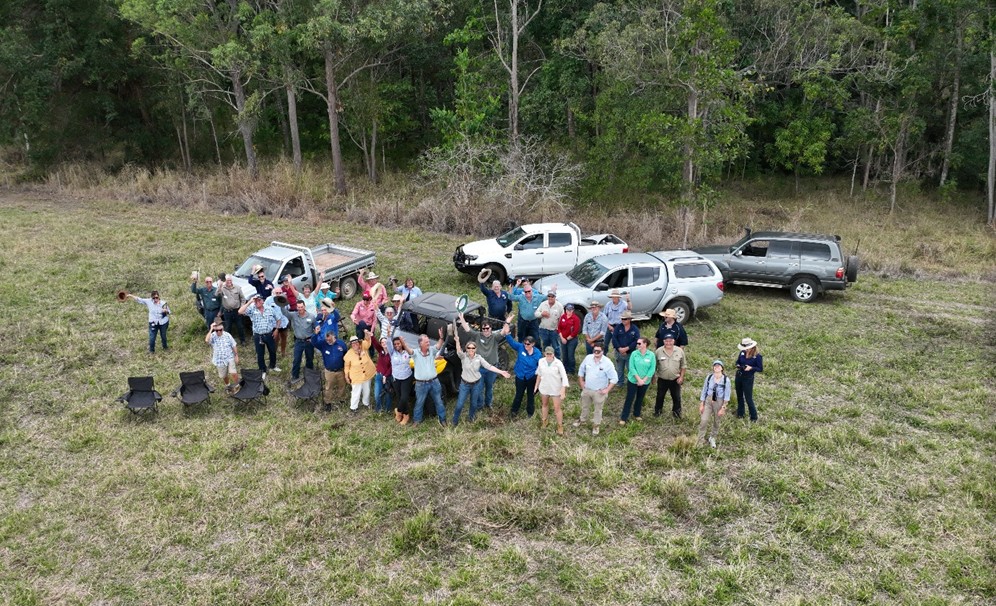
Grazing forum paddock group shot
2024 Grazing Forum Field Day

“Events like the Reef Catchments Annual Grazing Forum are an investment to the region. They bring together practical know-how, shared experience, and a strong sense of community. It gives graziers a chance to step off-farm, see what’s working for others, and pick up fresh ideas to improve herd health, lift pasture productivity, and strengthen the bottom line. The benefits ripple out – healthier land, more resilient businesses, and a network of graziers backing each other,” says Kellie.

The 2025 Grazing Forum will be held on Wednesday 22 October (Field Day) and Thursday 23 October (Forum). To find out more about this year’s Grazing Forum, contact Kellie Harmsworth: saf@reefcatchments.com, or 0456 182 348. Alternatively, click here to register.
The Grazing Forum is presented by Reef Catchments Ltd, through funding from the Australian Government and Glencore. 


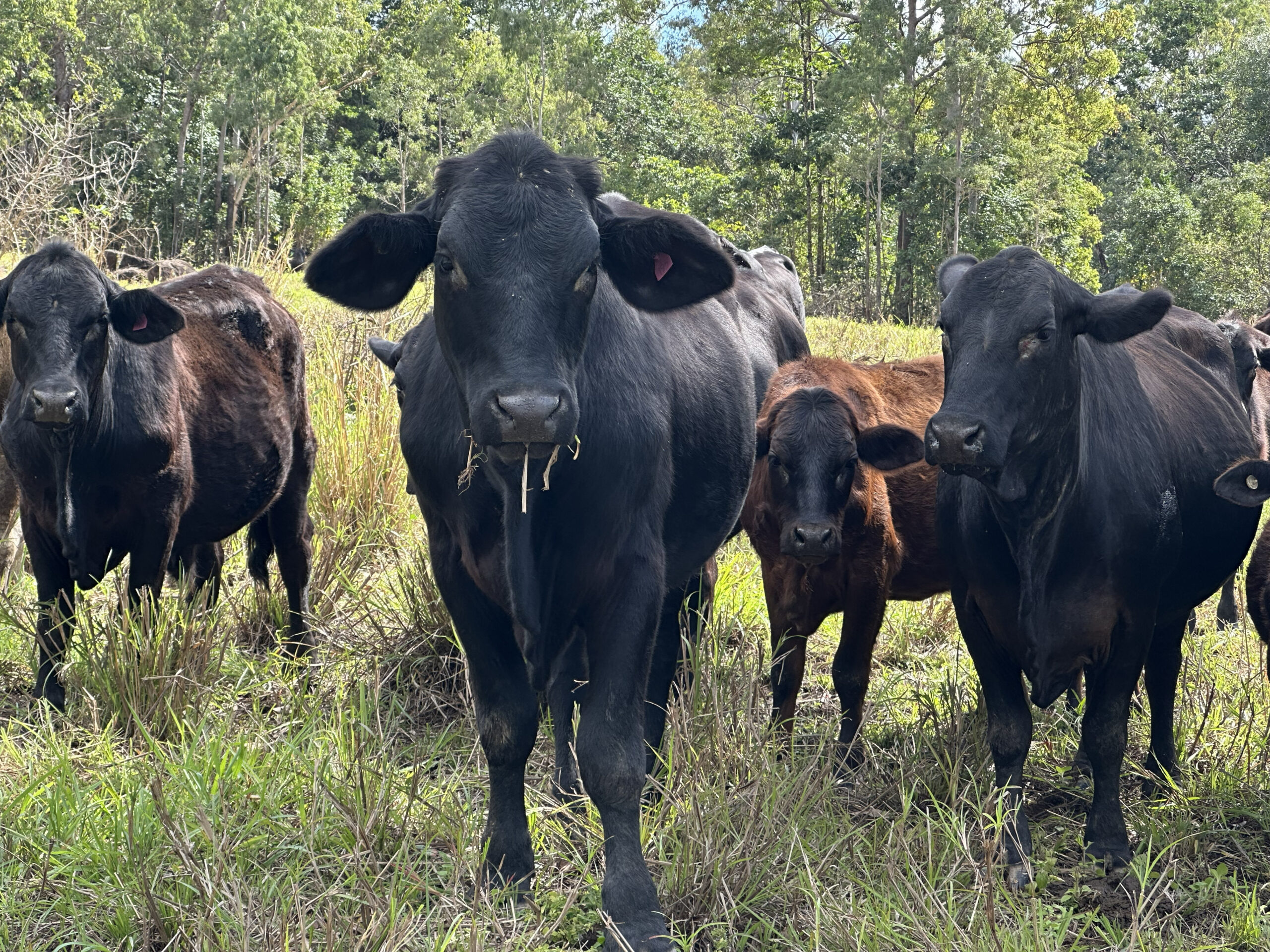
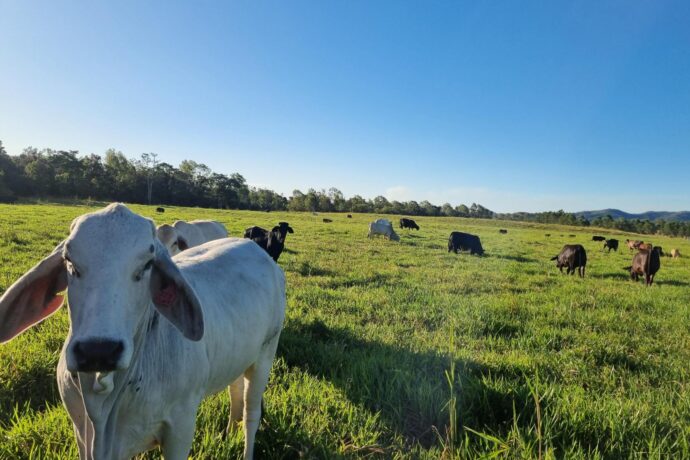
Cows in grassy paddock
Sustainable Agriculture Brahman Cattle

Spring Comes Early at Coral Sea: Tiny Flowers, Big Impact

jamie · Jul 10, 2025 · Leave a Comment

While the rest of the Whitsundays are still shaking off the last chill of winter, spring has already sprung in an unexpected place – the seagrass nursery tucked inside Coral Sea Marina in Airlie Beach. Here, rows of sunlit tanks are quietly nurturing the next generation of seagrass meadows, offering a hopeful glimpse into the future of our coastal ecosystems.

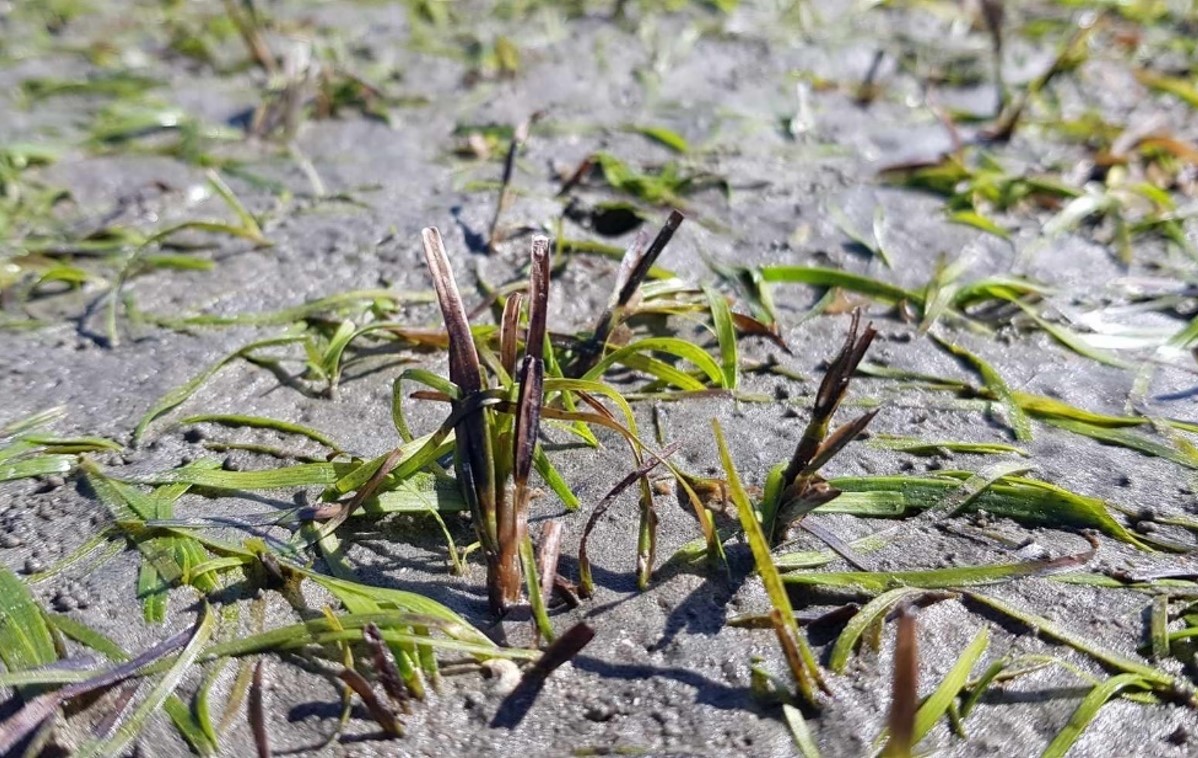
Zostera muelleri, or “eelgrass”, has produced the first flowers for the year – and in abundance. Found in shallow waters and intertidal mudflats, this species grows in dense meadows that support marine life with its long, strappy leaves and mesh-like vein pattern. Notably, Zostera muelleri produces a large number of seeds annually, making it a valuable species for local research projects.

Zostera muelleri

The early flowering came as a surprise to Reef Catchments Project Officer Alexandra (Lexi) Williams, who has been maintaining the nursery tanks. “It’s been a cold winter, but the seagrass pots are placed along the sunniest parts of the tank edges,” Lexi said. “That temperature variation might have encouraged them into flowering early – which is really interesting.”

They’re no bigger than your finger and yet these delicate seagrass flowers carry the potential to regrow entire seagrass meadows. Each Zostera shoot can produce up to five flowering spathes, and each of those can yield 10–15 seeds. That might sound modest, but under the right conditions, a single seed can regenerate up to a hectare of seagrass meadow.

Images courtesy of CQ University Australia

Normally, flowering begins around August or September. This unexpected early bloom provides a welcome opportunity to begin collecting viable seeds for use in local restoration research trials. Once collected, the seeds are cultivated in the nursery before being returned to the Pioneer Bay mudflats as part of a research project which looks at the impact of re-seeding damaged or fragmented meadows.

Seagrass is a powerhouse of the marine environment. These meadows provide shelter for an incredible variety of sea life, from crabs and snails to juvenile fish, and are an important food source for turtles and dugongs. They also play a key role in stabilising sediment, improving water quality, and storing carbon. With flowers forming at the Airlie Beach nursery, there’s renewed hope that seed-based methods can be used for restoring these vital habitats, ensuring they continue to support rich biodiversity and the health of our coastal ecosystems for years to come.

Building Strong Foundations for Women in Agriculture

jamie · Jun 19, 2025 · Leave a Comment

In the heart of the Mackay Whitsunday Isaac region, a quiet revolution is taking place. One that is led by the women who live, work, and thrive in the agricultural sector. As farming families adapt to shifting roles and the evolving needs of agriculture, this group is stepping up to support and empower a vital part of the industry: women. 

Reef Catchments Sustainable Agriculture Facilitator, Kellie Harmsworth, lives by the mantra: “If you can’t see the light at the end of the tunnel, march down there and light the darn thing yourself!”  

It’s a bold mantra, and one that many women in agriculture will resonate with; equal parts grit, humour, and quiet determination. It’s also a sentiment that sits at the heart of the Mackay Whitsunday Isaac Women in Agriculture (WiA) group – an initiative that recognises how vital it is to create space for women who are part of agriculture; on the land to connect, grow, and be heard. 

“The WiA group was created as I had seen the need – from my own personal experience – for women who work on farm or within the agriculture sector, to have a comfortable space for connecting, sharing and learning. I’m utilising word of mouth, social media and other platforms to provide growth opportunities for ladies in our region,” said Kellie. 

“Life is so busy and can at times be consuming, isolating and overwhelming a simple opportunity could potentially create a more positive pathway for someone who, like all of us, are on a journey.” 

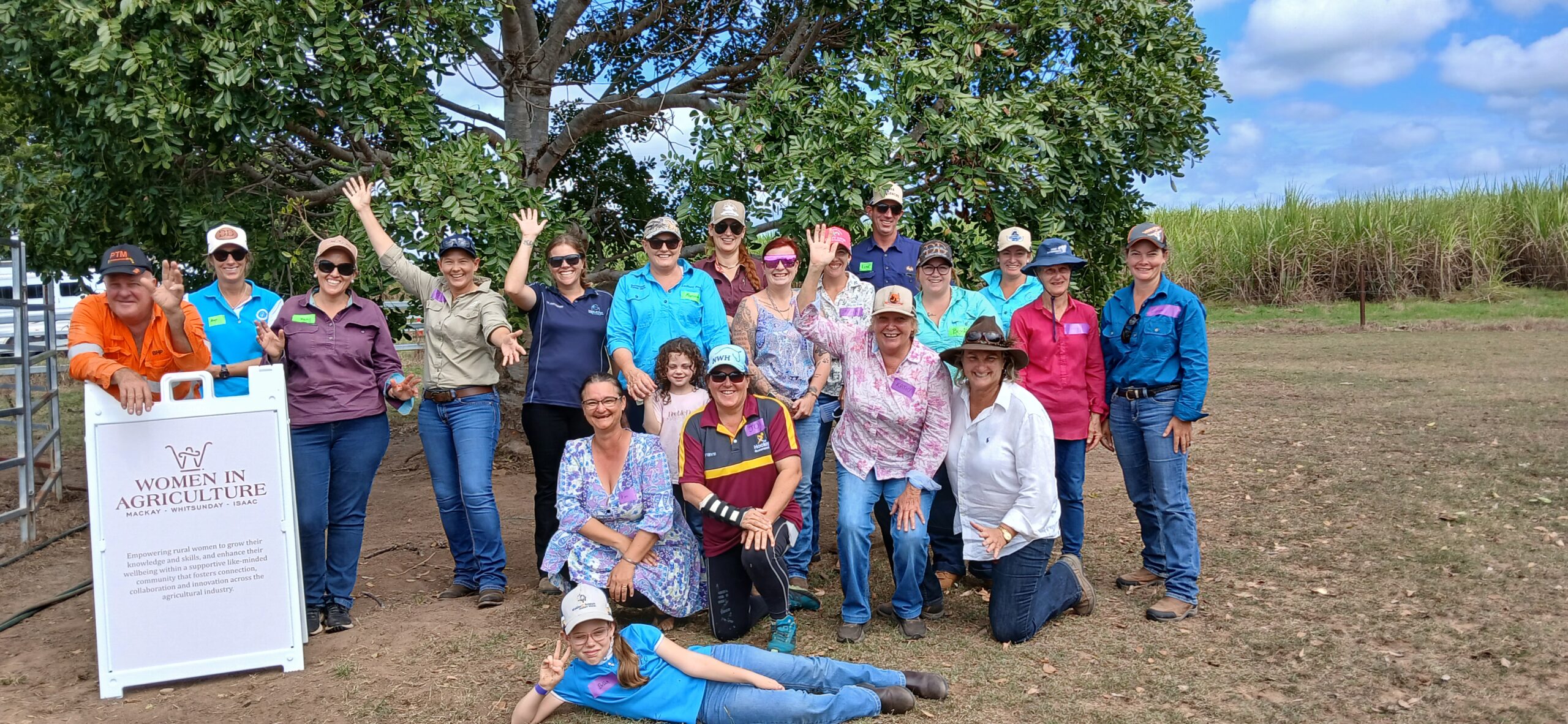
group photo of women with women in agriculture sign in front of cane field.

Recent WiA Farm Animal First Aid Workshop at the Calen Trail & Horse Sports club.

WiA aims to strengthen the everyday resilience of women who balance family, farm, and often off-farm work. It’s about building the confidence to lead, the clarity to set goals, and the community to lean on when things get tough. Perhaps most importantly, it’s about visibility: making sure women are seen—not just as supporters of farming businesses, but as co-drivers and custodians of them. 

“It’s a community,” said local grazier Sharon Yensch, “where we are isolated as farmers with commitments to our family and farm, and we can forget ourselves. We lose our identities.” 

“This group helps support my self-worth as a Woman in Ag. It gives us a comfortable environment to learn, share, and connect to help create healthy minds.” 

Women who join WiA groups often speak about how empowering it is simply to be in a room where they’re not alone in their challenges. The shared conversations about time management, delegation, farming partnerships, and goal setting help break the mould and build healthier personal and professional habits. 

As Sharon puts it, “Farming is about being in a partnership. What tools or methods can we learn to better manage time, plan ahead, and support one another? Sometimes, we just need that reminder to wind back and make time to smell the roses.” 

And it’s not just about the now – it’s about the future. 

“We are custodians of our farms,” Sharon said. “What are we leaving for the next generation? What differences are we making? Plant the seed, keep watering – and it will grow.” 

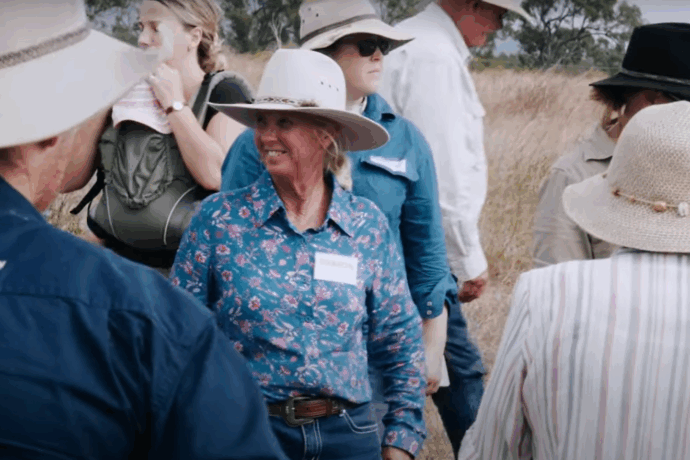
Sharon Yensch (pictured in far left image) and Mark Yensch (pictured with Sharon in far right image), hosting a Reef Catchments Peer to Peer workshop on their property in Bowen.

A Chance to Connect 

The next Women in Agriculture gathering will be held on Saturday, July 5, at Sharon Yensch’s property in Bowen. The event—“Building Strong Foundations”—will provide a relaxed, supportive space to explore identity, purpose, and practical strategies for managing life and work on the land. Featuring guest speaker Kaitlin Tilly and hosted with community in mind, it’s another opportunity for women to come together, share stories, and build lasting connections. 

For more information about the Women in Agriculture group or to join the next event, please contact Kellie Harmsworth: saf@reefcatchments.com. 

Get to know us better

You’ll receive our monthly newsletter containing updates on events and workshops, community activities and information about how our projects are helping our regional environment and communities.

  • This field is for validation purposes and should be left unchanged.

© 2025 Reef Catchments · All rights reserved · Site by the dma

  • Disclaimer
  • Privacy Policy
  • Sitemap
  • Contact
  • Disclaimer
  • Privacy Policy
  • Sitemap
  • Contact
Reef Catchments would like to acknowledge the Traditional Owners, past and present, on whose land, sea and waters we work. We acknowledge their enduring spiritual and cultural connection and their responsibility as First People to maintain and care for Country.
While every effort is made to maintain a culturally respectful resource; Aboriginal and Torres Strait Islander people are advised that this website may contain images, voices and names of people who have passed away.