
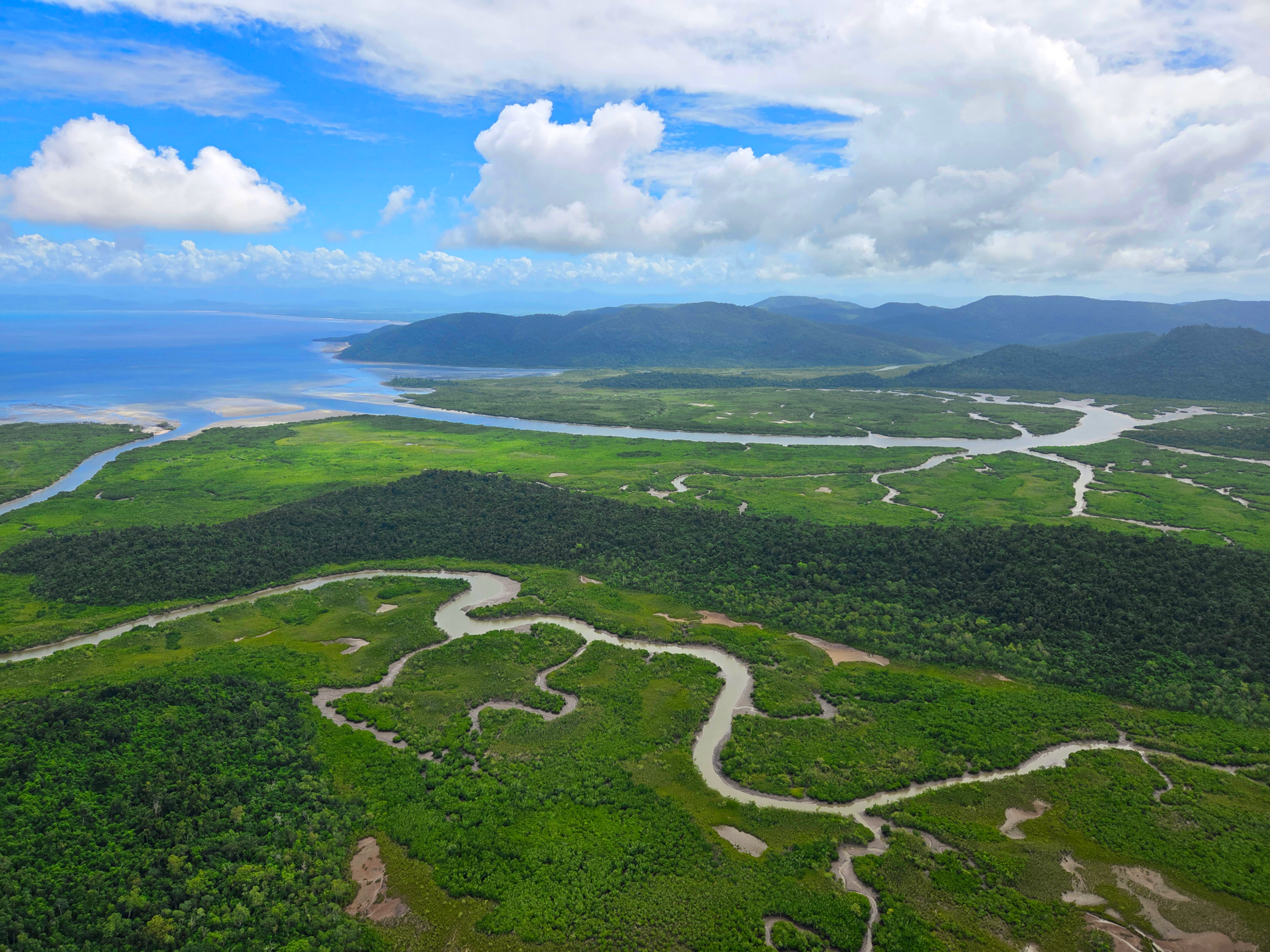
Looking after the Mackay Whitsunday Isaac region, together
Reef Catchments is an independent, community-focused not-for-profit, working alongside landholders, Traditional Owners and local partners across the Mackay Whitsunday Isaac region. We manage more than $32 million across 30-plus projects, driving real outcomes for our region.
Explore our projects, read our first Impact Report or meet the team below.
OUR REGION
Our region runs across four catchments: the Proserpine, the O’Connell, the Pioneer and the Plane Creek. Cane fields and cattle country, creeks and wetlands, rainforest and beach scrub, all the way out to the islands and the Reef. For more than 20 years, we’ve been bringing people together to look after this place.
From our offices in Mackay and Proserpine, our team works with landholders on sustainable farming, restores creeks and wetlands, monitors water quality, looks after threatened species and helps keep the Great Barrier Reef healthy. We connect the right people to turn good ideas into real, on-ground change.
Latest articles
All articles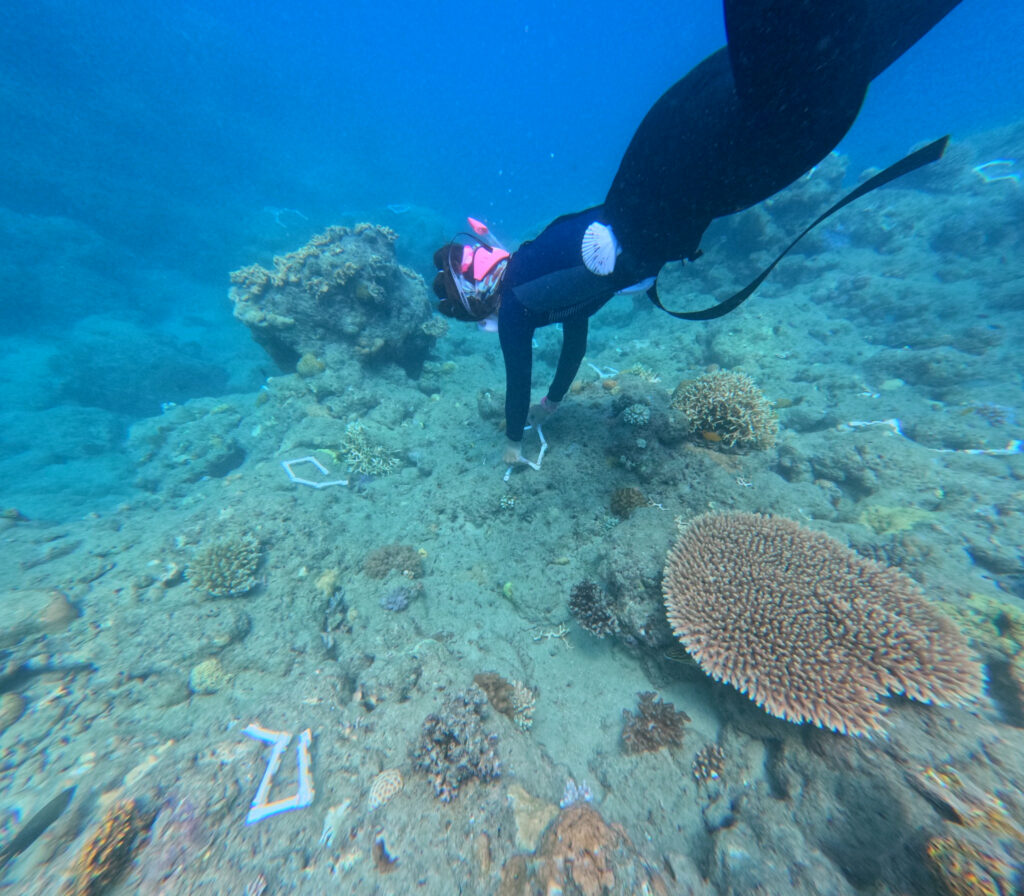
First year of local leadership: Boats4Corals at Blue Pearl Bay
| Great Barrier Reef
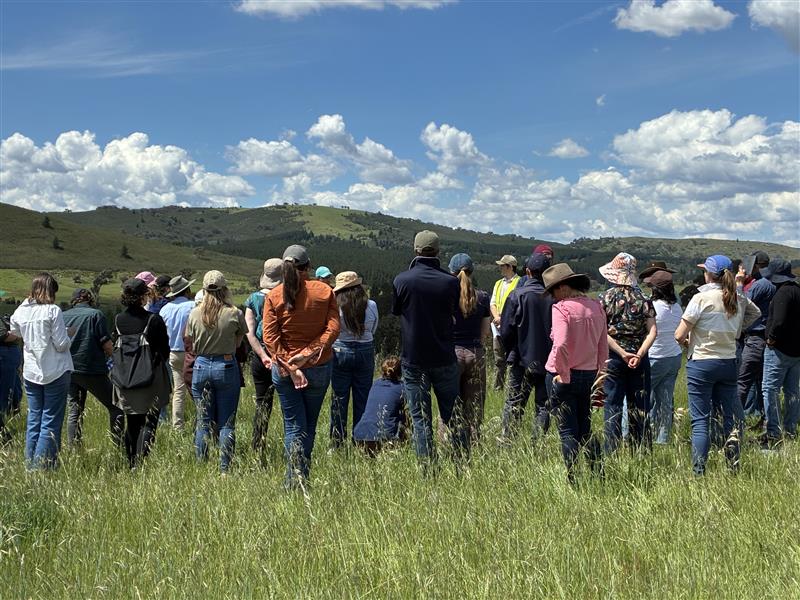
Building Connections to Support Sustainable Agriculture
| Sustainable Agriculture
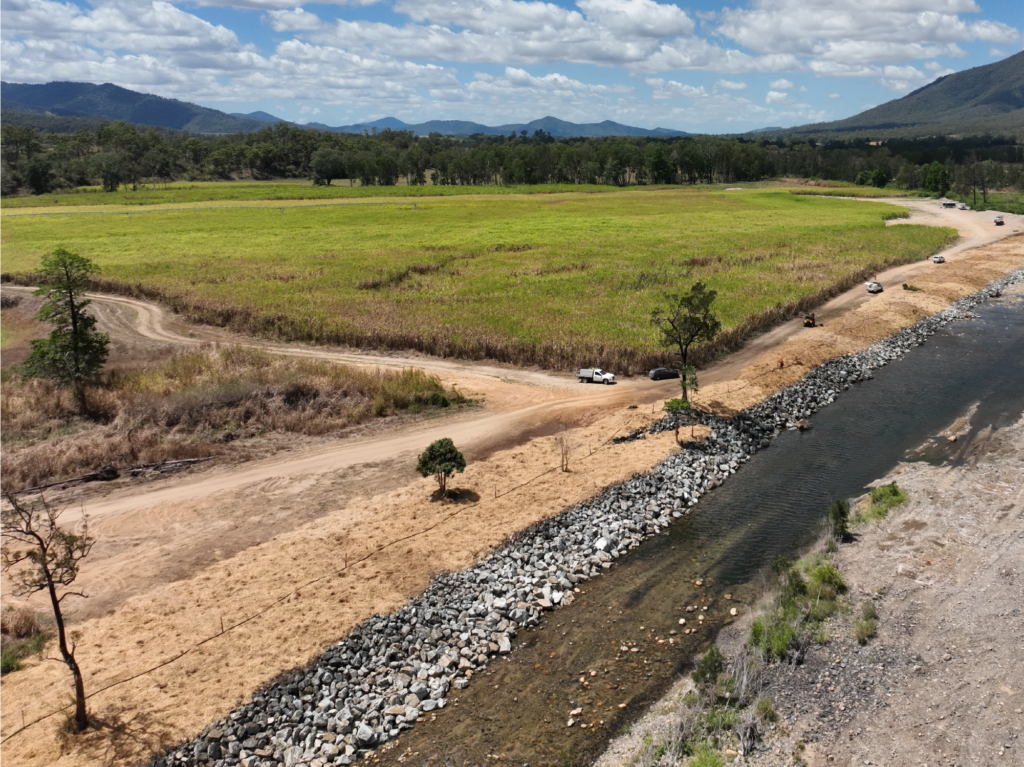
Cattle Creek Restoration in Action
| Water
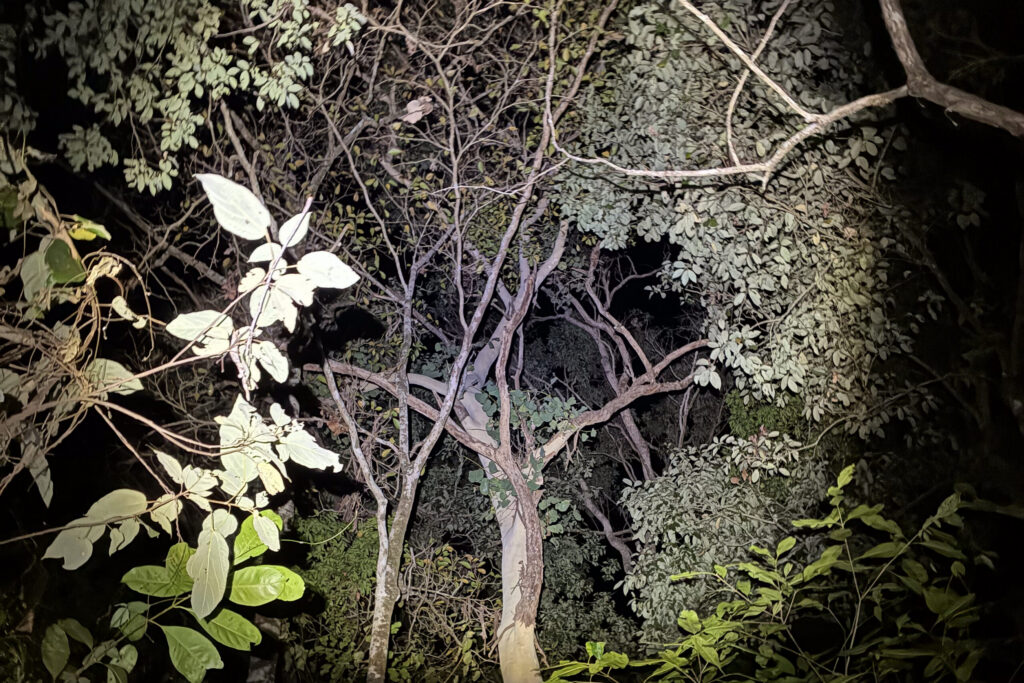
Koala Sighting Highlights the Power of Long-Term Habitat Restoration
| Biodiversity
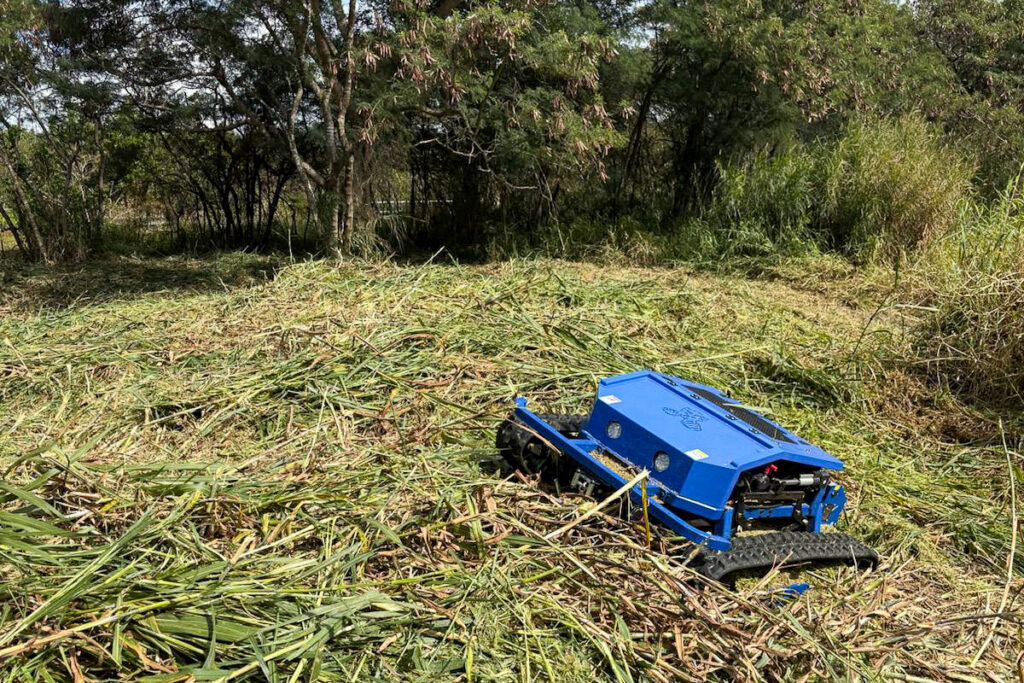
New technology slashing weed management time along the Pioneer River
| Great Barrier Reef
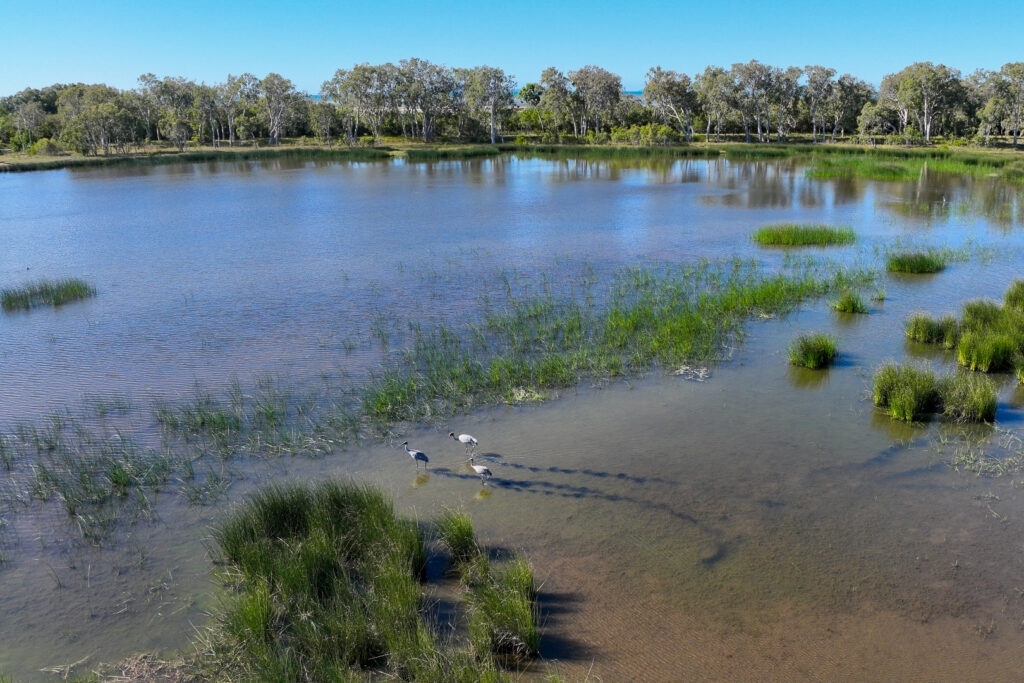
A New 10-Year Roadmap for Water Quality in the Mackay Whitsunday Region
| Water


Reef Catchments is proud to join with 11 other regional Natural Resource Management organisations through NRM Regions QLD to provide coordinated, supportive services across the state.
NRM Regions Queensland is the representative body for NRM in Queensland. They coordinate statewide programs and provide a forum for these organisations to collaborate and support each other.
Events
News
Careers
Get involved
Contact
Our values
- Purposeful
- Connected
- Respect
- Evolve
- Accountable
Working to sustain, protect and improve natural resources in the Mackay Whitsunday Isaac region
A region that is resilient and adaptive to change; where people, the environment, production and development exist together in balance.
Conserved land
Sugar cane land
Wetlands
Islands
Forestry land
Grazing land