• Skip to primary navigation
  • Skip to main content
Reef Catchments Three Colour PMS
  • About
    • Annual reports
    • CEO’s Message
    • Board members
    • Our team
    • Careers
    • Partners
    • Queensland NRM Network
    • Strategic plan
    • Become a member
    • Update your contact details
  • Projects
    • Sustainable Agriculture
    • Waterways
    • Biodiversity
    • Great Barrier Reef
  • NRM Plan
    • NRM Plan 2014-2024
    • NRM region map
    • NRM Plan supporting documents
  • News
    • Articles
    • Newsletters
    • Media releases
    • Citizen Science Calendar
  • Events
  • Resources
    • Species, ecosystems & pests
  • Get involved
  • Careers
  • Contact us
×
  • About
    • Annual reports
    • CEO’s Message
    • Board members
    • Our team
    • Careers
    • Partners
    • Queensland NRM Network
    • Strategic plan
    • Become a member
    • Update your contact details
  • Projects
    • Sustainable Agriculture
    • Waterways
    • Biodiversity
    • Great Barrier Reef
  • NRM Plan
    • NRM Plan 2014-2024
    • NRM region map
    • NRM Plan supporting documents
  • News
    • Articles
    • Newsletters
    • Media releases
    • Citizen Science Calendar
  • Events
  • Resources
    • Species, ecosystems & pests
  • Get involved
  • Careers
  • Contact us
Hide Search

Archives for December 2025

Beyond the View: Why Beach Scrub Matters to You and Your Coastline

jamie · Dec 16, 2025 · Leave a Comment

Take a walk along a quiet stretch of the Mackay Whitsunday Isaac coastline and you might pass a tangle of trees and vines hugging the dunes. They are cool and shaded. They echo with bird calls and scurrying things. Trees and vines are twisted and patches of sunlight filter through. You’ve probably driven past it before or perhaps set up a picnic nearby. These scattered green patches are one of the rarest and most overlooked ecosystems in Australia – Littoral Rainforests, also known as “beach scrub.” 

Although seemingly scruffy or small, beach scrub is a powerhouse that stores carbon and holds the coastline together. These narrow bands of vegetation steady the dunes, soak up water, buffer the wind, and give strength to the places we live and play. As an essential part of the coastal ecosystem (providing habitat, protecting dunes and supporting the broader coastal landscape) they also underpin tourism, recreation and our everyday connections to nature. 

Beach scrub is home to a rich diversity of plant and animal life, including several threatened species such as the Proserpine rock-wallaby, the northern quoll, beach stone-curlews and pied imperial-pigeons. Beach scrub helps to shelter the dunes in which sea turtles nest, and orange-footed scrubfowl build their nesting mounds under the canopy. Native plants like tuckeroo, golden orchid and Burdekin plum grow here too – plants Traditional Owners have used for generations to build, eat and heal. 
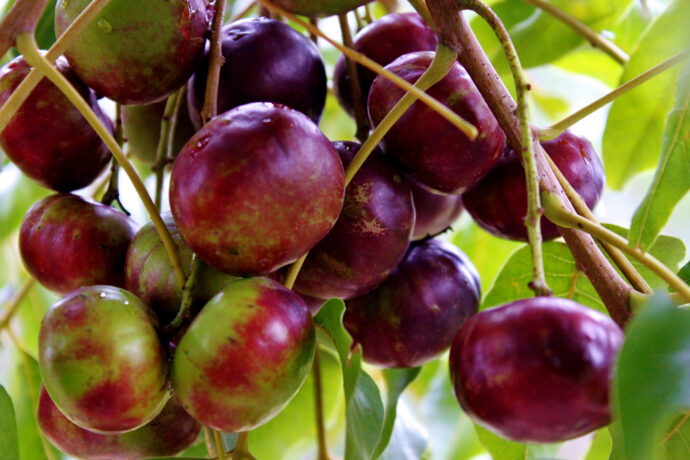
Close up of Burkedin plum fruit clusters, purple round fruit against green leaf backrgound
Burdekin Plum
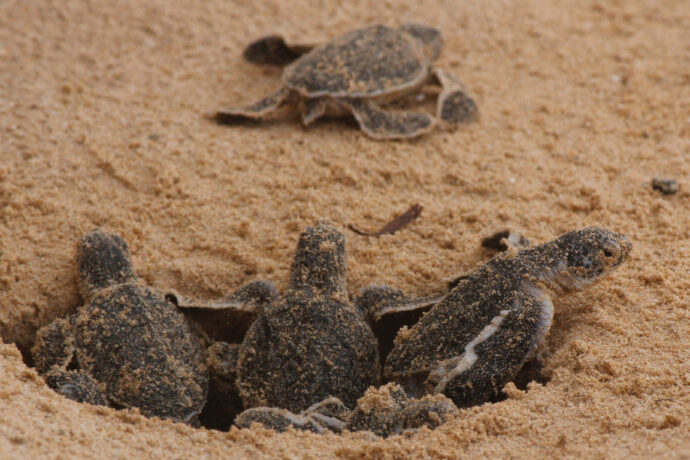
sea turtle haschlings emerging from nest
Turtle Hachlings
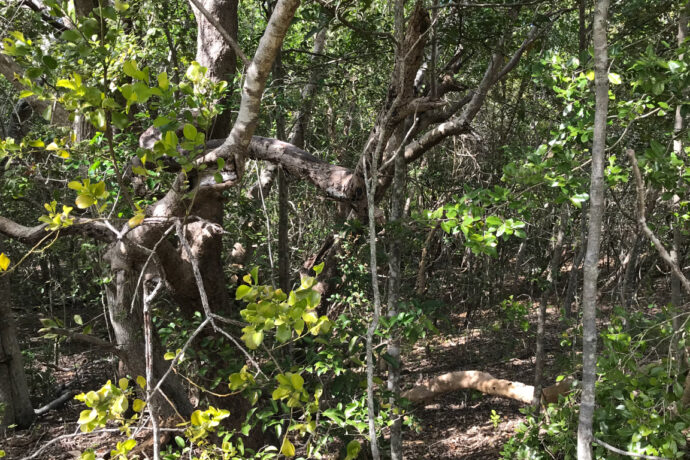
Beach scrub vines intertwining
Littoral Rainforest (Beach Scrub)

Unfortunately, less than 30% of beach scrub’s original footprint remains in Central Queensland. What’s left is made up of small patches, many under 10 hectares, sitting sporadically along the shoreline or tucked into the edges of offshore islands. Because they’re easy to miss, they’re also easy to neglect, often cleared for development, taken over by weeds, or burnt out by fire. It’s not until they’re gone that their impact on our coastlines is noticed. The land shifts during strong winds, erosion intensifies during heavy rain and storms, and native animals become displaced.  

Reef Catchments, in collaboration with ecologists and Traditional Owners, completed a comprehensive regional assessment to better understand the condition of beach scrub in the Mackay Whitsunday Isaac region. Of the 31 sites assessed along the Mackay Whitsunday Isaac coast, many showed signs of significant stress. Invasive weeds, trampling, and clearing have taken their toll. Some sites are reduced to struggling patches, while others remain surprisingly intact. The results confirm what’s long been observed on the ground: many patches are degraded and under pressure. But they also show that, with the right care, recovery is possible. 

But importantly, the long-term monitoring data show that recovery is possible. For example, at Nelly Bay in Cape Gloucester, the beach scrub achieved a biocondition score of 67.5% in 2008. When the site was reassessed in 2021, the score had increased to 90%, reflecting more than a decade of careful management, weed control and protection efforts. More on-groundwork has been completed since then, and the next assessment will likely show further improvement. This trend demonstrates something critical: these coastal patches can recover when we look after them, and when they recover, the entire coastline benefits. 

Reef Catchments Senior Project Officer Morgan Thomas was part on the regional assessment and notes, “Beach scrub is an incredibly important coastal ecosystem, but it has been reduced to a fraction of its original extent. It is now listed as critically endangered, and in many places, it is only holding on in a narrow, fragmented strip. Proper care is essential not just to protect what remains, but to give these systems a chance to recover. They’re tough, resilient communities, but they can’t bounce back without help from us.” 
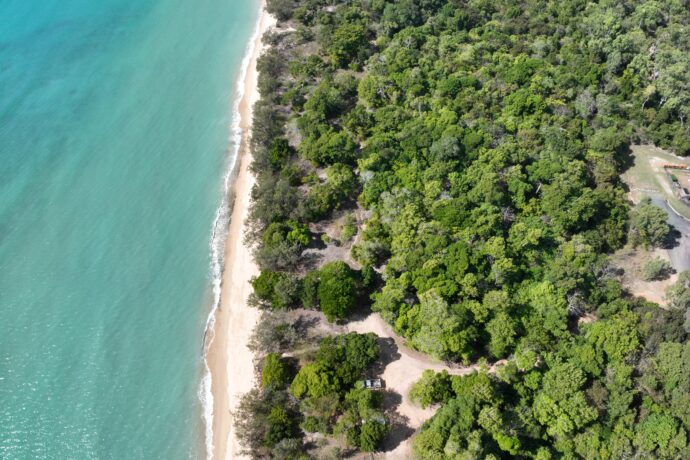
Beach Srub at Nelly Bay

Even though the threats are real, they can be turned around. Across the region, landholders, Traditional Owners and community groups are stepping in to give beach scrub a chance. Weed control, revegetation, fencing, fire planning and better access management can go a long way, especially when support and resources are shared. Community members can also play a role by reporting new weed outbreaks, sticking to designated tracks and helping with local working bees, all of which strengthen on-ground efforts. 

Next time you visit the beach, take a moment to look behind the shoreline. That patch of greenery isn’t just part of the scenery. It plays an important role in protecting the land, supporting wildlife, and keeping the coast strong. Beach scrub works quietly in the background, but it helps in powerful ways. By learning to value and care for it, we can help safeguard the places we love – now and into the future. 
Proserpine Integrated Project – 2025 Year in Review 

jamie · Dec 15, 2025 · Leave a Comment

2025 marked a pivotal step forward for the Proserpine region with the launch of the Proserpine Integrated Project (PIP) – a whole-of-catchment initiative bringing seven innovative projects together under one vision: building long-term solutions tailored to the unique conditions of our landscape. 

Running until 2027, PIP is designed to safeguard the natural assets that sustain our farms, businesses and local communities. This first year has focused on planning and collaboration, working closely with project partners, Tassal, Alluvium, Sugar Research Australia, Autoweed, James Cook University, Farmacist, Pitt & Sherry and Truii, to lay the foundations for success.

Cane harvesting at sunrise.

Project 1 – Biofiltration systems  

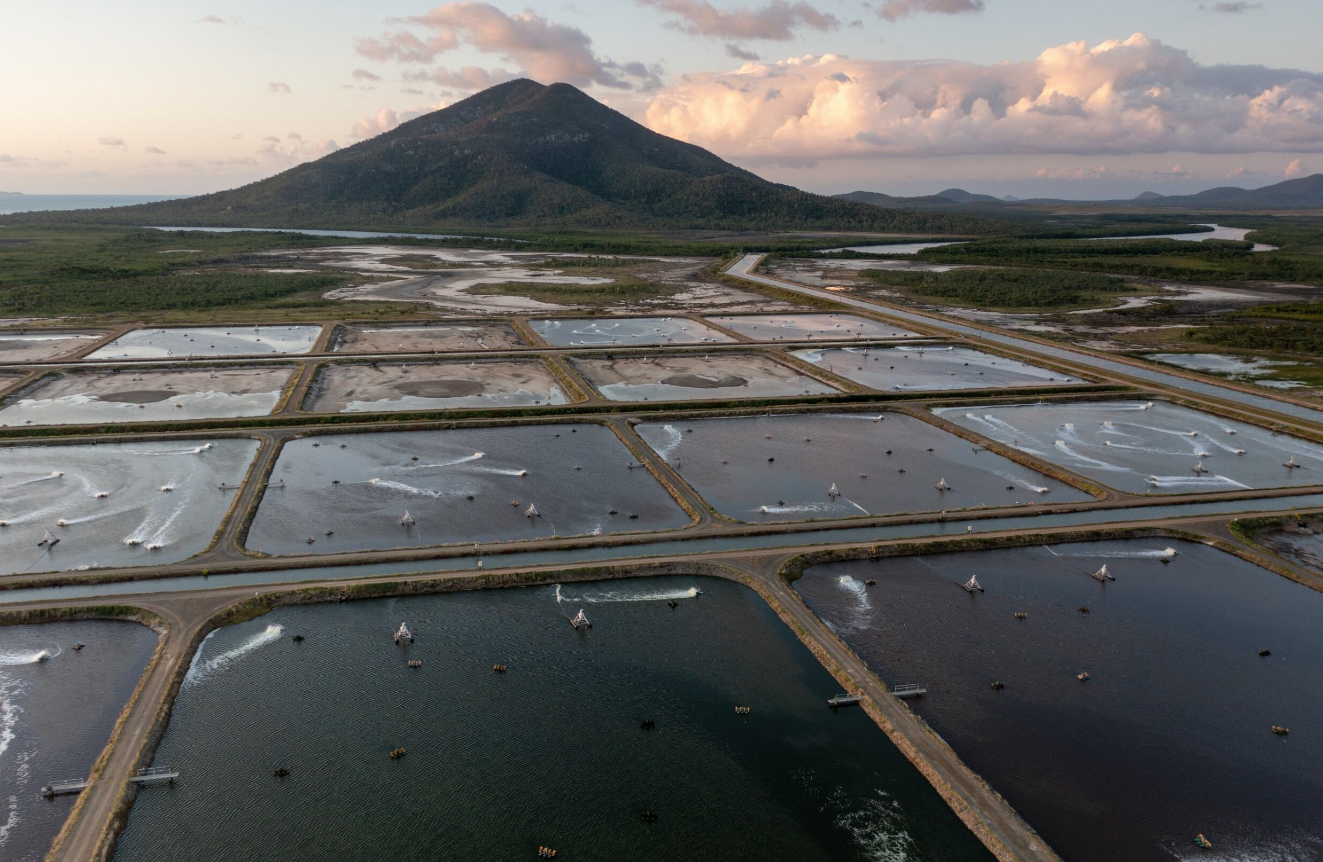
In collaboration with Tassal, we’re exploring how green seaweed (Cladophora) can improve water quality and create circular economy opportunities through biofiltration treatment methods. Following the wet season, seaweed harvesting will begin early next year, followed by trials on dehydration processing methods. These trials will help us better understand the full potential of seaweed as a natural treatment for nutrient-rich effluent while also creating a valuable product for our community.  

Photo courtesy of Tassal

Project 2 – Catchment Sustainability Plan  

We’re building a clear picture of the Proserpine region’s environmental values, pressures, and future risks. This research will inform a Sustainability Plan, with community consultation starting in 2026 to ensure local knowledge shapes the outcomes. The plan will guide practical actions and help secure future funding for environmental work. 

Project 3 – Catchment Treatment Systems  

Planning and approvals are underway for recycle pits designed to reduce the amount of nutrient and sediment-rich water entering local waterways whilst improving irrigation efficiency and water security on participating farms. Early next year, we’ll release an Expression of Interest to engage 10 sugarcane landholders who will receive support to participate.  

Project 4 – AutoWeed 

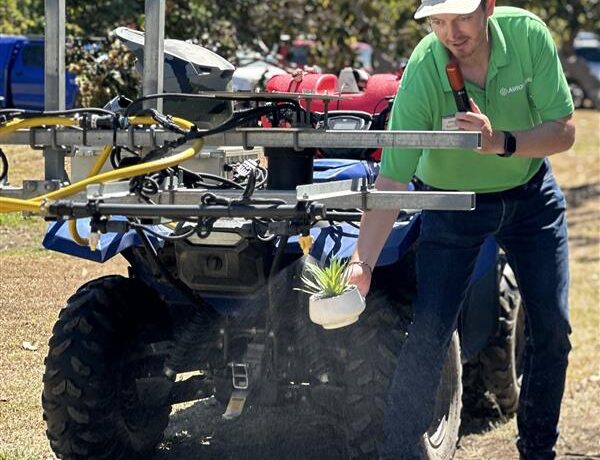
At Reef Catchments’ Annual Grazing Forum, we showcased AutoWeed’s innovative AI-powered spray technology, which targets weeds with precision to cut chemical use and input costs. Trials began in late 2025 to develop a region-specific algorithm for Proserpine’s priority weeds. With farm input costs continuing to rise, this smart approach has the potential to be a real game changer for local growers while significantly reducing pesticide pressures on waterways and our iconic Great Barrier Reef. 

Alex Olsen delivering an AutoWeed demonstration at the 2025 Grazing Forum Field Day

Project 5 – Supporting Practice Change  

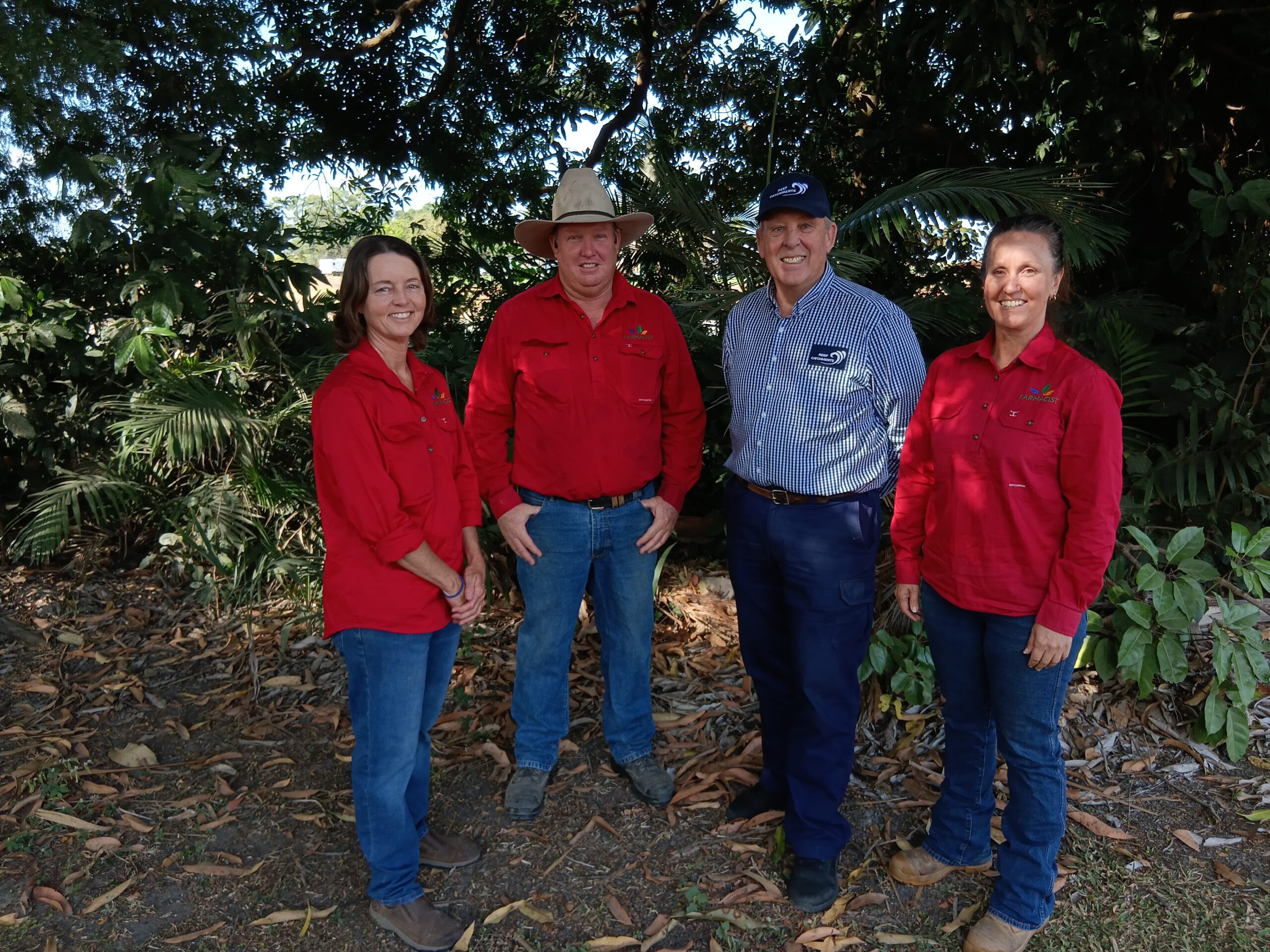
Partnering with expert agronomists – Farmacist, we are onboarding 12 landholders who will be supported through tailored chemical management plans and small financial incentives to upgrade spray nozzles, ultimately improving application efficiency and environmental outcomes.  

Reef Catchments Senior Project Officer (Sustainable Agriculture) Kevin Moore with Farmacist.

Project 6 – Circular Opportunities for the Proserpine System 

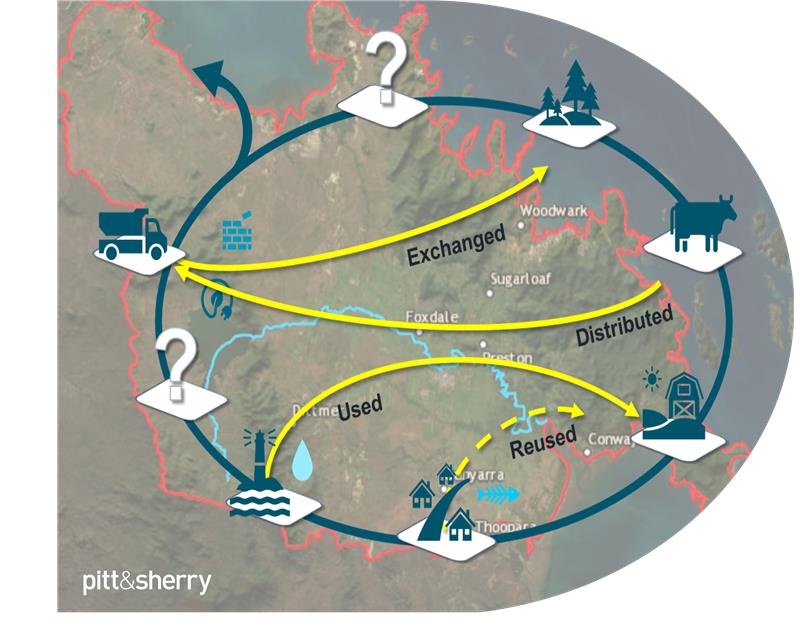
Pitt&Sherry’s Material Flow Analysis helped us identify where key pollutants from sugarcane and aquaculture industries, from within the Proserpine Catchment, are originating from. Thus, enabling us to make informed decision regarding future water quality interventions and allowing us to better target circular-economy initiatives and relevant collaborators. So far, they’ve been gathering data from local industry stakeholders to build a detailed picture of how materials and nutrients move through the region. At the end of the study, Pitt & Sherry will deliver a report highlighting the most effective opportunities for circular solutions that benefit both industry and the environment. 

Circularity Map – Great Barrier Reef, courtesy of Pitt&Sherry.

Project 7 – Natural Capital  

Using Truii’s Natural Capital Suite, a collection of Apps, we’re assessing the environmental, social, cultural, and economic benefits of past projects. This tool will guide smarter planning by modelling future scenarios, prioritising funding and identifying the most cost-effective nature repair programs for the Proserpine Catchment. The Natural Capital project will wrap up in June 2026, providing valuable insights that will help drive stronger, evidence-based outcomes for the region. 

Looking Forwards  

The PIP’s place-based approach and each of these projects are a fundamental step toward protecting the natural assets that support our farms, businesses and way of life in the Proserpine region. By improving water quality, trialling new technologies and building a clearer understanding of how our landscapes function, we’re helping create a more resilient and sustainable future for both the community and the environment.  

With strong local involvement and smart planning tools, the region is well-positioned to attract future investment and deliver long-term benefits for everyone who depends on healthy land and waterways.  

Stay updated with the Proserpine Integrated Project through our website and signing up to our monthly e-newsletter.  

The Proserpine Integrated Project delivered by Reef Catchments is part of the $5.5 million Reef Place-Based Integrated Projects initiative funded through the Queensland Government’s Queensland Reef Water Quality Program. 

Volunteers Get Muddy for Seagrass Restoration

jamie · Dec 9, 2025 · Leave a Comment

When low tides revealed mud flats in the months of August to October this year, something remarkable happened along our coast. Locals came together in the intertidal zone, buckets in hand, ready to help restore one of the most important ecosystems in the Great Barrier Reef region: seagrass meadows.  

These meadows provide food and shelter for marine life, protect our shorelines and play a vital role in reef health. Thanks to the dedication of local volunteers, project partners and the Reef Catchments Great Barrier Reef team, the 2025 seagrass flowering season was a vibrant success. 


Six Events, One Shared Goal

Reef Catchments and project partners hosted six public events across Cannonvale and Seaforth Beaches. Each event gave volunteers the chance to learn, contribute, and see first-hand the life that thrives in these habitats. From tiny critters hiding among the blades to the flowers that hold the promise of new growth, every detail told a story of resilience. 

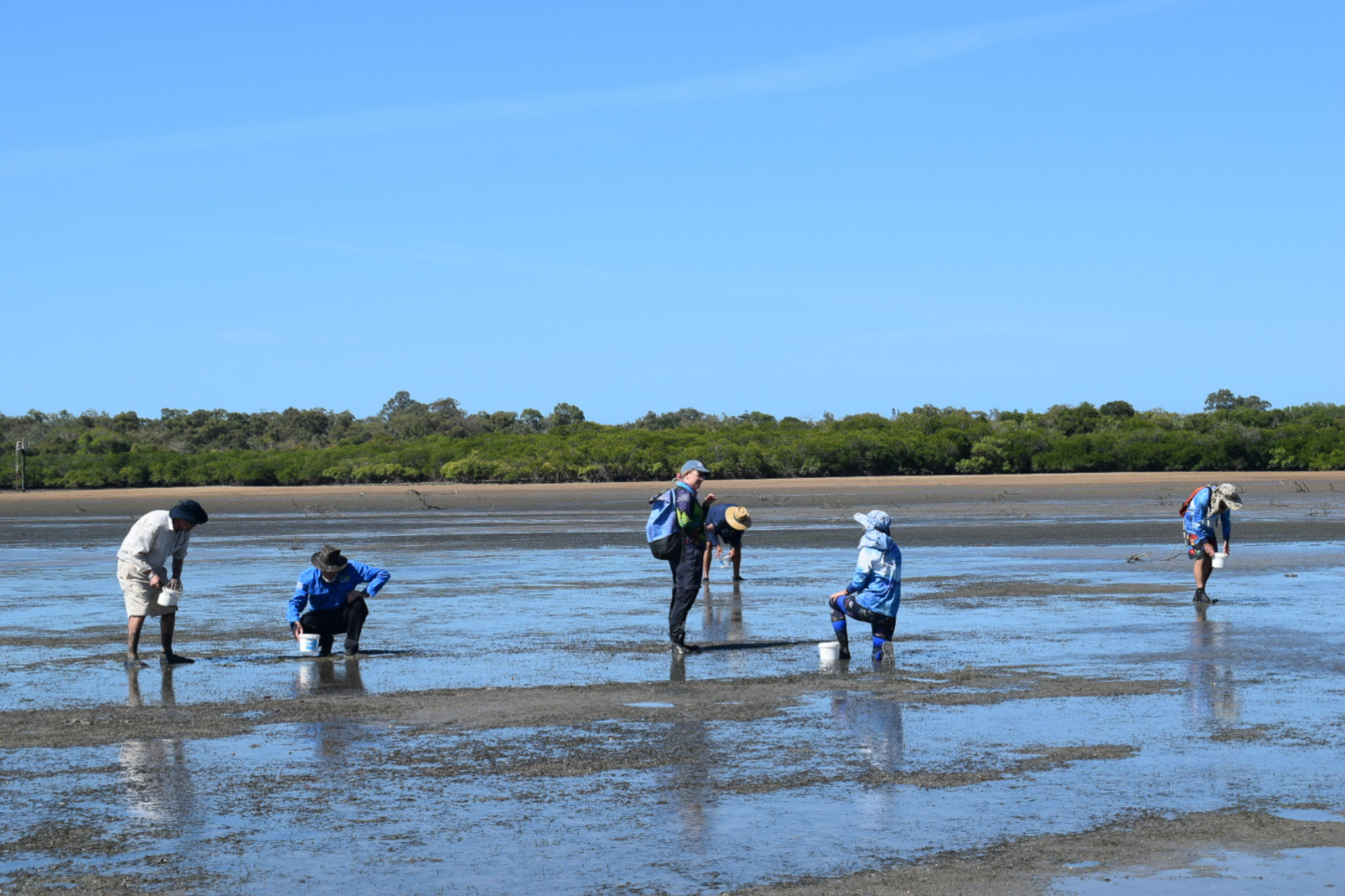
At Cannonvale Beach, Senior Project Officer Morgan Thomas guided volunteers through the process of collecting seagrass flowers and explained why these plants matter. Flowers collected during the events were stored at the Coral Sea Marina nursery, where seeds will be harvested and replanted by Central Queensland University scientists. This work directly supports restoration research in Pioneer Bay. 

Across four Whitsunday events, 38 volunteers contributed 304 hours and collected 7 litres of seagrass flowers. These seeds will help restore Zostera muelleri meadows, strengthening the health of local ecosystems. Feedback showed participants improved their ability to identify seagrass species by 54% and increased their understanding of its role in the environment by 39%. 

Seagrass volunteers at Pioneer Bay, Cannonvale


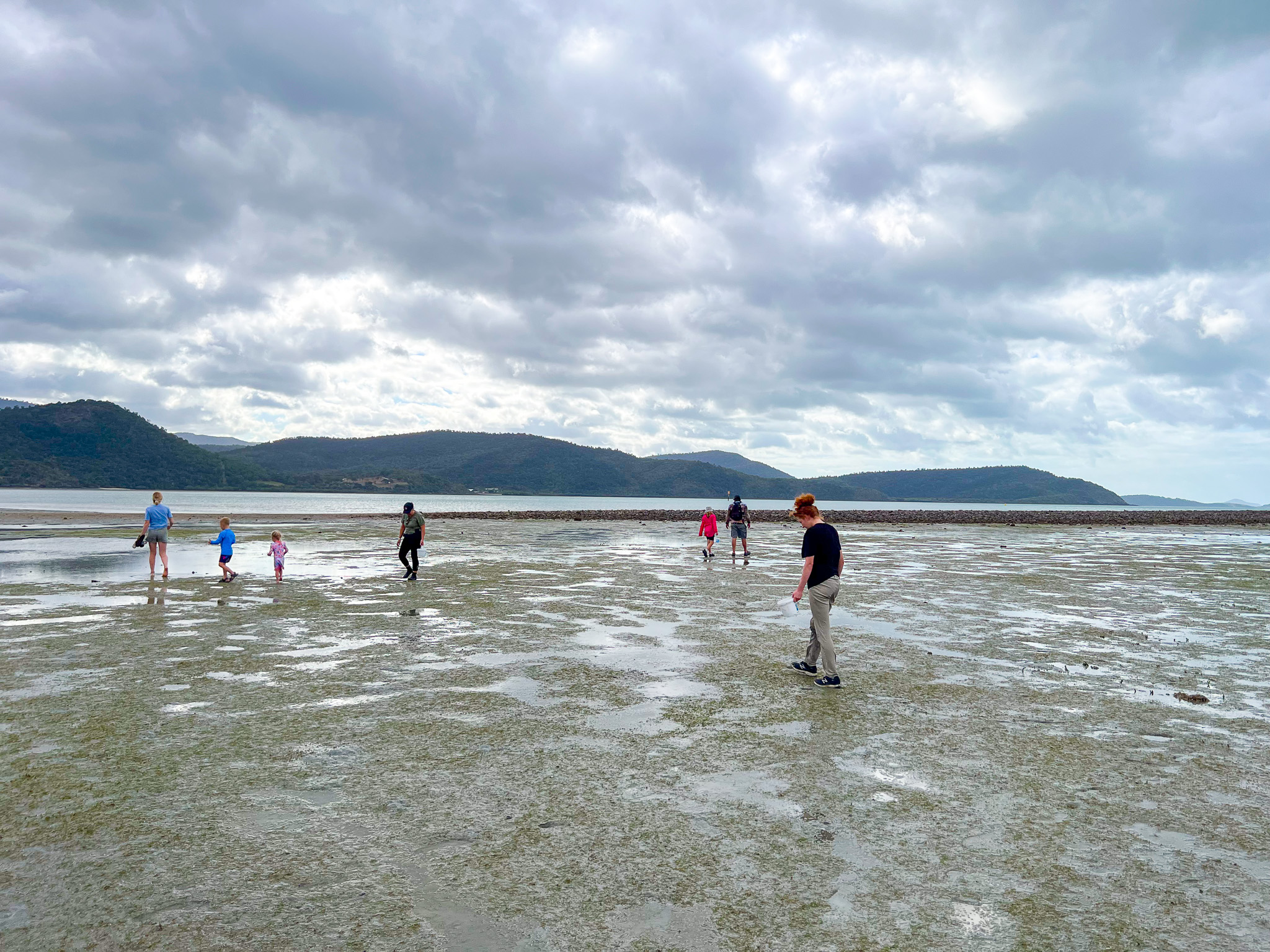
At Seaforth Beach, Project Officer Alexandra Williams worked alongside Yuwi Aboriginal Corporation Rangers to launch new restoration activities. Volunteers began the day with an Introduction to Country from Bronwin Tonga, who shared cultural knowledge about seagrass. This connection between science and culture added depth to the experience. 

A total of 22 volunteers collected 5 litres of seagrass flowers and contributed plants for the expanded Coral Sea Marina nursery. These plants are thriving, and the tanks have even attracted sea hares. Knowledge gains were significant, with a 114% increase in species identification skills and an 18% improvement in understanding seagrass importance. 

Seagrass volunteers at Seaforth Beach


Critter Encounters: The Hidden Life of Seagrass Meadows

Every time volunteers stepped into the mud, they discovered more than flowers. Beneath the surface, seagrass meadows revealed a bustling community of creatures, each playing a role in keeping this ecosystem healthy: 

  • Blue Swimmer Crab – Quick and agile, these crabs darted between the blades, feeding on fish, molluscs, and decaying plant matter. Their work helps recycle nutrients and keep the meadow balanced.
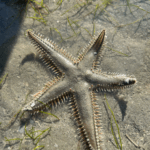
  • Comb Sea Star – Spiky and secretive, this sea star hides just under the sand, emerging at night to hunt small invertebrates. It’s a quiet predator that helps maintain diversity. 
  • Snails and Sand Collars – Tiny grazers keep seagrass blades clean by feeding on algae and decaying material. Their sand collar egg masses, curled like sandy bracelets, protect hundreds of developing embryos—future caretakers of the meadow. 
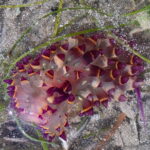
  • Nudibranch – A jewel among the grasses, this delicate species flashes purple-tipped cerata edged with yellow. It grazes on bryozoans, adding colour and character to the underwater world. 
  • Tube Anemone – Anchored deep in the sediment, its flowing tentacles wave gently to capture plankton, cycling nutrients through the ecosystem. 
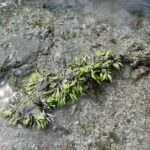
  • Coraline Algae – Standing like tiny green clubs among the blades, these algae help stabilise sediments and maintain healthy meadows. 
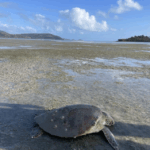
  • Green Turtle – A gentle grazer gliding through the meadow, trimming seagrass blades to encourage new growth and shape the habitat for countless smaller species. 
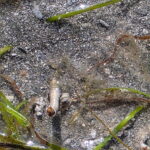
  • Tube Worms and Brittle Stars – Often overlooked, these small creatures filter water and clean the seafloor, quietly supporting balance and productivity. 
Tube Worm
Nudibranch
Brittle Star
Coraline Algae
Green Turtle
Sand Collars
Comb Sea Star
Snail
Blue Swimmer Crab
Tube Anemone

The Ripple Effect of Community Action

Every flower collected and every hour spent in the mud is a step toward a healthier coast. These efforts fuel seagrass restoration science, strengthen seagrass meadows and protect the marine life that depends on them – from tiny snails to green turtles. Strong meadows mean stronger shorelines and a more resilient Great Barrier Reef.  

Thank you to everyone who rolled up their sleeves and made this season a huge success. 

Seagrass restoration and research in the Whitsundays is delivered by CQ University, Reef Catchments, and OzFish Unlimited in partnership with the community. The project is funded by the Great Barrier Reef Foundation’s Reef Islands Initiative, which is supported by Lendlease, the Australian Government’s Reef Trust, the Queensland Government, and the Fitzgerald Family Foundation. The Scaling SeaGrow project is funded by the DCCEEW Reef Trust, and led by the Great Barrier Reef Foundation, with CMERC as science lead and Reef Catchments as the Whitsundays local coordinator.  

Resilient Catchments Register

Share your knowledge. Register your idea. Shape the future of our land, sea and waterways.

Register now

Get to know us better

You’ll receive our monthly newsletter containing updates on events and workshops, community activities and information about how our projects are helping our regional environment and communities.

  • This field is for validation purposes and should be left unchanged.

© 2026 Reef Catchments · All rights reserved · Site by the dma

  • Disclaimer
  • Privacy Policy
  • Sitemap
  • Contact
  • Disclaimer
  • Privacy Policy
  • Sitemap
  • Contact
Reef Catchments would like to acknowledge the Traditional Owners, past and present, on whose land, sea and waters we work. We acknowledge their enduring spiritual and cultural connection and their responsibility as First People to maintain and care for Country.
While every effort is made to maintain a culturally respectful resource; Aboriginal and Torres Strait Islander people are advised that this website may contain images, voices and names of people who have passed away.