
Local landholder Judy Langdon has witnessed first-hand the long-term benefits of habitat restoration, with koalas and other native wildlife now thriving in areas of Plane Creek where they were once rarely seen. After first becoming associated with their property in 1979, Judy never expected that decades later koalas would become a regular sight along Plane Creek.
“I first became associated with the ‘Waterlot’ property in 1979, when it was a cane farm. I do not remember seeing any koalas along Plane Creek back then,” Judy said.
After leaving the property around 2000 and returning in 2020, she was struck by the transformation.
“One of my first observations when I returned was the increased fauna living on the property,” Judy said.
“Jack Langdon extensively revegetated the boundary along Plane Creek, which resulted in improved habitat for native animals. Wallabies are now regular visitors around the home, and koalas have been sighted on most sections of the property.”
The change reflects years of revegetation and habitat improvement along the Plane Creek corridor. For Judy, those wildlife sightings are a powerful reminder that restoration is an investment in the future.
“We are trying to preserve and improve the habitat so that they can survive and thrive. We love our little patch of paradise.”
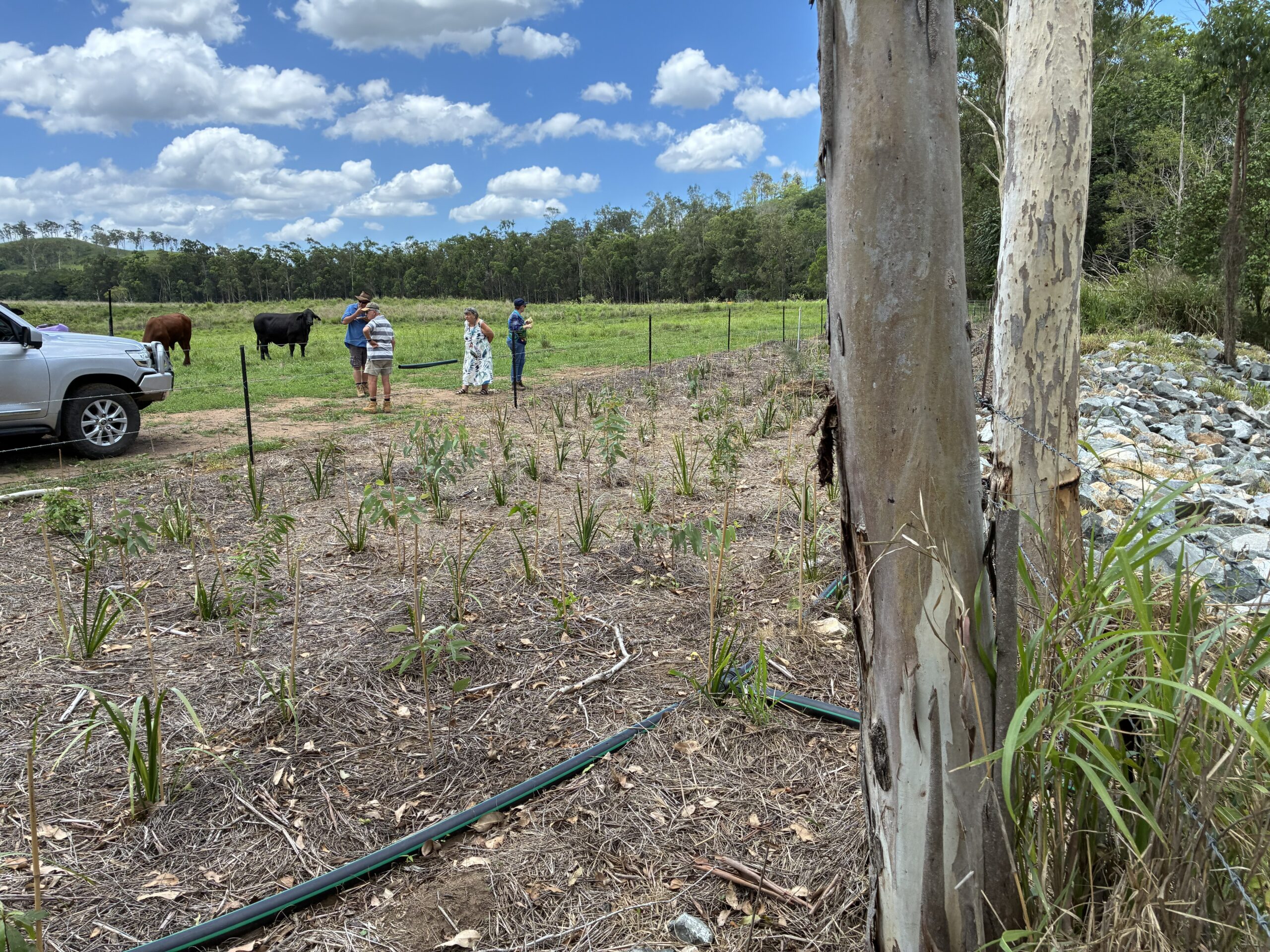
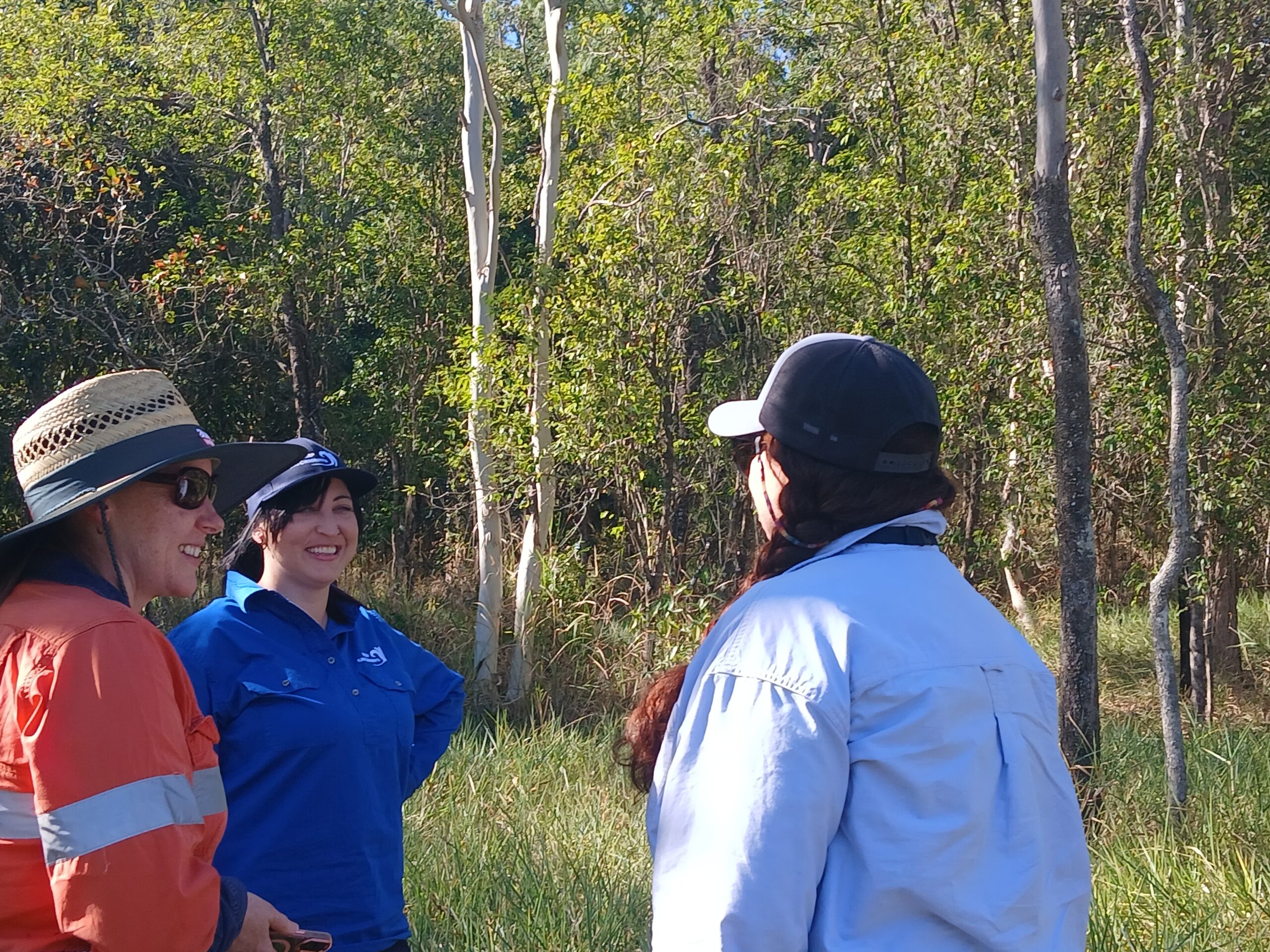
Pictured: Reef Catchments, contractors and Judy inspecting previous revegetation works along Plane creek, completed as part of the Sarina Koala Habitat Restoration program.
Judy’s experience reflects the broader goals of Reef Catchments’ Improving Koala Habitat and Connectivity project, which will improve the condition and extent of koala habitat across 57 hectares throughout the Mackay Whitsunday Isaac region, all while surveying a further 24 hectares of threatened species habitat. By combining on-ground restoration activities such as revegetation, weed control and habitat improvement with targeted koala surveys, the project is helping to create healthier landscapes while building the knowledge needed to guide future conservation efforts.
Legacy of Habitat Restoration
When Reef Catchments called for landholders to participate in the Improving Koala Habitat and Connectivity project, Judy was eager to get involved.
“We already knew we had an existing koala population, and lantana was growing on the slopes, so any assistance with its control was appreciated,” she said.
“Extensive clearing of invasive understorey plants enhanced the ability of native animals to navigate their way through the native vegetation.”
A previous Reef Catchments project has also supported restoration works along a section of Plane Creek impacted by Cyclone Debbie, where severe erosion damaged the creek bank and washed away mature gum trees.
“Koalas were regularly spotted along a section of Plane Creek where Cyclone Debbie had caused extensive erosion to the bank,” Judy said.
In 2025, as part of a previous koala habitat project 1,350 plants were installed above and below a rock toe, to replace lost habitat and reinforce the bank to protect existing habitat.
“Reef Catchments funding was provided to reinforce the bank with rocks and revegetate the section where the gums had washed away. Although still in its infancy, these plants are growing well and will make a huge difference to the quality of the native flora along this section of Plane Creek,” Judy said.
While the revegetation is still establishing, the works are helping rebuild habitat and strengthen an important wildlife corridor along Plane Creek.
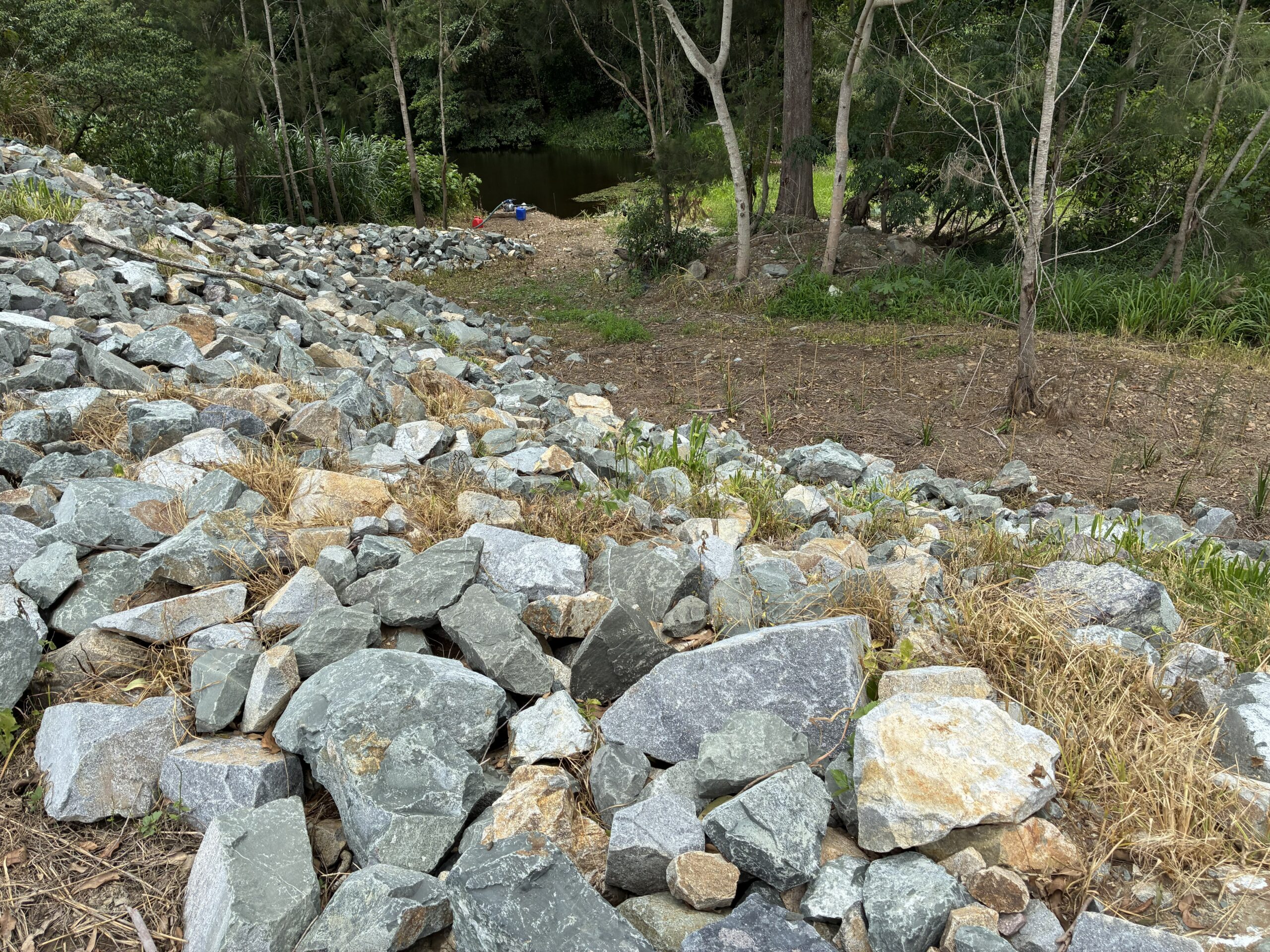
Pictured: Plane Creek stabilisation works completed under the Sarina Koala Habitat Restoration program, funded by the Australian Government.
Promising Findings for Koalas and Biodiversity
To better understand how koalas are using restored and remnant habitat across the region, Reef Catchments recently undertook a targeted koala survey on the Waterlot property as part of the Improving Koala Habitat and Connectivity project.
Conducted along Plane Creek, approximately five kilometres southwest of Sarina, the survey was led by Reef Catchments Biodiversity Project Officer Nikki Sharrock and Senior Biodiversity Project Officer Carlos Bueno, alongside Charley Geddes, Owner and Manager of Koala EnviroSciences, and ecologist Vanessa Boettcher.
Using nationally recognised National Koala Monitoring Program methodologies, the team surveyed two 1.25-hectare plots, searching for evidence of koala activity during the day before returning after dark to conduct spotlight surveys.
The findings reinforced what Judy and her family had been observing on the property.
Signs of koala activity were recorded across both survey sites, including scat and claw marks on several trees, confirming koalas are actively using the area. At the second site, the survey team’s efforts were rewarded with the sighting of a mature koala in a Queensland peppermint tree.
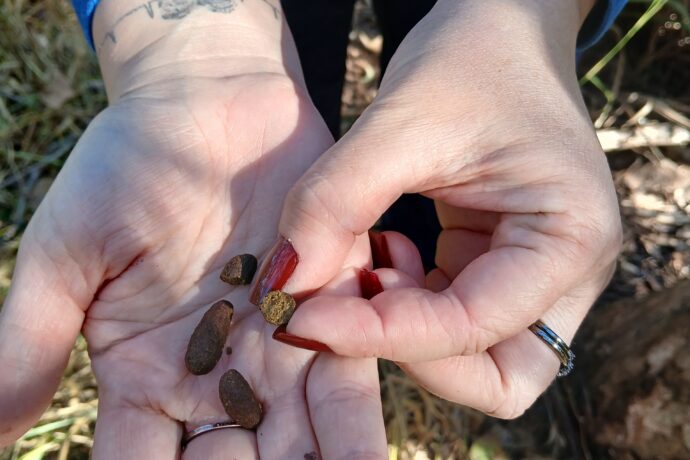
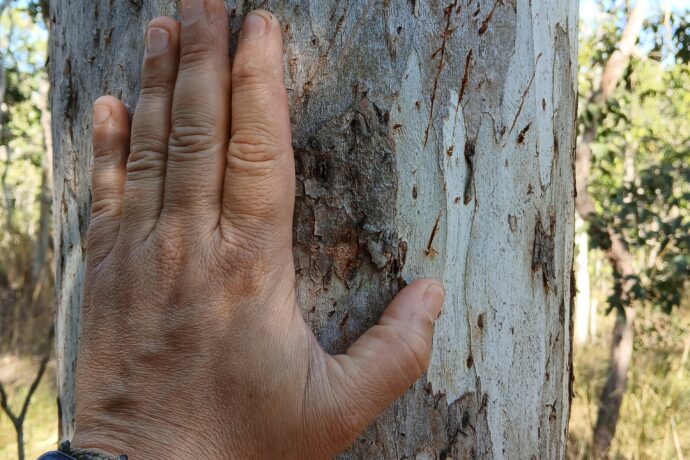
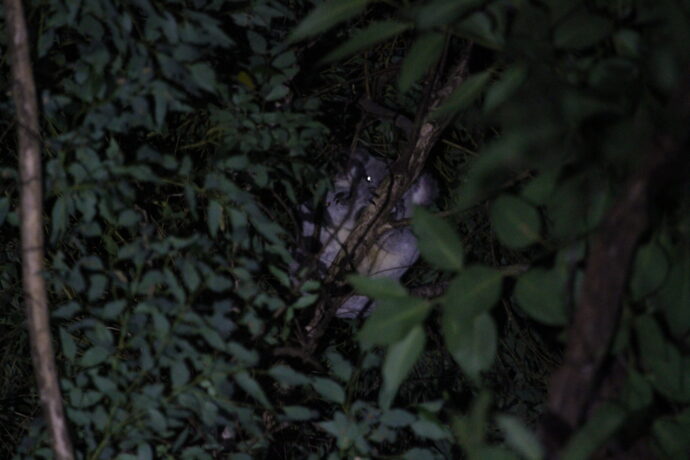
Pictured (left to right): Koala scatt, Koala claw marks on tree, mature Koala spotted during survey
“Finding a mature koala during the night survey was an exciting result and confirmed that koalas are actively using habitat along this section of Plane Creek,” said Charley Geddes.
“Just as importantly, we found evidence of koala activity across both survey sites. Every observation helps build our understanding of how koalas are using the landscape and contributes valuable data to national monitoring efforts.”
For Senior Biodiversity Project Officer Carlos Bueno, the highlight came almost immediately.
“Sometimes wildlife surveys require a lot of patience, but this was one of those memorable moments,” said Carlos.
“We’d barely arrived at the site before spotting a koala. To see one so quickly was incredibly rewarding and reinforced the value of the habitat restoration work that’s been undertaken in the area.”
The property’s biodiversity values were also evident, with eastern tube-nosed bats, a juvenile brown goshawk, squirrel gliders and possums recorded during the survey.
“Seeing such a diverse range of wildlife throughout the survey was a wonderful reminder of what’s possible when habitat is given the chance to thrive,” said Biodiversity Project Officer Nikki Sharrock.
“It’s exciting to see these areas supporting not only koalas, but a whole community of native species.”
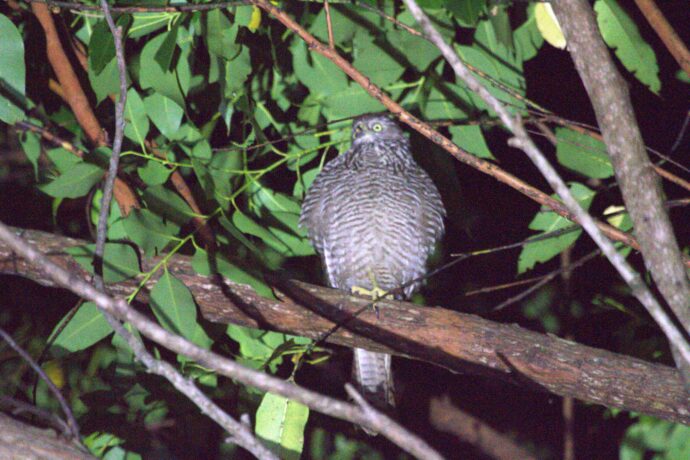
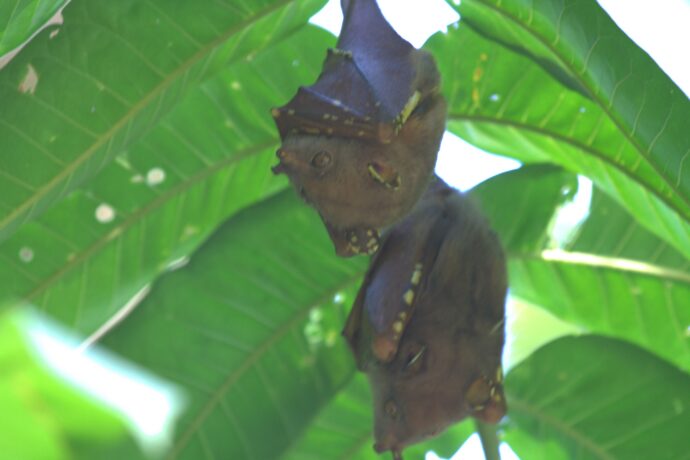
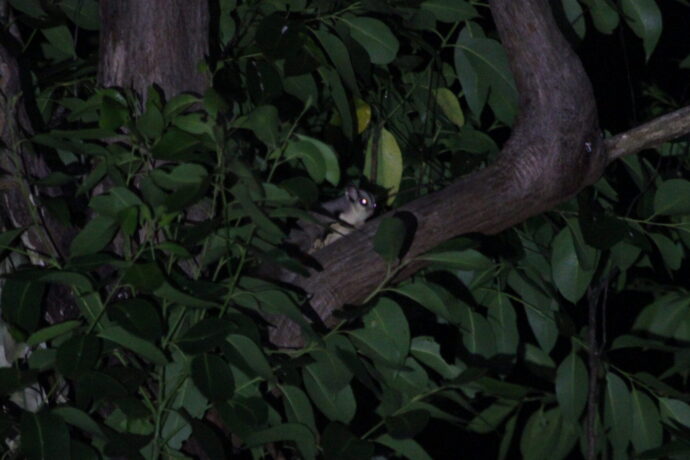
Pictured (left to right): Juvenile brown goshawk, Eastern tube-nosed bats, Sugar glider.
Every observation collected during the survey was recorded using CSIRO’s Koala Counter app and will contribute to the National Koala Monitoring Program, helping to strengthen understanding of koala populations across the country.
“The survey provides an important snapshot in time, but its value extends far beyond a single sighting,” said Carlos.
“Every record collected helps strengthen our understanding of koalas in the region and ensures future restoration efforts are guided by both local knowledge and robust scientific data.”
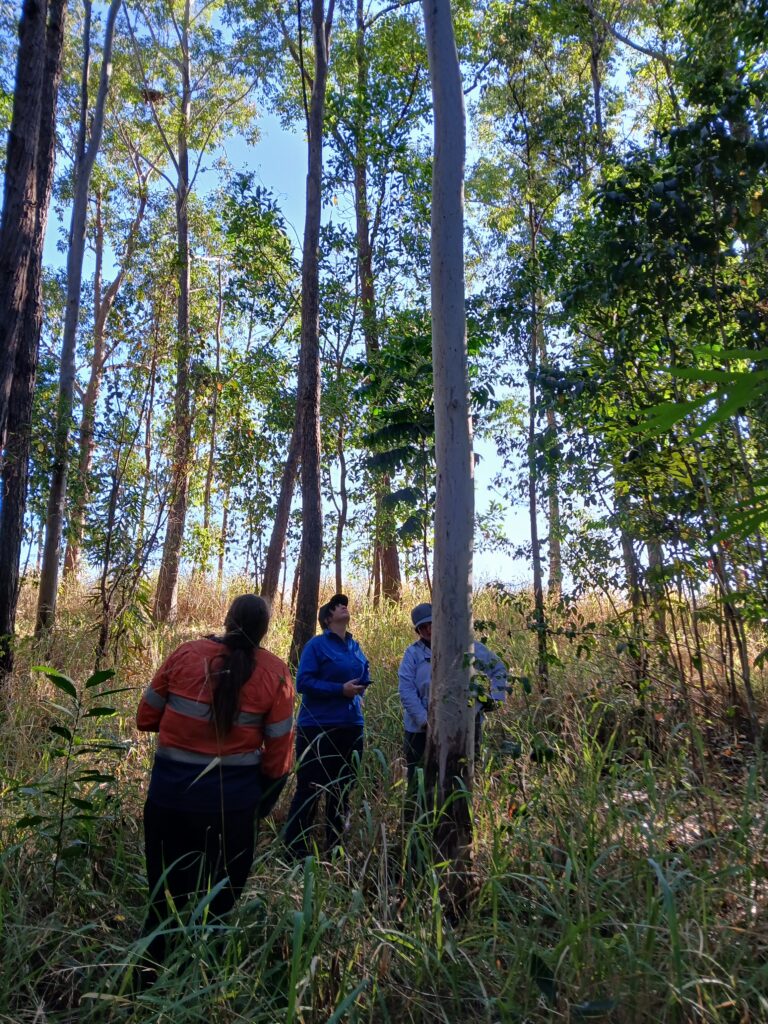
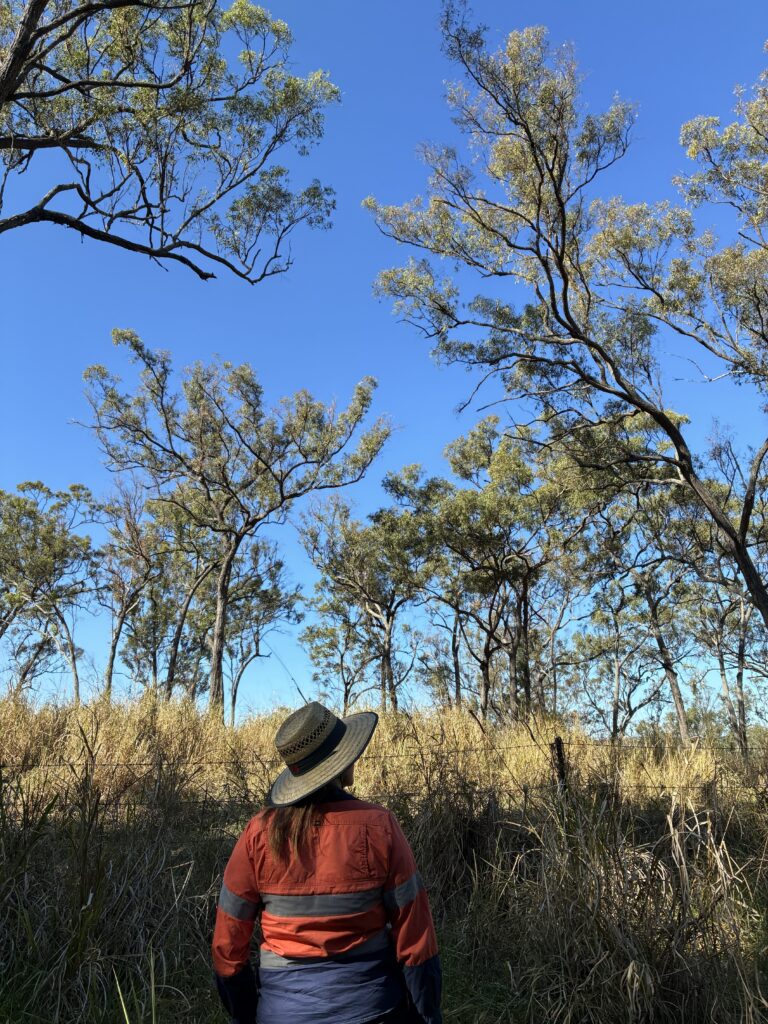
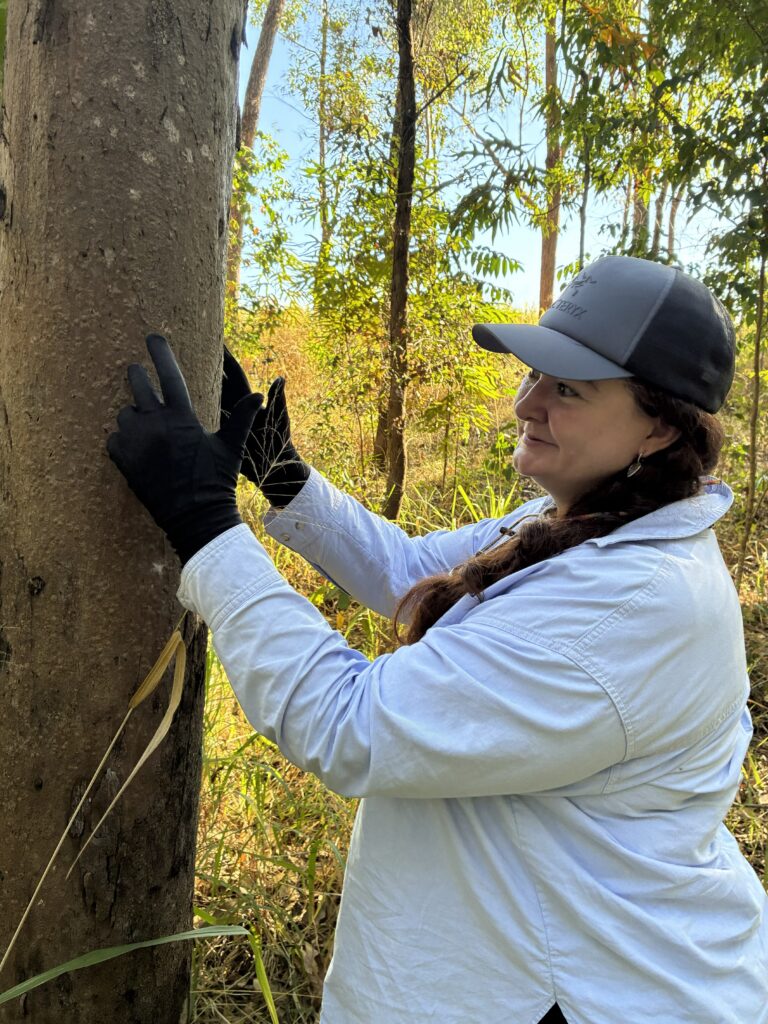
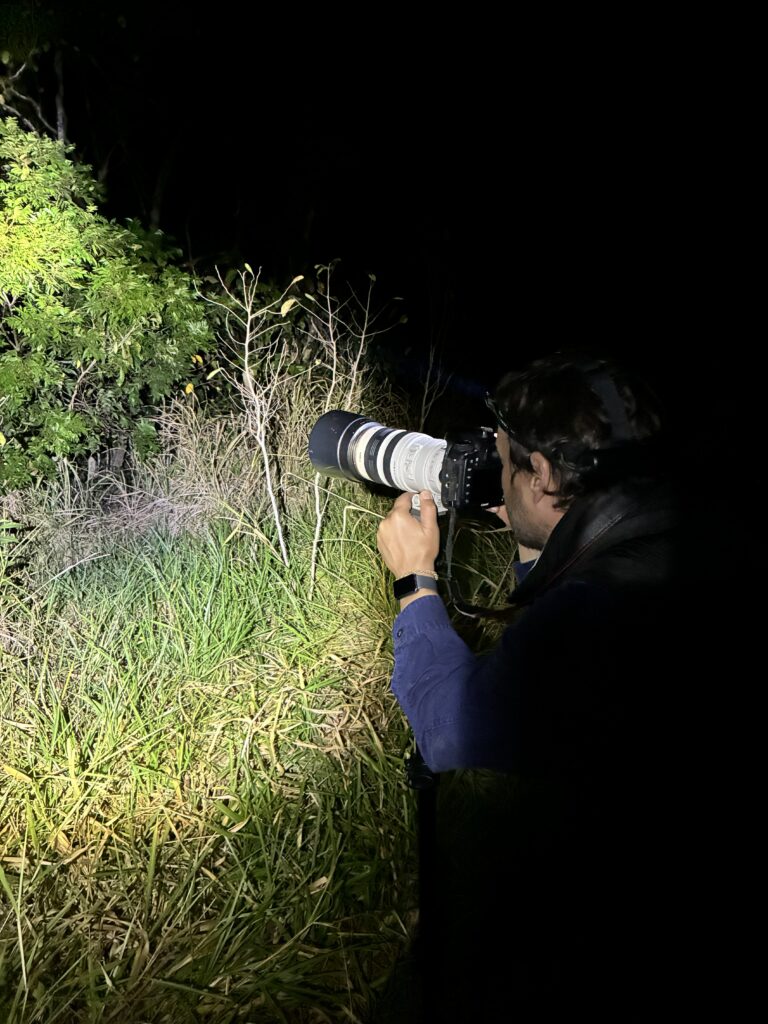
Pictured: Survey action shots
Combined with training delivered to Traditional Owners, Landcare groups and Reef Catchments staff earlier this year, the project is building both the knowledge and local capability needed to support future habitat restoration efforts.
For Judy, the sighting of a koala on a property where she once saw none is a powerful reminder of what long-term stewardship can achieve. For Reef Catchments, it demonstrates how habitat restoration, landholder partnerships and scientific monitoring can work together to create healthier landscapes, strengthen biodiversity and build a lasting legacy for koalas and other native wildlife across the region.
This project is funded by the Queensland Government Natural Resource Management Expansion Program (NRMEP).
