• Skip to primary navigation
  • Skip to main content
Reef Catchments Three Colour PMS
  • About
    • Annual reports
    • CEO’s Message
    • Board members
    • Our team
    • Careers
    • Partners
    • Queensland NRM Network
    • Strategic plan
    • Become a member
    • Update your contact details
  • Projects
    • Sustainable Agriculture
    • Waterways
    • Biodiversity
    • Great Barrier Reef
  • 2027 NRM Plan
  • News
    • Articles
    • Newsletters
    • Media releases
    • Citizen Science Calendar
  • Events
  • Resources
    • Regional Water Quality Strategy
    • Species, ecosystems & pests
  • Get involved
  • Careers
  • Contact us
×
  • About
    • Annual reports
    • CEO’s Message
    • Board members
    • Our team
    • Careers
    • Partners
    • Queensland NRM Network
    • Strategic plan
    • Become a member
    • Update your contact details
  • Projects
    • Sustainable Agriculture
    • Waterways
    • Biodiversity
    • Great Barrier Reef
  • 2027 NRM Plan
  • News
    • Articles
    • Newsletters
    • Media releases
    • Citizen Science Calendar
  • Events
  • Resources
    • Regional Water Quality Strategy
    • Species, ecosystems & pests
  • Get involved
  • Careers
  • Contact us
Hide Search

Archives for August 2026

New technology slashing weed management time along the Pioneer River 

jamie · Aug 28, 2026 · Leave a Comment

If you’ve driven into Mackay city along the Bruce Highway recently, you’ve probably admired the blue waters of the Pioneer River.  

Look a little closer – to your left. Along sections of the riverbank, you will see a dense forest of invasive species choking native mangroves and saltmarshes, and preventing these important coastal ecosystems from thriving. 
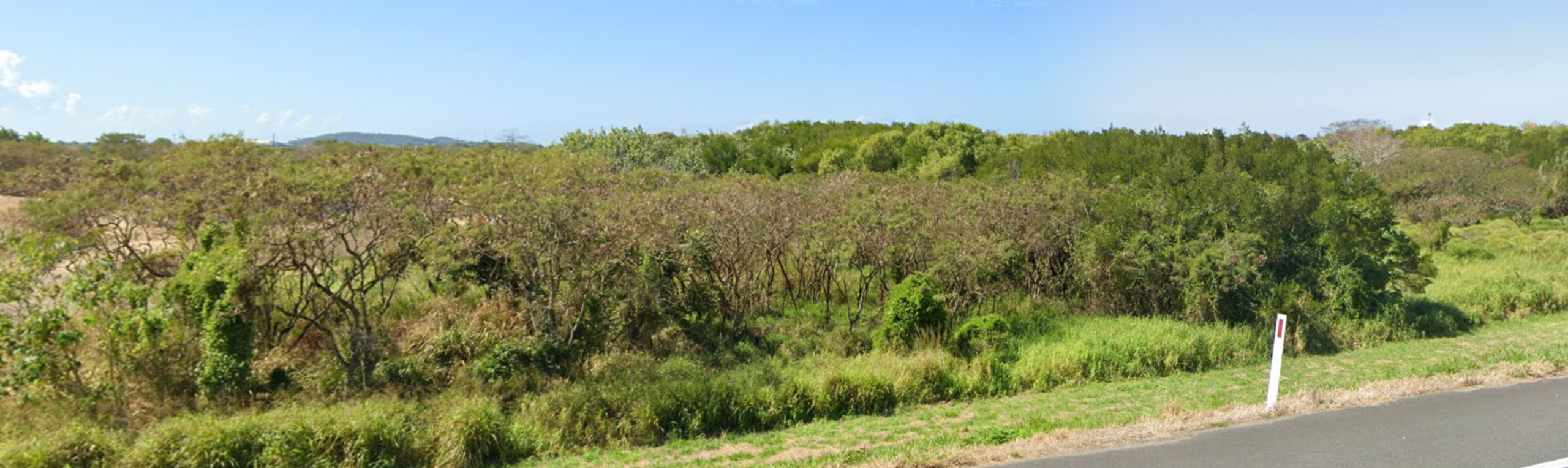
Google maps street view, looking from the highway across the banks of the Pioneer. 


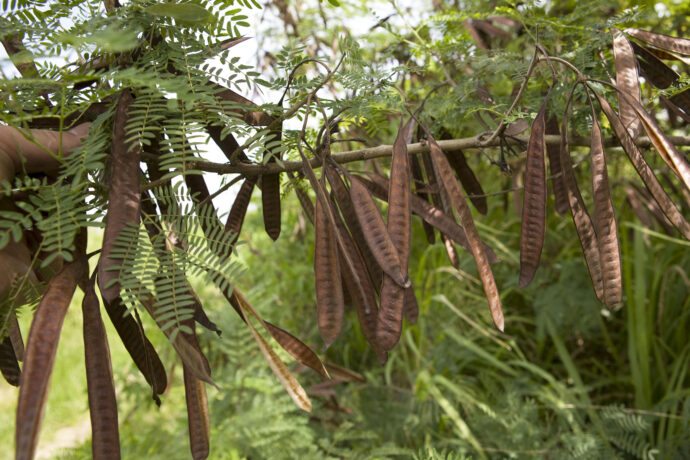
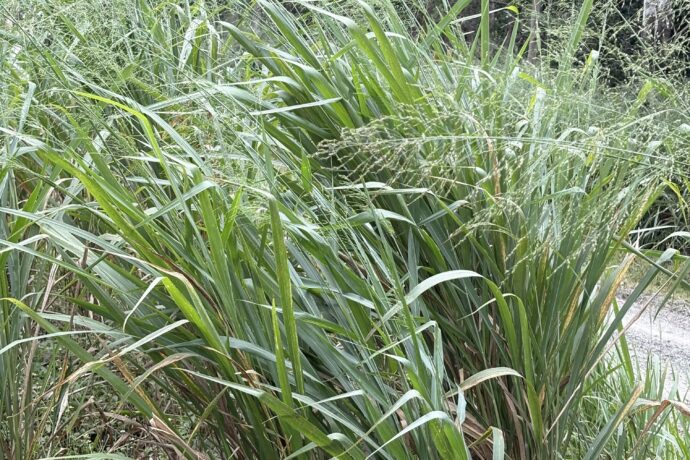
Reef Catchment’s Great Barrier Reef team has begun weed control works along the Pioneer River, targeting Singapore daisy, Leucaena and Guinea grass. These invasive species outcompete native vegetation, degrade habitat and limit the natural regeneration of important native species, such as the river mangrove. 

“Coastal habitats are in trouble from both sides,” says Reef Catchments Great Barrier Reef Manager, Cass Hayward. 

“Rising sea levels push in from the coast, and development and agriculture press out from the land. This phenomenon is called coastal squeeze. Here at the Pioneer River, we can ease the pressure by removing weed barriers, allowing the saltmarsh and mangroves room to spread, recover and breathe again.”  
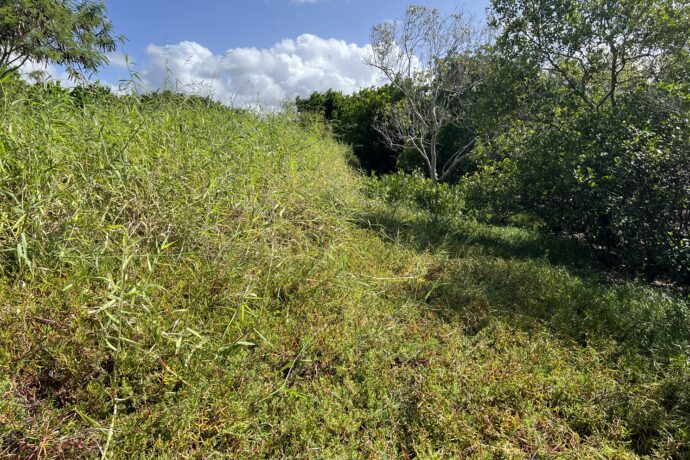
Mangroves and saltmarsh meet weeds along the Pioneer River.

Just weeks into the works, the difference is already visible. What was once a blanket of weeds is beginning to reveal the native ecosystem underneath, with juvenile mangroves and saltmarsh plants uncovered in areas that had been smothered by weeds for years. 

Since June, contractors Ranges to Reef Environmental Services, have been carrying out the initial knockdown of these target species. Guinea grass infestations have been slashed, Leucaena trees have been drilled and treated with chemical, and Singapore daisy has been removed by hand from the site.  
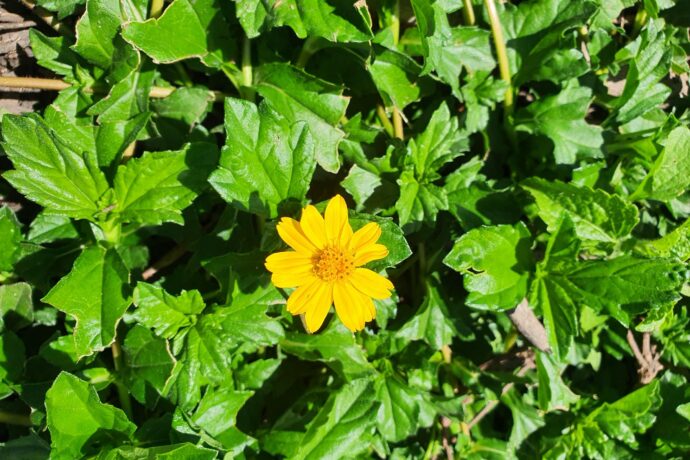
Singapore daisy
Leucaena tree with brown seed pods dangling off branches
Leucaena
Bushy guinea grass
Guinea grass

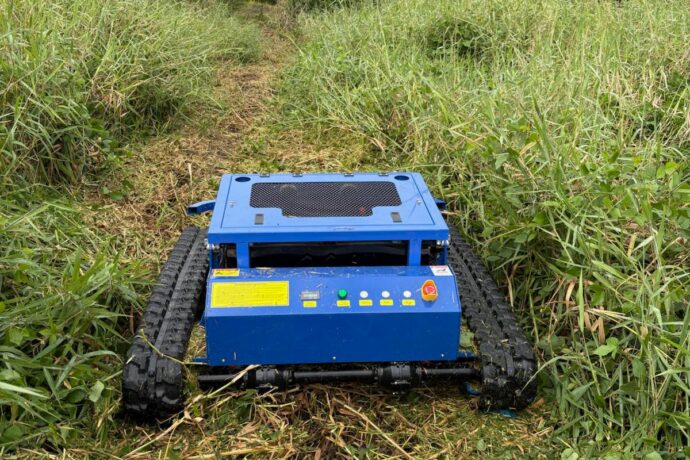
But there is something new and exciting about the approach: We are being assisted by a robot! 

A key factor in the success of the project has been the use of new technology: a hybrid remote-controlled vegetation mower capable of operating on slopes of up to 50 degrees. This technology has allowed contractors to safely and effectively access challenging areas while minimising disturbance to the surrounding saltmarsh environment.  
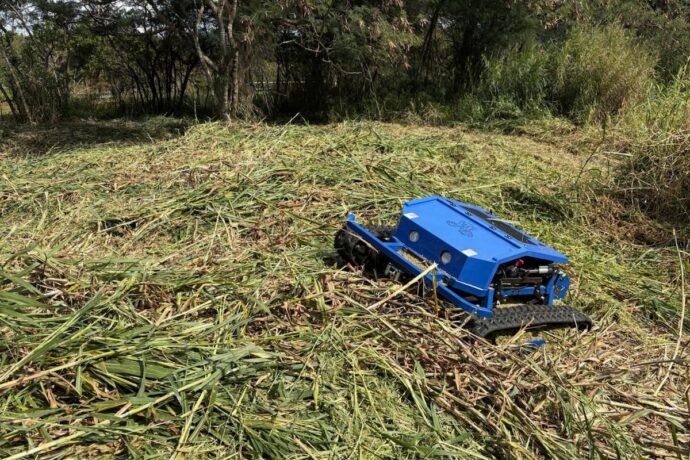
Hybrid remote-controlled vegetation mower 

The results have been remarkable. In fact, Ranges to Reef estimate that what would have taken multiple days of staff time, took six hours with the robot.   

 “Our remote mower does the work of 10 people on brushcutters and can manoeuvre through tight vegetation and work on slopes of up to 45 degrees” says Ranges to Reef Environmental Services’ Alf Vary. 

Importantly, the time saved from this approach has allowed crews to focus on the detailed restoration work that machines can’t do. Instead of spending days tackling dense Guinea grass infestations, staff have been able to invest more time hand-weeding around native mangroves and saltmarsh, reducing non-target impacts and improving restoration outcomes. 

 The transformation following initial weed control has been significant. We can already see the native species beneath, including juvenile mangroves that were previously struggling to grow under thick mats of Guinea grass. 
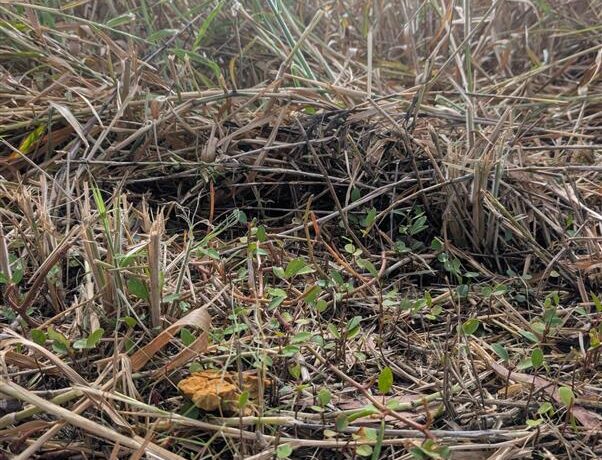
Juvenile milky mangroves visible under Guinea grass mat.

While the initial weed knockdown marks a significant milestone, it is only the beginning of our work at the Pioneer River site. Reef Catchments will continue weed management, revegetation works and maintenance at the site for at least 12 months to support long-term recovery and reduce the likelihood of weeds returning.  

See pictures before and after the initial weed knockdown efforts!  

By combining innovative technology with targeted ecological restoration, the Inshore Resilience Project is accelerating recovery of the Pioneer River’s coastal wetlands, helping native mangroves and saltmarsh reclaim areas previously dominated by invasive weeds. Our impact will be measured through vegetation condition assessments, or ‘VegCATs’ and we look forward to quantifying the outcomes of this work. 

This work is part of the Inshore Resilience project, delivered by Reef Catchments in partnership with Earthwatch. The Inshore Resilience project is funded through the Queensland Government’s Natural Resource Management Expansion Program. 

Reef Catchments logo and Queensland Government logo


A New 10-Year Roadmap for Water Quality in the Mackay Whitsunday Region

jamie · Aug 26, 2026 · Leave a Comment

Reef Catchments has released the Mackay Whitsunday Regional Water Quality Strategy 2025–2035, along with the technical Synthesis Report behind it and a summary flyer covering the key points. All three are now available under the resource section of our website. 

The Strategy sets out how we can improve water quality across our region’s four catchments over the next decade, guided by three goals: improved water quality, resilient landscapes and empowered communities. It was developed with C2O Consulting and the University of Queensland, drawing on strong science and input from local landholders, industry and Traditional Owners. 

Our region covers just 2% of the Great Barrier Reef’s catchment area, but punches well above its weight: 20% of the Reef’s coastline, over 500km² of seagrass meadows, more than 3,000km² of coral reef, and nationally significant wetlands including Goorganga Plains. What happens on our land has a real and measurable effect on the Reef. 

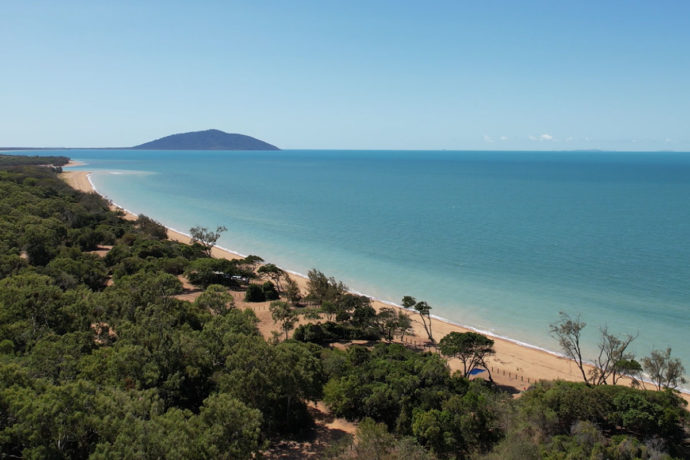
Coastal Priorities - Aerial photo of coastline with beaches and islands
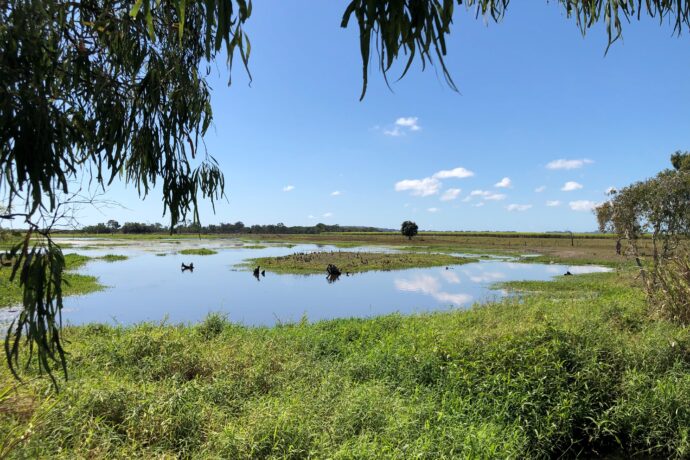
view over wetlands
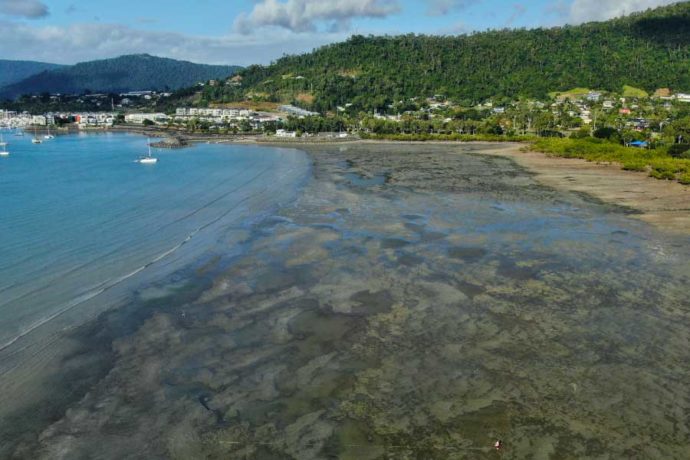
Seagrass at Pioneer Bay Queensland

That’s why this Strategy is designed to align with the Queensland and Australian governments’ Reef 2050 Catchment Water Quality Strategy –  the reef-wide plan that our region’s efforts feed into. Progress across the whole Reef is tracked through the Reef Water Quality Report Card, released just this month, and work including the streambank repair, revegetation and sustainable farming practices in our own Strategy are part of what drives reef-wide results. 

Whether you are a landholder, a local council, an industry group or just someone who cares about this region, there is a role for you to play. Read the full Strategy, the Synthesis Report, or the short summary version to find out where your part fits in. 

Additional Investment Expands Cattle Creek Restoration Effort

jamie · Aug 24, 2026 · Leave a Comment

For years, landholders along Cattle Creek have watched productive farmland disappear as floodwaters carved into unstable streambanks, with every major weather event leaving behind fresh scars on the landscape. Now, an additional $2 million investment will expand restoration efforts along the waterway, enabling Reef Catchments to deliver works at more priority erosion sites and build on the progress already underway through the Queensland Government’s Natural Resource Management Expansion Program. 
Minister for Natural Resources and Mines Dale Last said the funding was delivering targeted investment and empowering experts to restore Queensland’s natural assets.  

“Cattle Creek has been subject to countless major weather events, and the community has been left to deal with the damage from flash flooding and cyclones over the years,” Minister Last said.   

“We know the best way to safeguard Cattle Creek against future weather events is by investing in preventative measures to stabilise the riverbank and reduce active erosion. This funding equips Reef Catchments Natural Resources Management group to deliver a coordinated approach with local landholders to restore and maintain the health of the creek. Delivering targeted, on ground investment through local groups who understand the landscape means the people who know the region best can use local knowledge to restore the region’s beauty.”     

Reef Catchments Chief Executive Officer Katrina Dent said the additional funding was a significant win for local landholders and the wider Pioneer Valley community. 

“This investment represents a significant turning point, transforming a long-standing community concern into meaningful action on the ground. For local landholders, this project is about safeguarding productive farmland, supporting local industries and ensuring future generations inherit a healthier, more resilient landscape.”

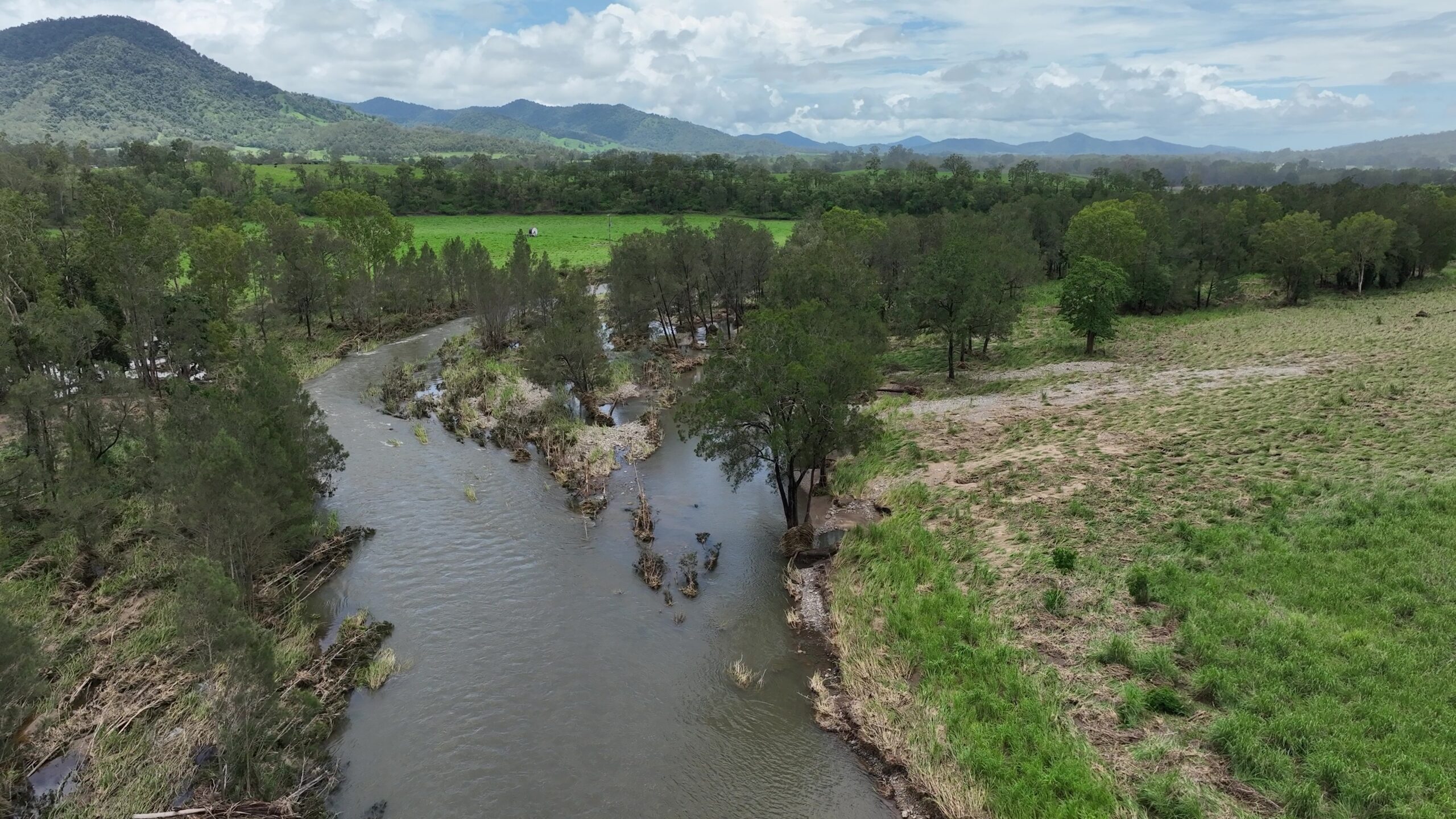
Image of erosion at Cattle Creek


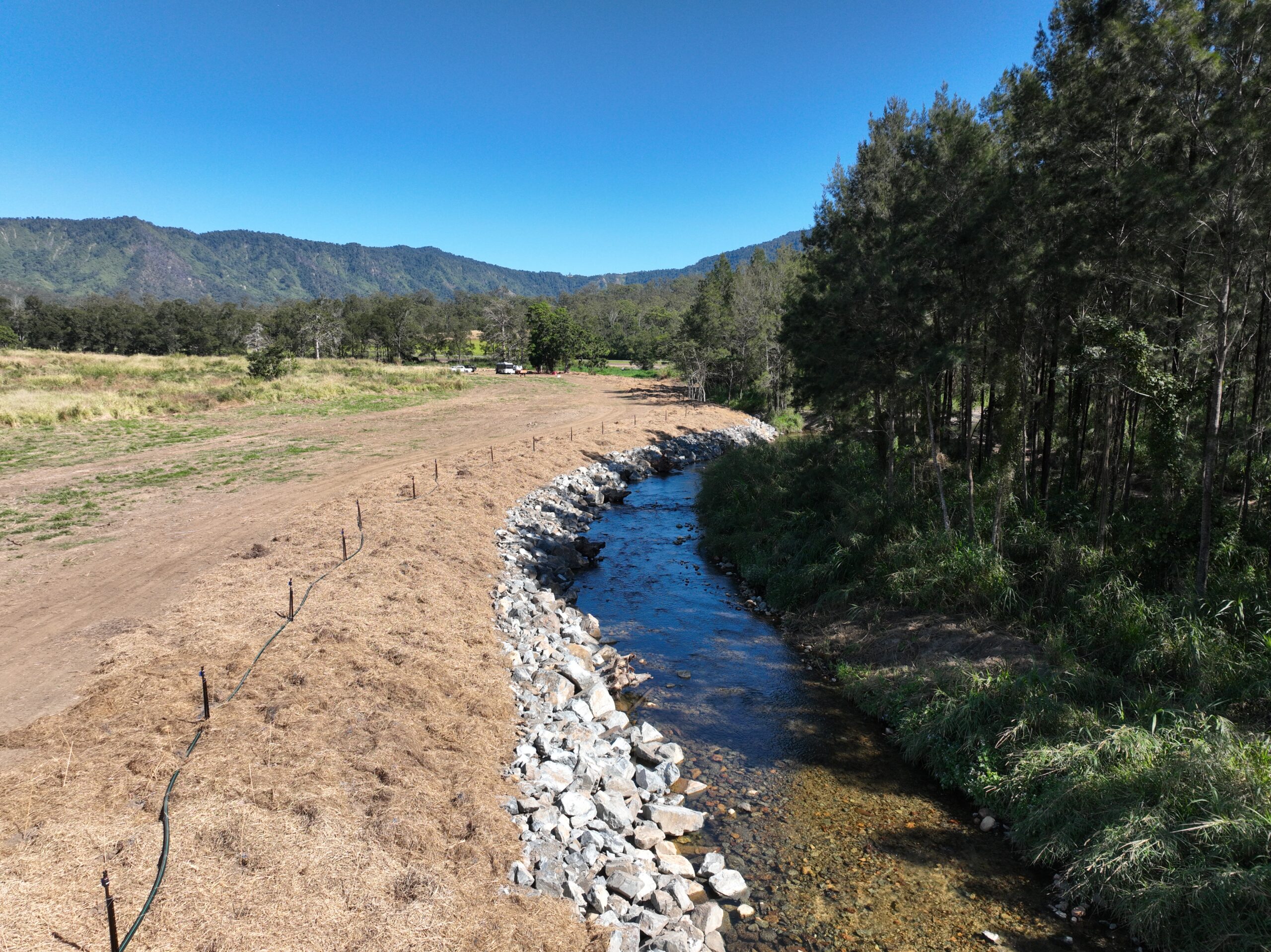
Cattle Creek is a major tributary of the Pioneer River and an important part of life in the Pioneer Valley, supporting agriculture, biodiversity, recreation and tourism. Over recent years, successive floods, bushfires and extreme weather events have accelerated erosion, reducing the creek’s ability to recover and threatening valuable agricultural land. In response, Reef Catchments is delivering reach-scale restoration works across priority sections of the creek, identified through technical assessments and consultation with local landholders. The works include engineered rock armouring to stabilise actively eroding streambanks, installation of woody habitat to slow water flows and improve aquatic habitat, and revegetation with thousands of locally sourced native plants to strengthen riparian health and connectivity. 

Current remediation works at Cattle Creek.


Katrina said the project addresses the root causes of erosion while delivering long-term benefits for the region. 

“The additional $2 million means we can do more of the work that matters. More streambanks stabilised, more habitat restored, more productive land protected, and greater benefits for water quality throughout the system.”

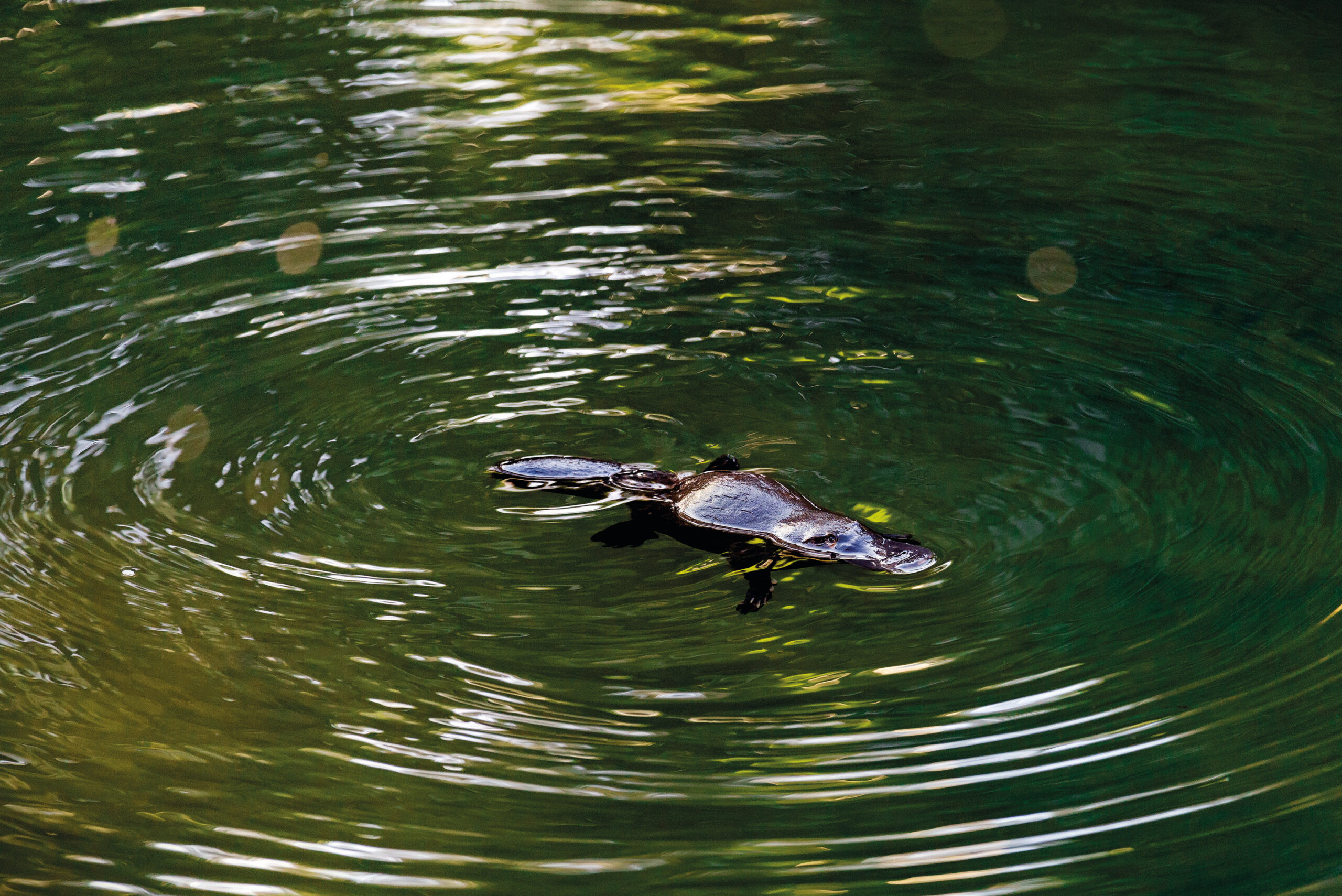
The restoration effort is expected to improve creek health, reduce sediment entering the Pioneer River and Great Barrier Reef lagoon, and create habitat for native species including platypus. 

Platypus, one of the native animals that call Cattle Creek home.


Importantly, the expanded funding will allow Reef Catchments to extend works into additional priority areas, increasing the scale of benefits delivered across the catchment. 

“Cattle Creek has been a long-standing priority for the community. This investment shows what’s possible when local knowledge, strong partnerships and government support come together to deliver real outcomes on the ground,” said Katrina.

The Cattle Creek Restoration Project forms part of the Queensland Government’s $117.84 million Natural Resource Management Expansion Program, delivered in partnership with Natural Resource Management Regions Queensland and regional NRM organisations across the state. Through this additional investment, the project will continue transforming a long-identified community concern into lasting environmental, social and economic benefits for the Pioneer Valley.  

Riparian Fencing Fast-tracks Transition to Regenerative Grazing

jamie · Aug 12, 2026 · Leave a Comment

Landholders: Owen and Penny Morgan 

Project: Continuing the path to nature-based solutions 

Location: Mt Charlton 

Area: 400 acres of grazing land 


Good outcome from the project 

Clearer waterways, healthier pastures and a faster transition to a sustainable beef enterprise are among the outcomes Owen and Penny Morgan have achieved through a Reef Catchments grant program, jointly funded by the Australian and Queensland governments through the Queensland Resilience and Risk Reduction Fund. More than 4 km of riparian fencing and improved watering infrastructure have transformed grazing management on the property, accelerating development that may otherwise have taken years to complete.


Background 

Located approximately 65 km north-west of Mackay, Owen and Penny Morgan have owned their 400-acre property for almost five years. After more than 16 years of farming in the region, they made the decision to transition this property from sugarcane to beef production. 

They say the decision reflected a combination of factors, including increasing production costs, contractor shortages, pest pressure from pigs and cockatoos, and declining returns from their cane farming enterprise. Since then, the couple has focused on building a sustainable grazing enterprise, investing in fencing, water infrastructure and pasture improvement. 

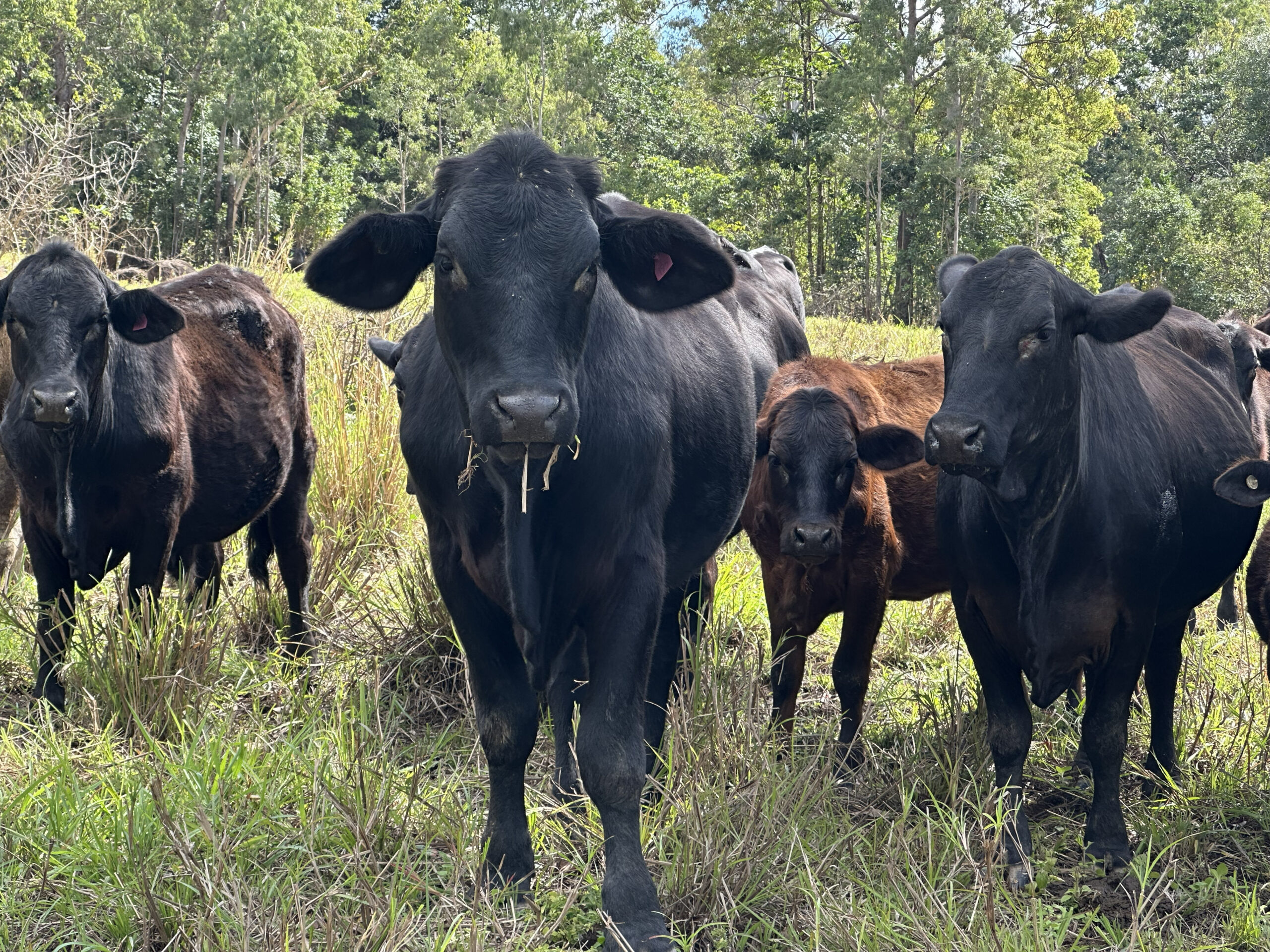
Today, the property carries around 75 Brangus cattle, with plans to gradually build to approximately 200 breeders as pasture productivity and infrastructure continue to improve.  

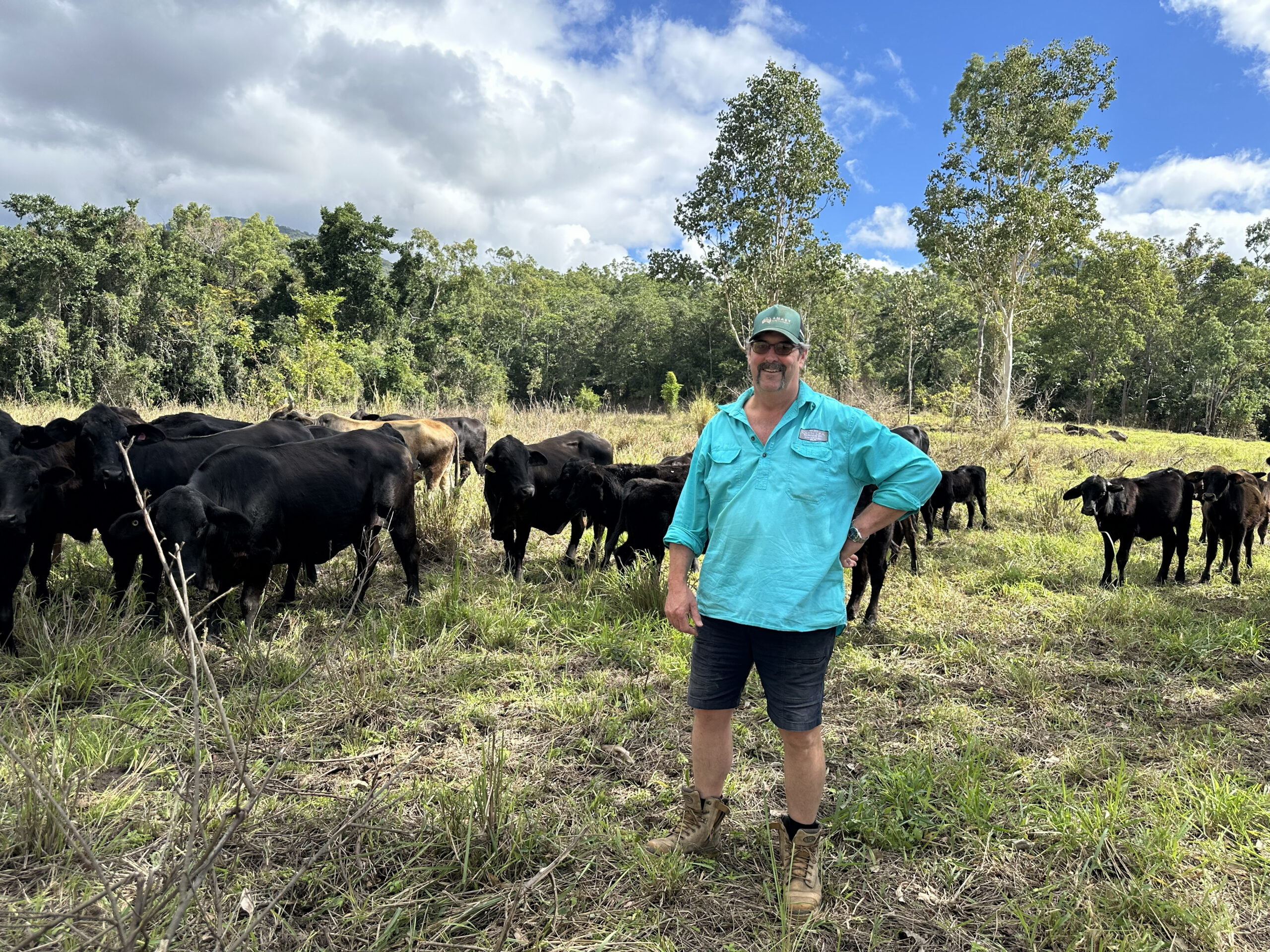
Owen standing with a herd of black brangus cors
Owen Morgan with some of his Brangus herd.

The challenge 

Transitioning former cane country into productive grazing land has required significant rehabilitation. Years of cultivation and fertiliser use had left the soils with elevated magnesium and aluminium levels, impacting soil health and reducing pasture performance. Restoring productivity has involved deep ripping former cane paddocks, establishing improved pastures, reducing reliance on synthetic inputs, and, based on recent soil test results, planning lime applications to address soil constraints and support long-term pasture performance. 

At the same time, Owen was determined to manage waterways differently based on lessons learnt from previous grazing properties. Waterway management was such a priority that riparian fencing became the first infrastructure investment on the property. 

“We didn’t even put the front fence in before the riparian fence,” Owen said. “Keeping cattle out of the creek was the priority.” 

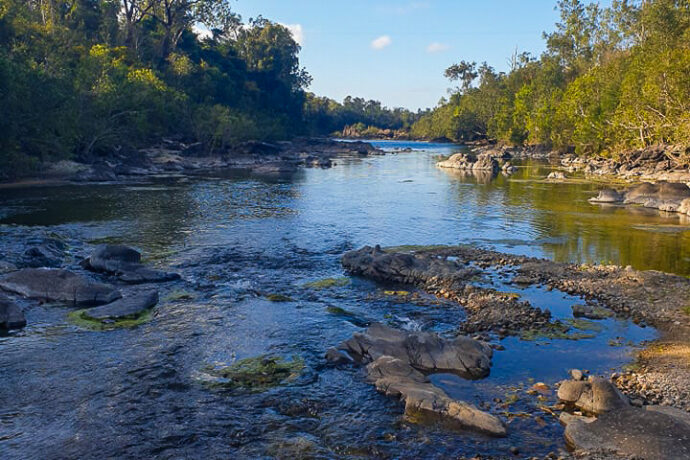
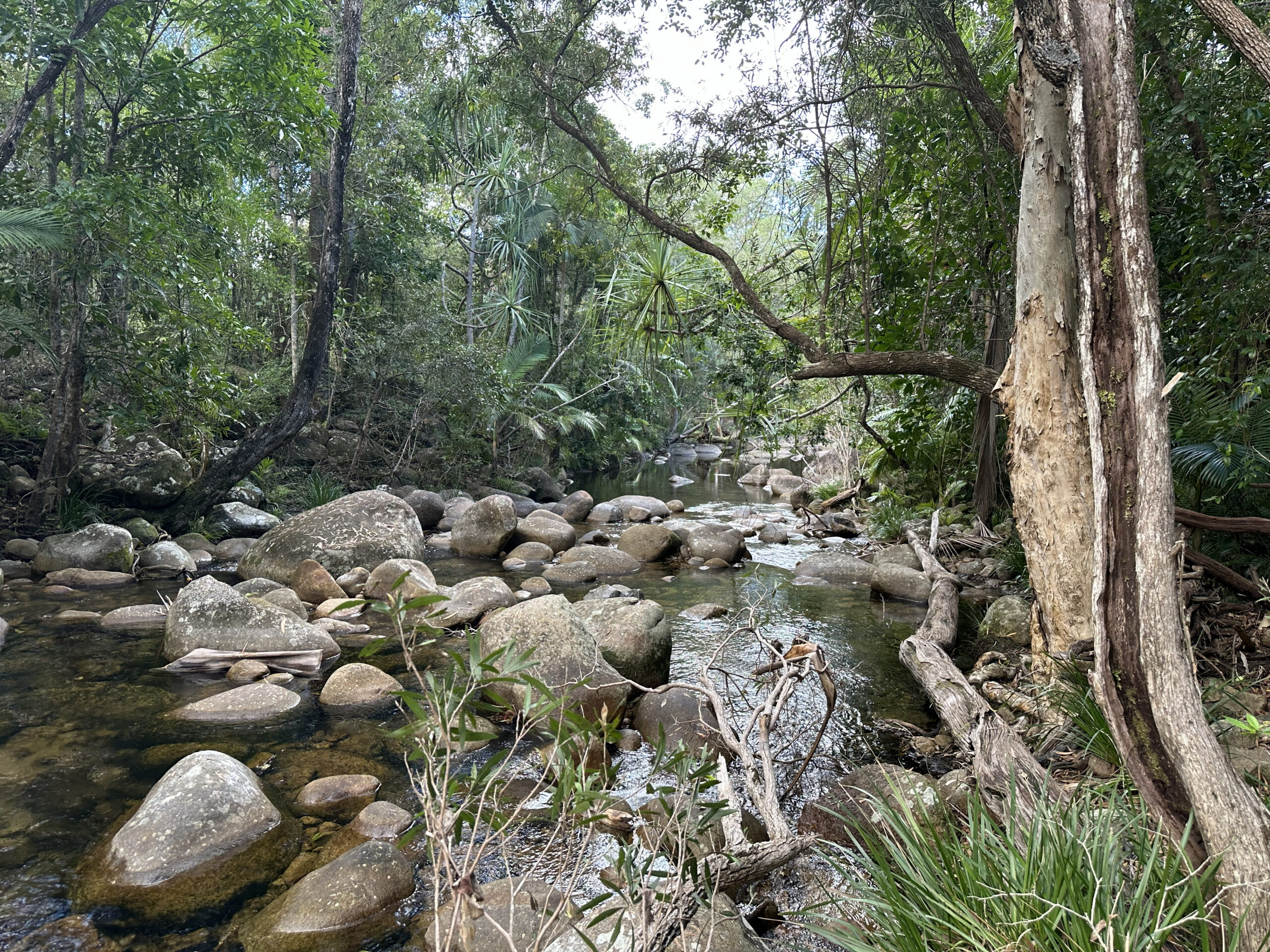
running creek through bolders surrounded by lush rainforest greenery
Nearby Boulder Creek.

The solution 

Working with Reef Catchments, Owen and Penny installed more than 4 km of riparian fencing and additional watering infrastructure across the property. The fencing excludes cattle from key waterways while still allowing strategic grazing of riparian areas when conditions are suitable. 

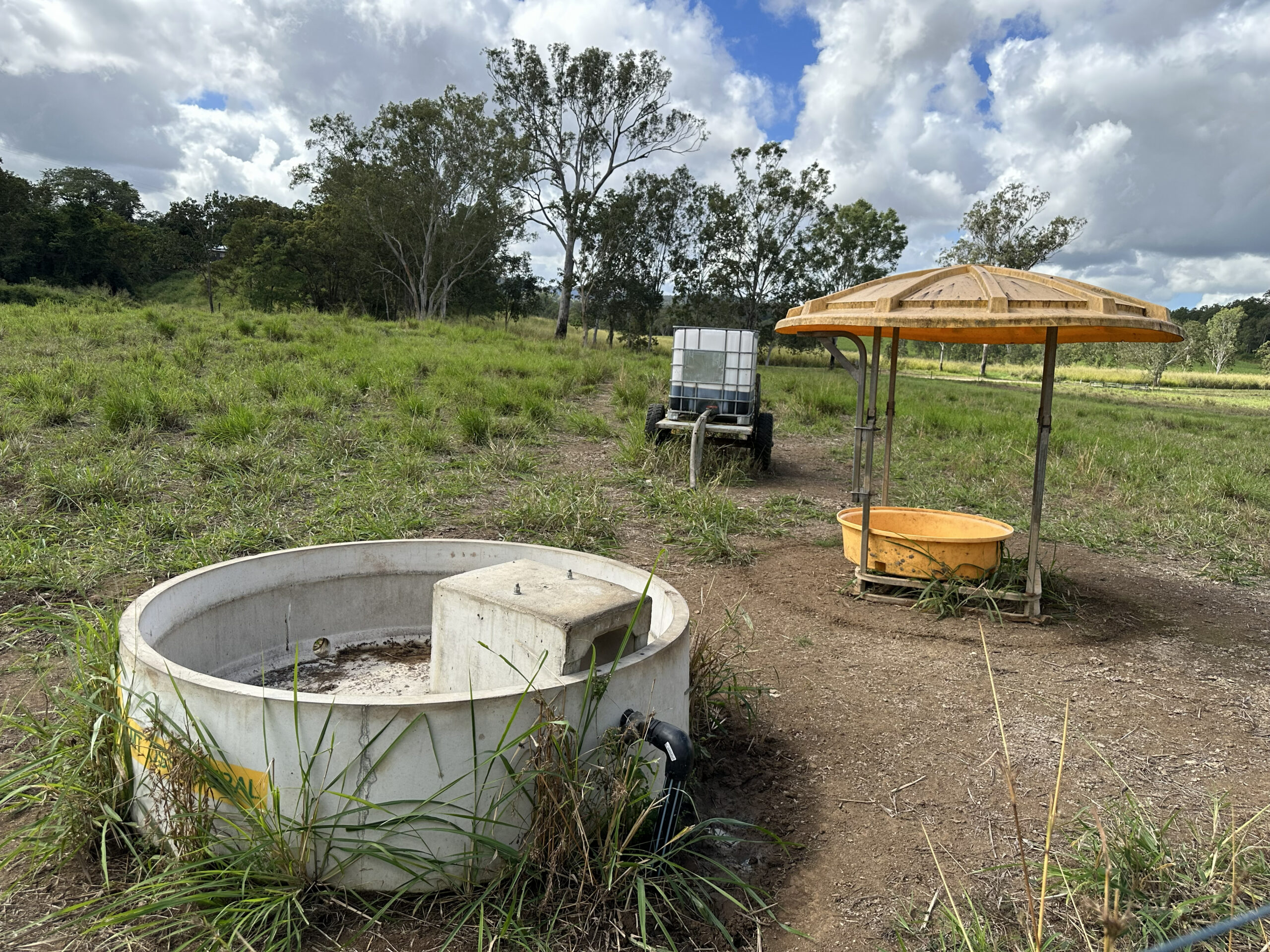
Additional watering points throughout the grazing system have strengthened rotational grazing management, improved stock distribution and reduced reliance on waterways as a watering source. 

“We’ve been able to improve the pasture in the fenced riparian areas by grazing it at the right times,” Owen said. 

The project also provided technical support that has helped guide ongoing soil management as Owen and Penny continue enhancing the property. The 40% grant contribution helped make significant infrastructure upgrades more accessible, enabling the couple to invest sooner and accelerate improvements across the property.

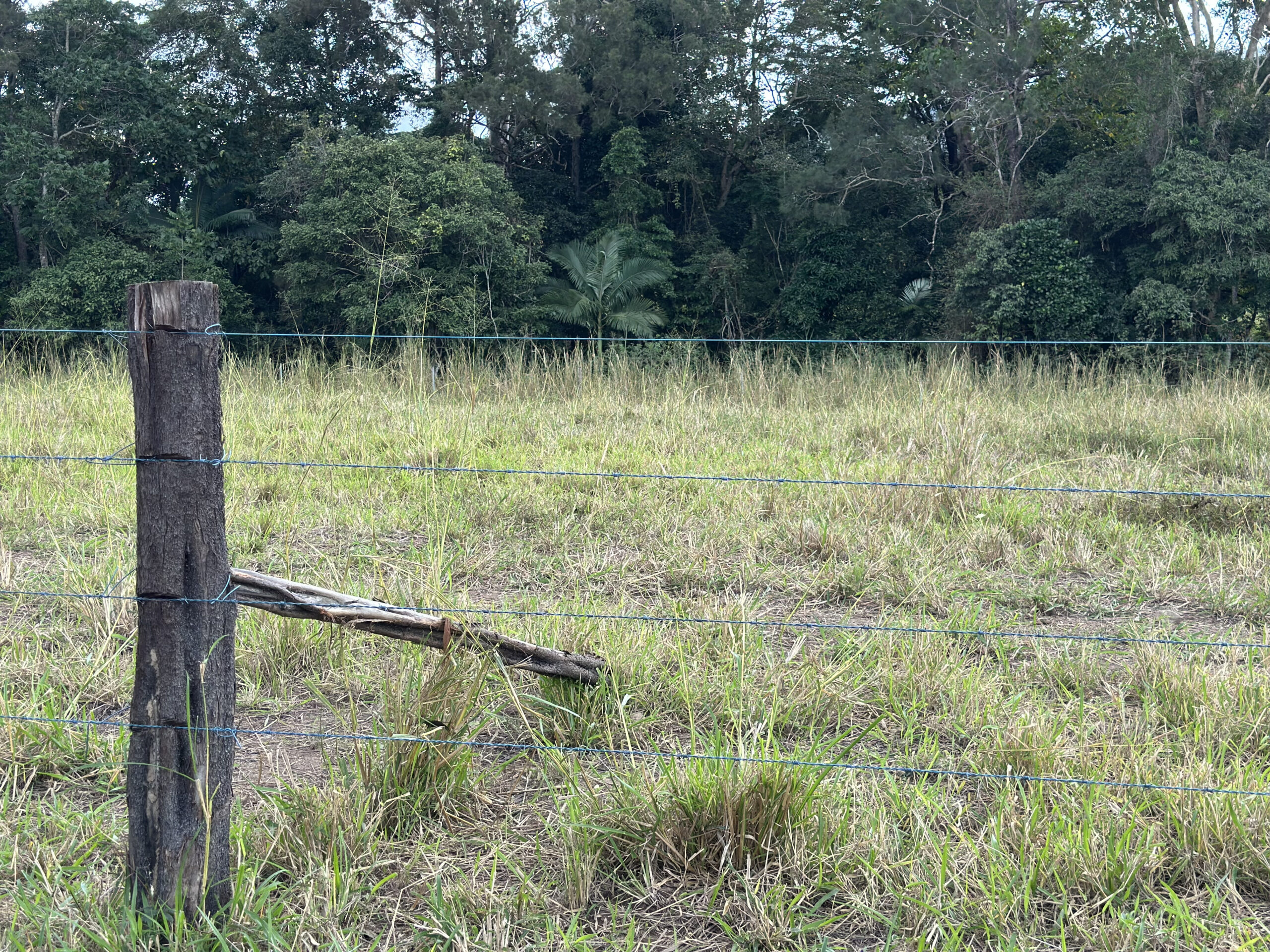
Wire fence with woodent stump
Fencing installed as part of the Project
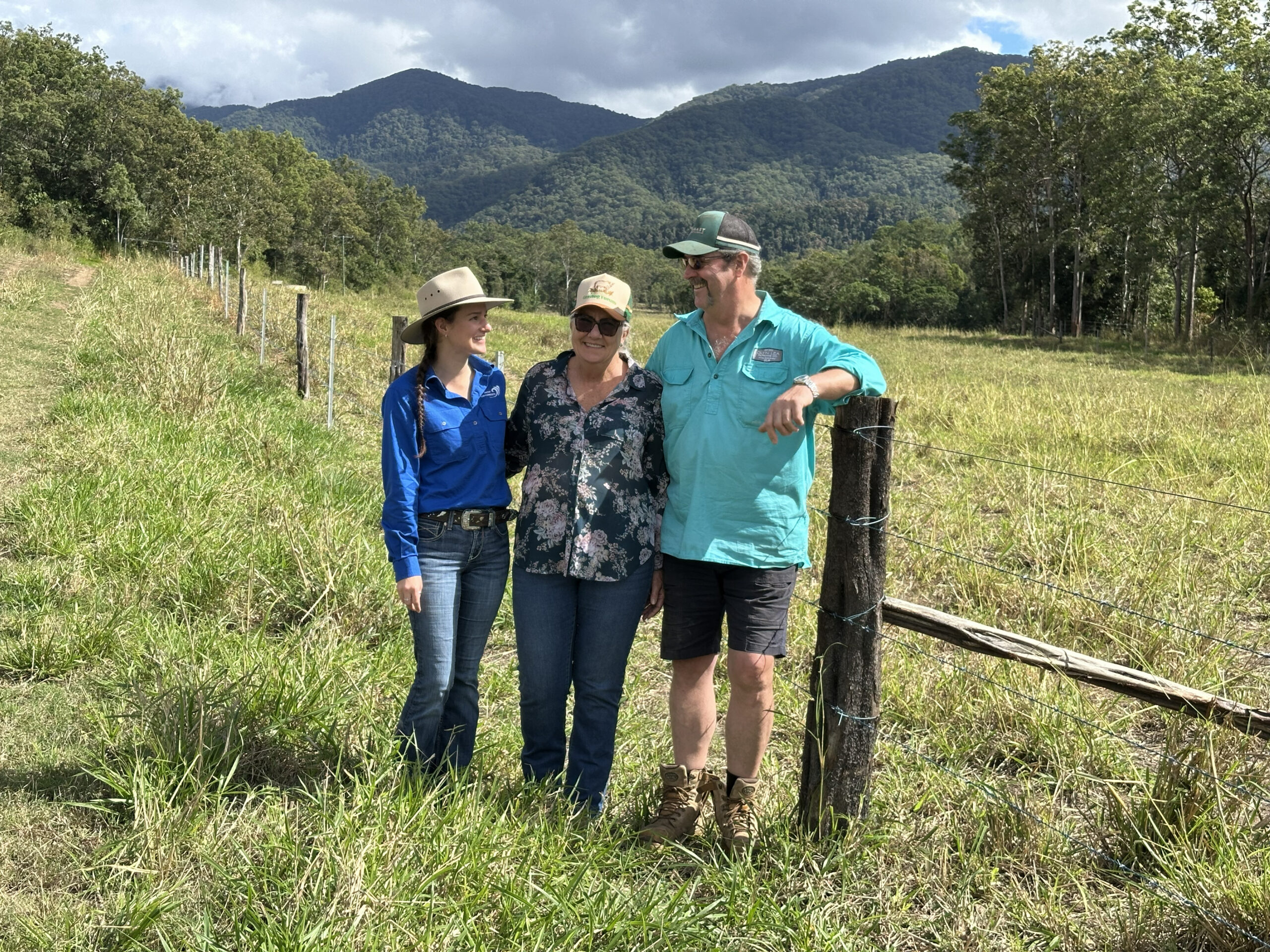
Reef Catchments female staff member in a blue short chatting with Owen and Penny by the fence
Reef Catchments Sustainable Agriculture Project Officer Kimberley Bland with Penny and Owen Morgan
Watering point

The results 

The benefits of the project have extended well beyond the fencing itself. Owen has observed noticeably clearer creek water where cattle are excluded, compared with previous properties where stock had unrestricted access. 

“You can get up past our pump and that water’s clear as crystal,” he said. 

Pasture condition within the riparian areas has also improved through controlled grazing. Rather than becoming overgrown and rank, these areas can now be grazed at the right time to maintain healthy pasture growth and groundcover. Additional watering points have transformed day-to-day grazing management, making cattle movements easier and improving pasture utilisation across the property. 

“The water points totally changed how we farm,” Owen said. 

The fencing has delivered some unexpected benefits as well. Restricting access to the property has reduced the frequency of pig hunters entering the property, which in turn has helped reduce weed spread and land disturbance. Importantly, the project accelerated infrastructure improvements that would eventually have happened but at a much slower pace. 

“The grant helped speed up the process,” Owen said. “The materials were covered and our labour became the in-kind contribution, so it made the project achievable. Rather than pushing it off to future you, it gets done now.” 

The support from Reef Catchments enabled the Morgans to accelerate important works while contributing their own labour and equipment to complete the project, helping turn long-term plans into immediate action. Owen also valued the straightforward application process and the ongoing support provided by Reef Catchments throughout the project. 

Herd of brangus cow, black brown and red

Looking ahead 

The property is still only about halfway through its planned development. 

Future priorities include fencing the remaining sections of creek, continuing to improve soil health through lime applications and regenerative management practices, increasing breeder numbers as pasture capacity grows and further refining rotational grazing. 

Owen believes modern farming requires balancing productivity with environmental stewardship. 

“The new generation is very interested in the legacy side of farming, including soil health and looking after the environment,” he said. “It’s all part of farming now.” 

Having seen the benefits firsthand, Owen and Penny have already recommended the program to other landholders and would encourage others to get involved. They describe their partnership with Reef Catchments as “very successful” and a mutually beneficial relationship that has supported both productive agriculture and improved environmental outcomes 

The project is not only helping accelerate farm development today but supporting Owen and Penny’s long-term vision of leaving their land, soils and waterways in better condition for future generations. 

Assistance provided by the Australian and Queensland Governments under the Queensland Resilience and Risk Reduction Fund. 

Resilient Catchments Register

Share your knowledge. Register your idea. Shape the future of our land, sea and waterways.

Register now

Get to know us better

You’ll receive our monthly newsletter containing updates on events and workshops, community activities and information about how our projects are helping our regional environment and communities.

  • This field is for validation purposes and should be left unchanged.

© 2026 Reef Catchments · All rights reserved · Site by the dma

  • Disclaimer
  • Privacy Policy
  • Sitemap
  • Contact
  • Disclaimer
  • Privacy Policy
  • Sitemap
  • Contact
Reef Catchments would like to acknowledge the Traditional Owners, past and present, on whose land, sea and waters we work. We acknowledge their enduring spiritual and cultural connection and their responsibility as First People to maintain and care for Country.
While every effort is made to maintain a culturally respectful resource; Aboriginal and Torres Strait Islander people are advised that this website may contain images, voices and names of people who have passed away.