
For years, landholders along Cattle Creek have watched productive farmland disappear as floodwaters carved into unstable streambanks, with every major weather event leaving behind fresh scars on the landscape. Now, an additional $2 million investment will expand restoration efforts along the waterway, enabling Reef Catchments to deliver works at more priority erosion sites and build on the progress already underway through the Queensland Government’s Natural Resource Management Expansion Program.
Minister for Natural Resources and Mines Dale Last said the funding was delivering targeted investment and empowering experts to restore Queensland’s natural assets.
“Cattle Creek has been subject to countless major weather events, and the community has been left to deal with the damage from flash flooding and cyclones over the years,” Minister Last said.
“We know the best way to safeguard Cattle Creek against future weather events is by investing in preventative measures to stabilise the riverbank and reduce active erosion. This funding equips Reef Catchments Natural Resources Management group to deliver a coordinated approach with local landholders to restore and maintain the health of the creek. Delivering targeted, on ground investment through local groups who understand the landscape means the people who know the region best can use local knowledge to restore the region’s beauty.”
Reef Catchments Chief Executive Officer Katrina Dent said the additional funding was a significant win for local landholders and the wider Pioneer Valley community.
“This investment represents a significant turning point, transforming a long-standing community concern into meaningful action on the ground. For local landholders, this project is about safeguarding productive farmland, supporting local industries and ensuring future generations inherit a healthier, more resilient landscape.”
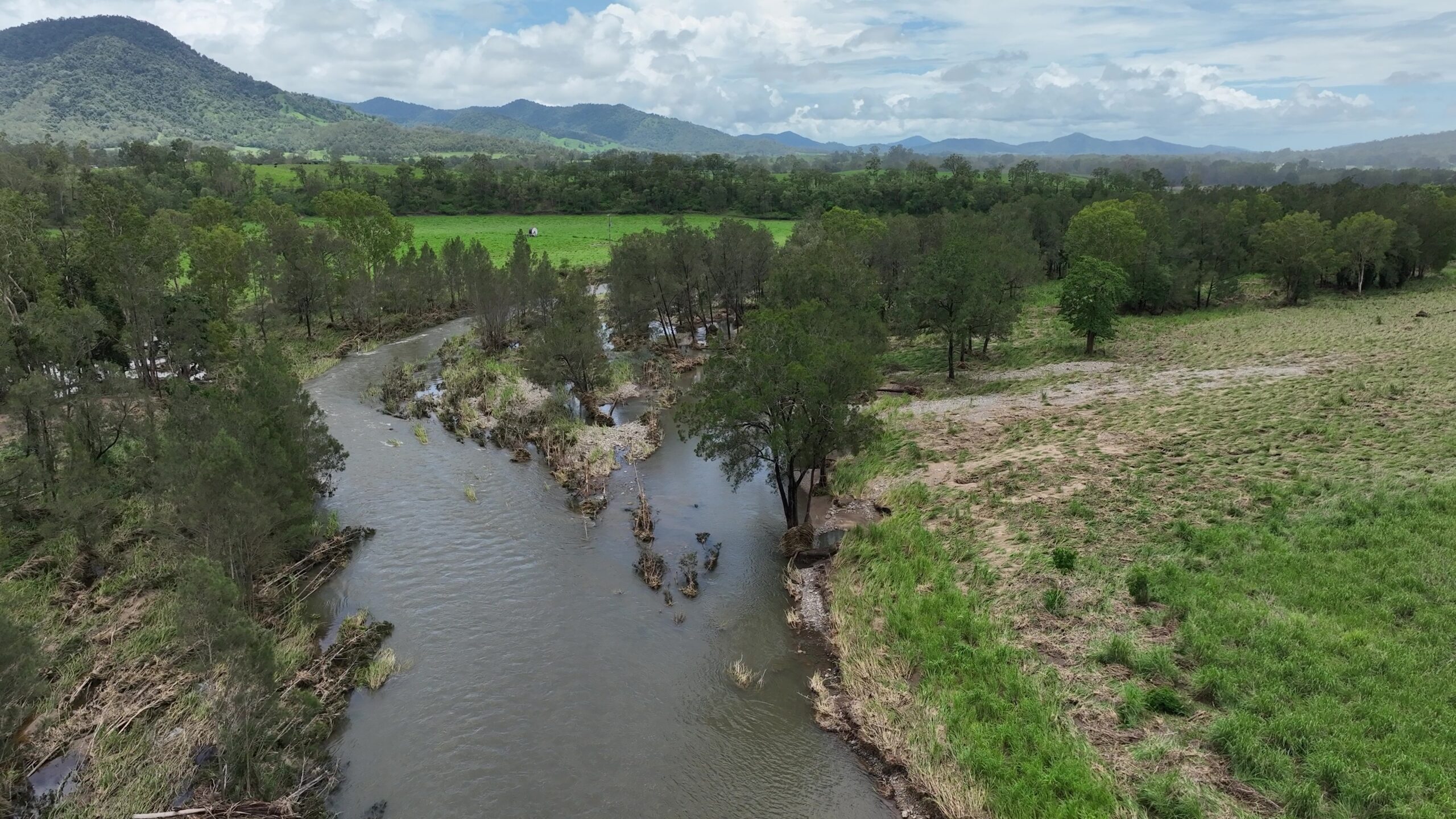
Cattle Creek is a major tributary of the Pioneer River and an important part of life in the Pioneer Valley, supporting agriculture, biodiversity, recreation and tourism. Over recent years, successive floods, bushfires and extreme weather events have accelerated erosion, reducing the creek’s ability to recover and threatening valuable agricultural land. In response, Reef Catchments is delivering reach-scale restoration works across priority sections of the creek, identified through technical assessments and consultation with local landholders. The works include engineered rock armouring to stabilise actively eroding streambanks, installation of woody habitat to slow water flows and improve aquatic habitat, and revegetation with thousands of locally sourced native plants to strengthen riparian health and connectivity.
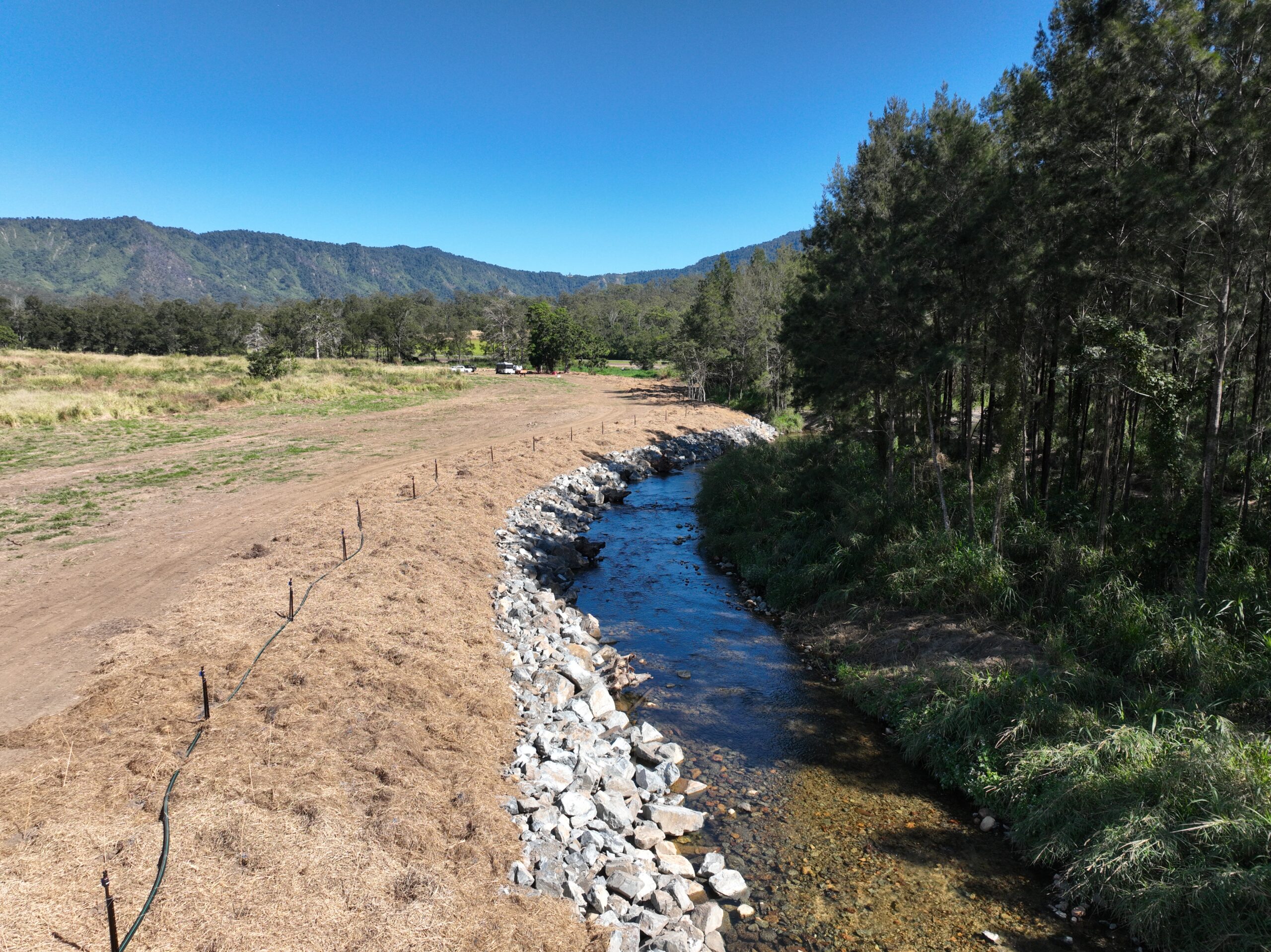
Katrina said the project addresses the root causes of erosion while delivering long-term benefits for the region.
“The additional $2 million means we can do more of the work that matters. More streambanks stabilised, more habitat restored, more productive land protected, and greater benefits for water quality throughout the system.”
The restoration effort is expected to improve creek health, reduce sediment entering the Pioneer River and Great Barrier Reef lagoon, and create habitat for native species including platypus.
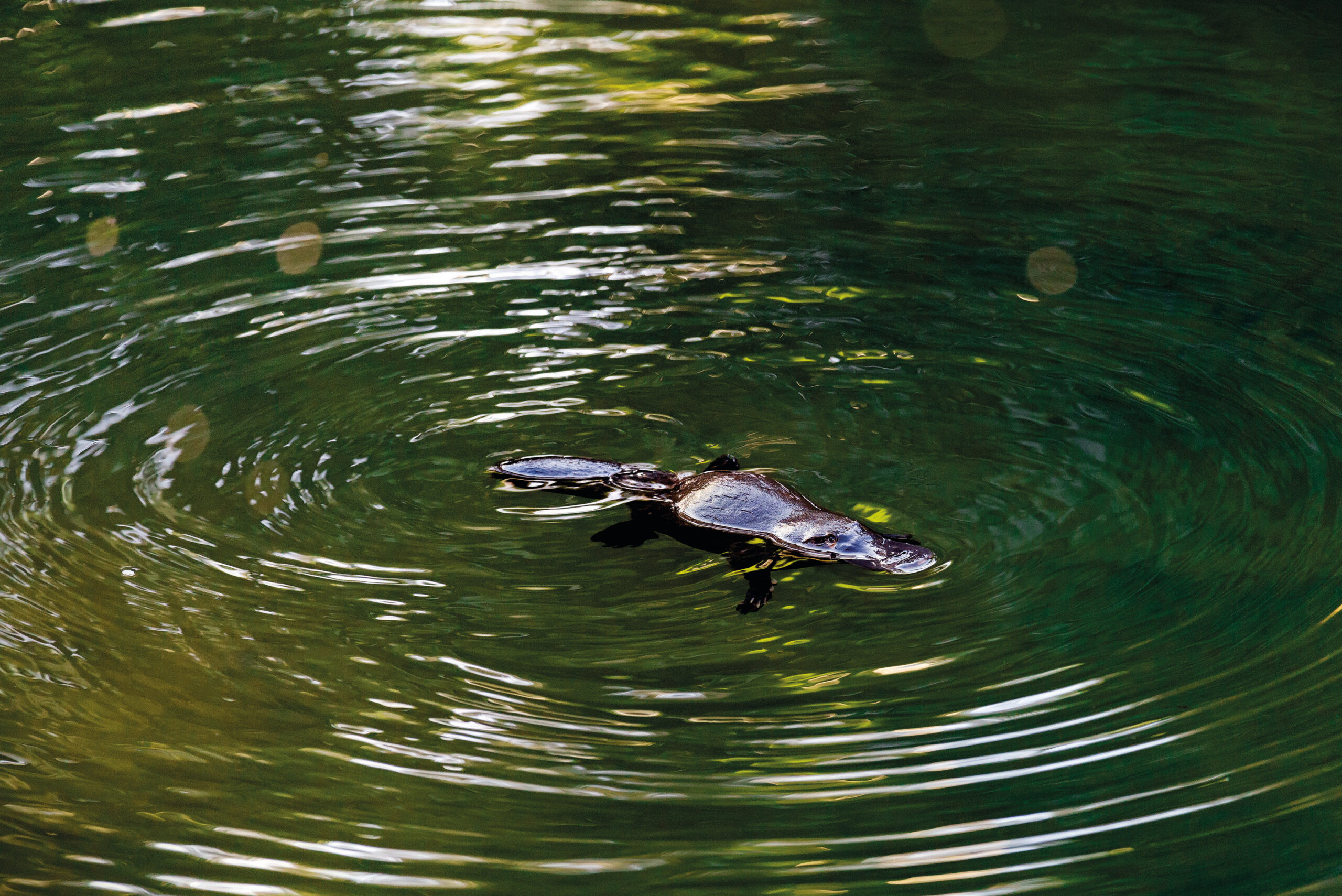
Importantly, the expanded funding will allow Reef Catchments to extend works into additional priority areas, increasing the scale of benefits delivered across the catchment.
“Cattle Creek has been a long-standing priority for the community. This investment shows what’s possible when local knowledge, strong partnerships and government support come together to deliver real outcomes on the ground,” said Katrina.
The Cattle Creek Restoration Project forms part of the Queensland Government’s $117.84 million Natural Resource Management Expansion Program, delivered in partnership with Natural Resource Management Regions Queensland and regional NRM organisations across the state. Through this additional investment, the project will continue transforming a long-identified community concern into lasting environmental, social and economic benefits for the Pioneer Valley.