• Skip to primary navigation
  • Skip to main content
Reef Catchments Three Colour PMS
  • About
    • Annual reports
    • CEO’s Message
    • Board members
    • Our team
    • Careers
    • Partners
    • Queensland NRM Network
    • Strategic plan
    • Become a member
    • Update your contact details
  • Projects
    • Sustainable Agriculture
    • Waterways
    • Biodiversity
    • Great Barrier Reef
  • NRM Plan
    • NRM Plan 2014-2024
    • NRM region map
    • NRM Plan supporting documents
  • News
    • Articles
    • Newsletters
    • Media releases
    • Citizen Science Calendar
  • Events
  • Resources
    • Species, ecosystems & pests
  • Get involved
  • Careers
  • Contact us
×
  • About
    • Annual reports
    • CEO’s Message
    • Board members
    • Our team
    • Careers
    • Partners
    • Queensland NRM Network
    • Strategic plan
    • Become a member
    • Update your contact details
  • Projects
    • Sustainable Agriculture
    • Waterways
    • Biodiversity
    • Great Barrier Reef
  • NRM Plan
    • NRM Plan 2014-2024
    • NRM region map
    • NRM Plan supporting documents
  • News
    • Articles
    • Newsletters
    • Media releases
    • Citizen Science Calendar
  • Events
  • Resources
    • Species, ecosystems & pests
  • Get involved
  • Careers
  • Contact us
Hide Search

Archives for September 2025

Better Practice Management Improves Farm Efficiency

jamie · Sep 17, 2025 · Leave a Comment

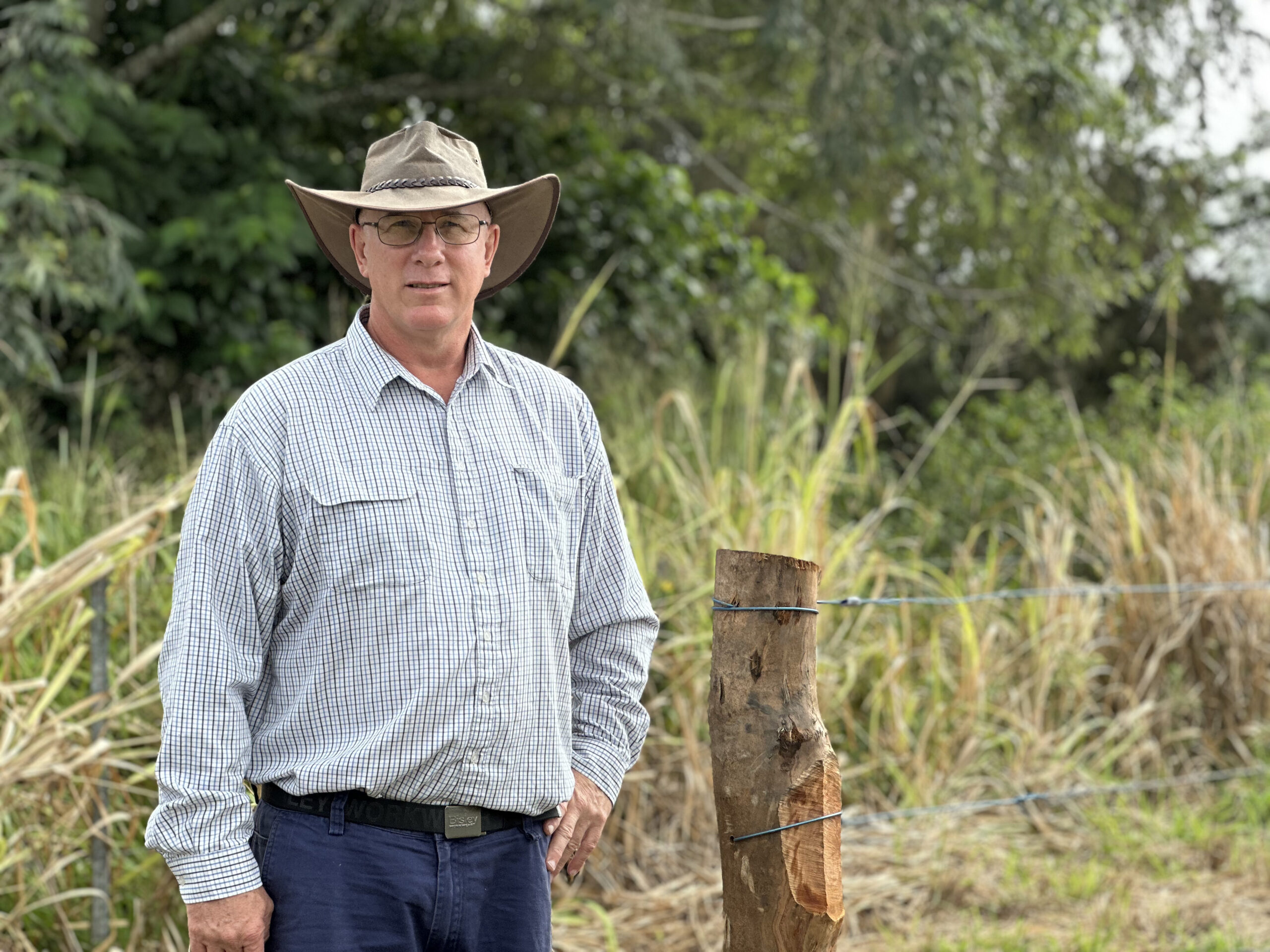
Landholder standing in front of a wire fence

Landholder: Ross Bailey

Project: Continuing the path to nature-based solutions

Location: Sarina

Area: 265 acres of grazing land

A tour of Ross and Angela Bailey’s property quickly revealed the results of years of care and improvement. With pride, Ross pointed out strategic improvements that have strengthened the land, supported wildlife, and boosted the success of his cattle operation. From erosion control to wildlife-friendly fencing, his commitment to sustainable property management is evident in every detail, each decision made with the long-term health of the landscape in mind. 


Background: From Cane to Cattle, with a Conservation Mindset 

The property was once an active cane farm before being transitioned to grazing land. Since purchasing it, Ross has been dedicated to continual improvement. He’s tackled significant weed control, including the clearing of lantana, which not only improves pasture but benefits koala habitat as well. 

He has also undertaken pasture renovation and refined fencing layouts to balance production with environmental care. 


The Challenge: Fragile Streambanks and Erosion from Cattle Access 

Ross Bailey’s property, once a sugarcane farm, presented unique challenges when converted to a cattle operation. The legacy of cane farming left fences placed in gullies, areas once used to allow harvesters and haulers to turn around, which were now high-traffic zones for cattle.  

Already fragile, these gullies became increasingly eroded due to repeated cattle movement, causing the loss of vegetation and sediment run-off into nearby waterways. Without the stabilising presence of vegetation, streambanks were left vulnerable.  

Cattle access to the creek further exacerbated the problem, leading to degradation of both soil health and water quality. 

The Solution: A Holistic and Strategic Fencing Approach 

Through a recent grant-supported fencing project, Continuing the Path to Regional Resilience, Ross installed 2.4 km of new fencing to restrict cattle access to the creek and protect the vulnerable banks.  

Ross says, “fencing is not just for keeping cattle out but a strategic tool to improve land and livestock management as a whole.” 

The key to Ross’s solution was relocating old fence lines and gates out of the gullies to higher ground, reducing cattle traffic through these erosion-prone areas. This smart repositioning helps prevent the development of deeper gullies and limits sediment runoff into the waterway. 

The fencing design is not only strategic but also wildlife-conscious: a plain top wire ensures wildlife, including native species, can safely navigate the landscape without the risk of injury. 


The Results: Healthier Land, Livestock, and Ecosystems 

Ross has implemented a wagon-wheel or rotational grazing approach, where cattle are moved systematically between paddocks. This practice gives pastures time to recover, encouraging regrowth, soil health, and water retention while reducing overgrazing and further erosion. 

Benefits already observed include: 

  • Improved pasture quality and soil condition 
  • Fatter, healthier cattle due to better pasture availability 
  • Reduced erosion and sediment loss 
  • Safer passage for wildlife across the property 

Ross’s attention to small details, such as preventing cattle from using the same track repeatedly, demonstrates his commitment to sustainable land management. 


Looking Ahead: Custodianship and Conservation 

Ross is clear about his role and said, “I’m a custodian of the land and will look after it while I have it.” 

Looking ahead, Ross’s focus is on leaving the land in better condition for future generations. Upcoming goals include planting native trees to support koala habitat, in partnership with other Reef Catchments projects like the Sarina Koala Habitat Restoration. 

His approach stands as a model for integrating productive agriculture with environmental stewardship, showing that even small changes, like a better-placed gate or a plain top wire, can have a big impact when viewed through a holistic lens. 


Assistance provided by the Australian and Queensland Governments under the Queensland Resilience and Risk Reduction Fund. The Sarina Koala Habitat Restoration project is supported by Reef Catchments through funding from the Australian Government’s Saving Koalas Fund. 


wildlife friendly fencing

Future-Proofing Grazing: The Climate-Smart Agriculture Program

jamie · Sep 16, 2025 · Leave a Comment

For graziers across the Mackay Whitsunday Isaac region, managing a productive farm has always meant balancing livestock, land, and the unpredictable rhythms of the seasons. But in a changing climate, the challenges are growing. Hotter summers, shifting rainfall patterns, and pressure on natural resources make it harder to plan for the long term. The Climate-Smart Agriculture Program (2024–2028), funded by the Australian Government through the Natural Heritage Trust, aims to give graziers the tools, knowledge, and support to face these challenges head-on. 

Rather than imposing one-size-fits-all solutions, the project is about rolling up sleeves and working on-farm alongside graziers to understand the unique story of each property. Over 34 participating farms across 900 hectares, Reef Catchments will help landholders co-develop Natural Capital Plans. These Plans are detailed strategies that map Natural Capital assets such as pastures, soil, water, vegetation and biodiversity, to help graziers see where their land is thriving, where it needs care, and how small, smart changes can protect natural systems while boosting productivity.  

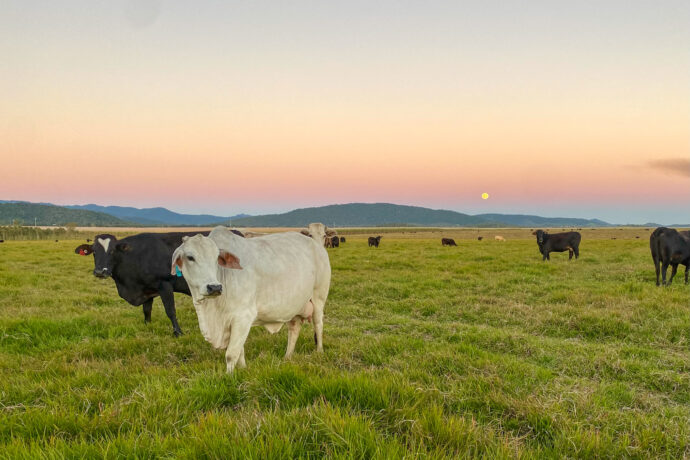
cattle in paddock with sunset
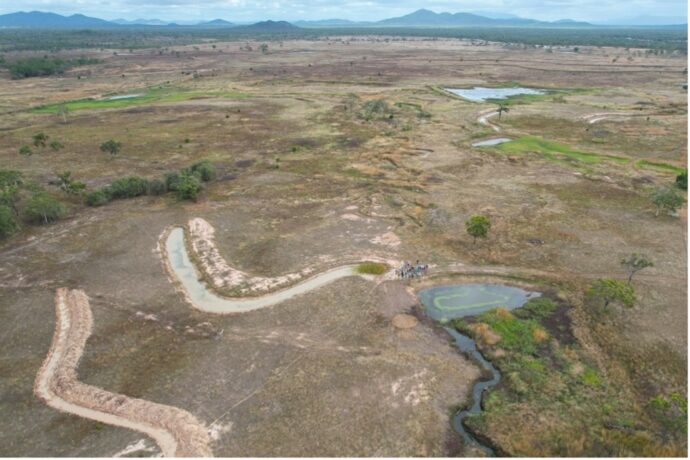
drone image of swales
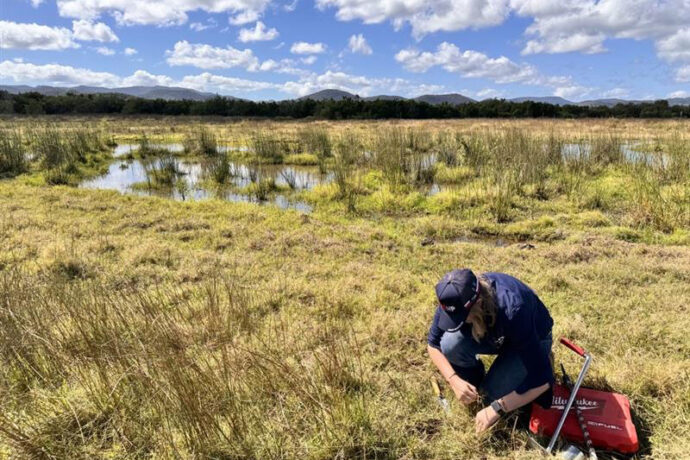
Reef Catchments Sustainable Agriculture team checking soil and grass on rural property


Every plan starts with understanding the land as it is today. Graziers will assess the condition of their paddocks, identify risks and opportunities, and establish a baseline for greenhouse gas emissions. From there, they can explore practical, climate-smart grazing practices that reduce emissions by improving efficiencies within the herd. It’s a hands-on approach that fits the realities of everyday farm life while enhancing understandings of emerging market opportunities linked to sustainability. 

Beyond planning, the program connects graziers with funding incentives, on-farm field days, and workshops where they can learn from experts and share experiences with fellow landholders. From building climate resilience to growing knowledge, and a stronger local grazing community, this program offers local graziers a unique opportunity to future-proof their farms through a tailored approach. 

If you’re a grazier in the Mackay Whitsunday Isaac region looking to future-proof your farm, now is the time to get involved. Upcoming workshops on the 7 and 8 October will provide expert advice, current best practice and innovation information, and the chance to connect with other landholders who are committed to building productive, resilient farms. For more information, contact holly.reid@reefcatchments.com. To register to the workshop, visit Eventbrite. 


Proserpine sugar farmers unite to reduce pesticides levels entering the Great Barrier Reef

jamie · Sep 11, 2025 · Leave a Comment

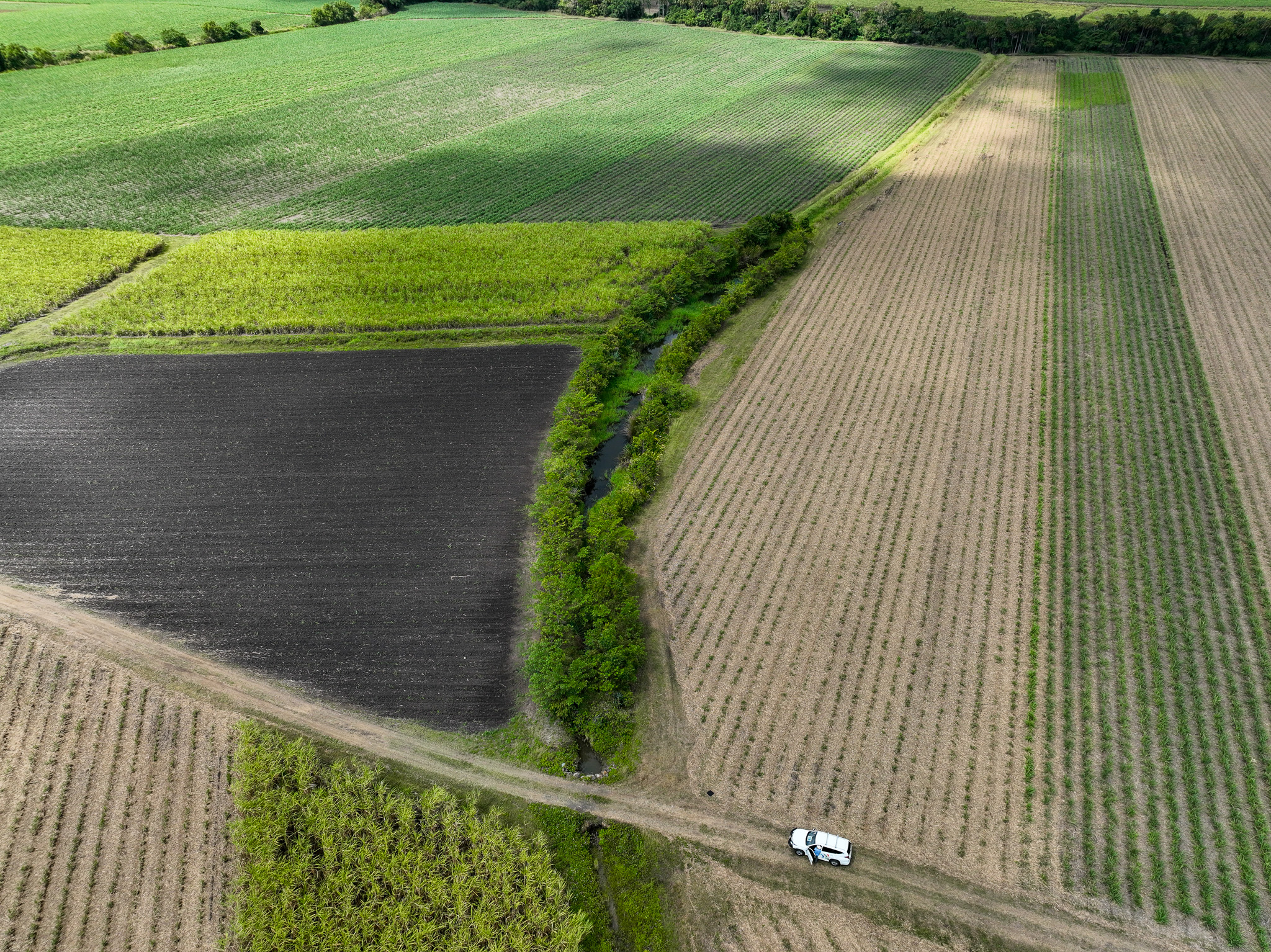
For generations, sugarcane has been a core aspect of the Proserpine region’s identity. From the vast green paddocks to the hum of harvest machinery, cane farming has shaped the landscape, economy, and community life of the district. Families who work this land carry with them not only the knowledge of farming, but also a deep connection to the creeks, wetlands, and reef systems that make the Proserpine catchment so unique. 

Now, a new initiative is giving growers the opportunity to build on that legacy by improving chemical management on-farm. Reef Catchments, in partnership with Farmacist, is delivering the Supporting Practice Change to Reduce Water Quality Risk, a two-year project working closely with sugarcane farmers in the Proserpine catchment. 

Reef Catchments Sustainable Agriculture manager, Todd McNeill, explains, “Sugarcane farming has long been an important part of the Proserpine region and continues to play a key role in the local community. This project supports growers in adopting practical changes that improve water quality while maintaining productivity.” 


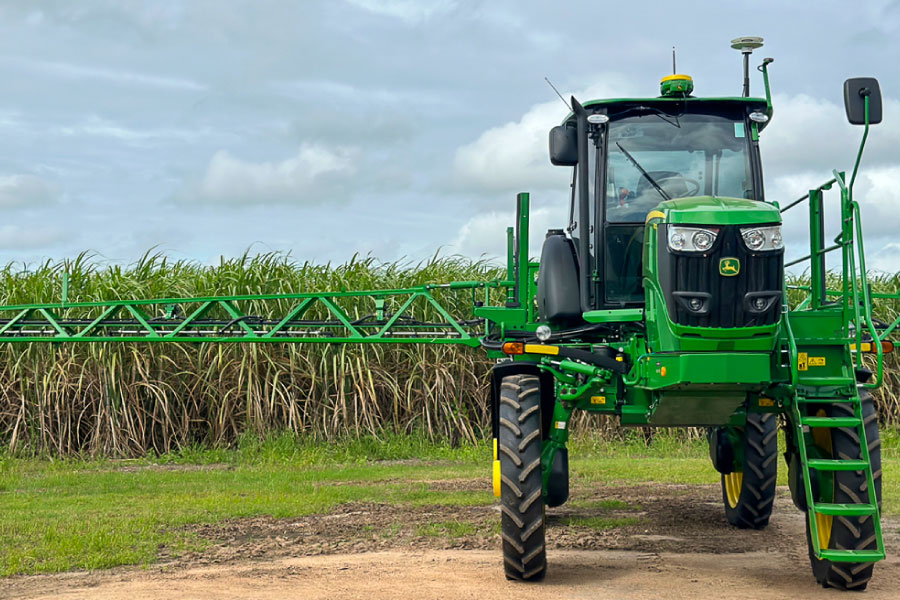
At its core, the project is grower-focused, designed to support farmers with practical tools and guidance. Farmers will work with agronomy experts on tailored chemical management plans, spray rig audits, and on-farm visits. Small financial incentives can help upgrade spray nozzles, making every day work more efficient. Two hands-on workshops bring participants together to learn about weed identification, chemical handling, and spray rig calibration – providing a chance to share knowledge, ask questions, and learn the latest in innovative farming methods. 

For growers, the benefits are both immediate and long-term. Better chemical use means reduced costs, improved efficiency, and smoother day-to-day farm management. As Senior Project Officer Kevin Moore explains, “Taking part in this project will give growers the know-how, tools, and a clear plan to use pesticides more efficiently. This means saving money, saving time, and making day-to-day farm work easier.” 


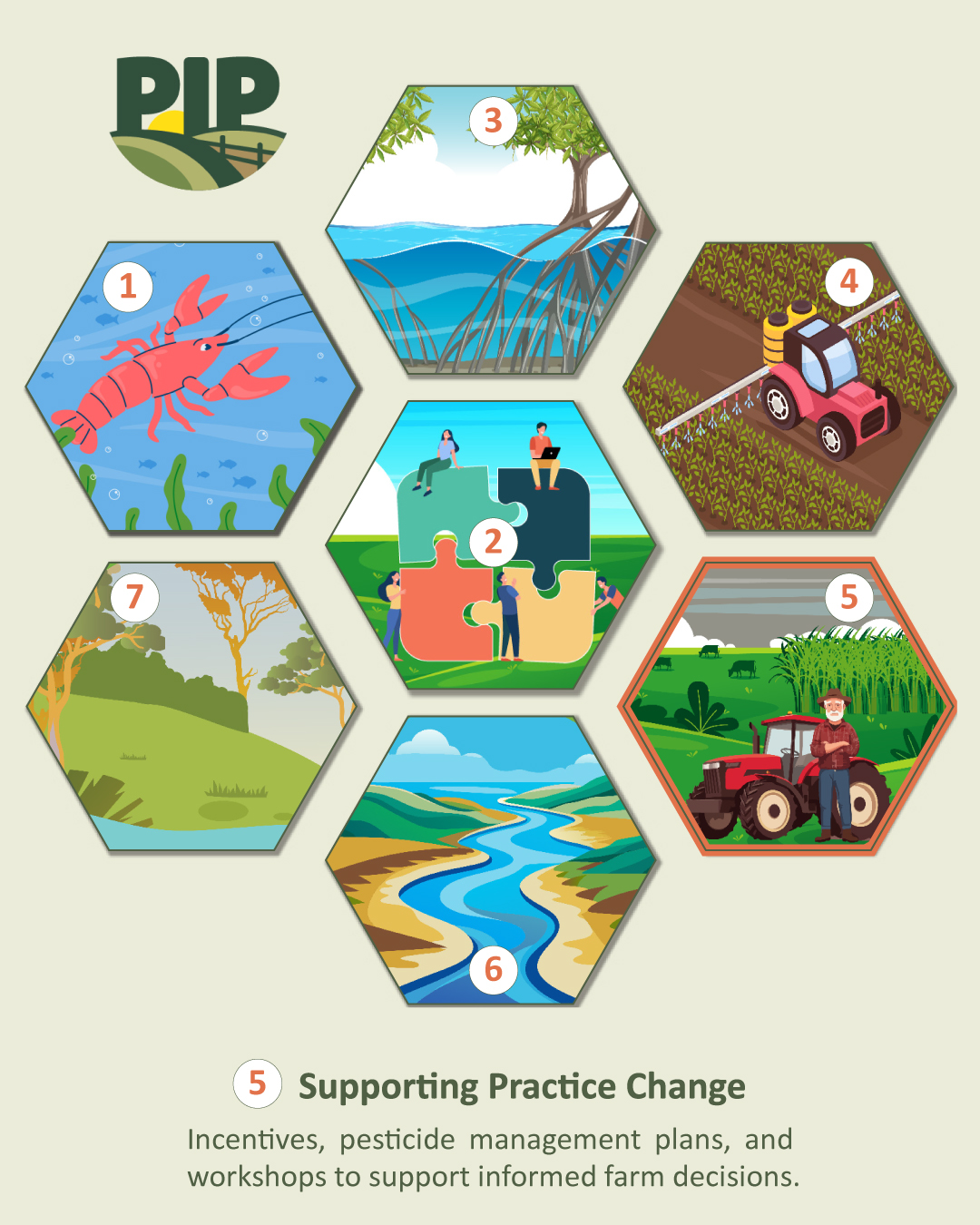
The project is part of the broader Proserpine Integrated Project (PIP), which is bringing together seven innovative initiatives to improve water quality across the catchment. From AI-driven technologies to circular economy solutions, PIP is designed to support growers and communities while reducing pollutants flowing to the Great Barrier Reef lagoon. 

Todd explains, “Under PIP, growers are not working in isolation but as part of a wider coordinated approach across the catchment. By taking part, growers are exploring new tools and practices that support farm productivity while improving water quality across the catchment.” 

If you’d like to improve chemical management on your farm, strengthen productivity, and be part of a project making a real difference for our community and environment, contact kevin.moore@reefcatchments.com.

The Supporting Practice Change to Reduce Water Quality Risk is funded through the Queensland Government’s Queensland Reef Water Quality Program and delivered by Farmacist in partnership with Reef Catchments under the Proserpine Integrated Project.  


From Paddock to Sale: Annual Grazing Forum Strengthens Local Grazing Enterprises

jamie · Sep 4, 2025 · Leave a Comment

Across the Mackay Whitsunday Isaac region, grazing is more than an occupation – it’s a way of life. Early mornings checking fences, long days walking paddocks and ongoing careful decisions about pasture, herd health, and markets. All of it shapes the land, the livestock, and the livelihoods that depend on them. Seasons are unpredictable, challenges are constant, and yet graziers keep going, knowing that every choice today echoes for years to come. It’s in that context that gatherings like the Reef Catchments Annual Grazing Forum become so vital.  

For the first time, the Grazing Forum will be held in Proserpine giving graziers across the Whitsundays easier access to the event and its wealth of knowledge. Adding to the excitement, cattle will be showcased in the Proserpine Showgrounds show ring, giving participants a chance to see genetics, bull selection, and animal presentation demonstrated live. 

Reef Catchments Sustainable Agriculture Facilitator, Kellie Harmsworth, says, “This year’s Grazing Forum is all about the theme – Paddock to Sale, taking a big-picture look at the whole grazing journey. During the Field Day we will get out into the paddock to explore pastures and practical management, while the Forum will turn the focus to the beast – looking at genetics, performance, and how to get the best value at sale.”  

Out in the paddocks and under the wide Queensland sky, graziers connect with others who understand the realities of the job. They swap stories about what worked and what didn’t, compare notes on pastures, pests, and herd nutrition, and discover new approaches that might transform their own operations. The annual Grazing Forum is a “must attend” event for many graziers, including Travis Perry. 

“I always found the Grazing Forums to be not only an excellent event to come to socialise and interact with other graziers, meet new producers, be influenced by what other people are doing, and forming relationships there – but the actual information offered is something that you can’t just access any day of the week. As soon as it comes up in the calendar, it’s locked in – a must attend event,” says Travis. This year will mark his 10th year attending the Grazing Forum.

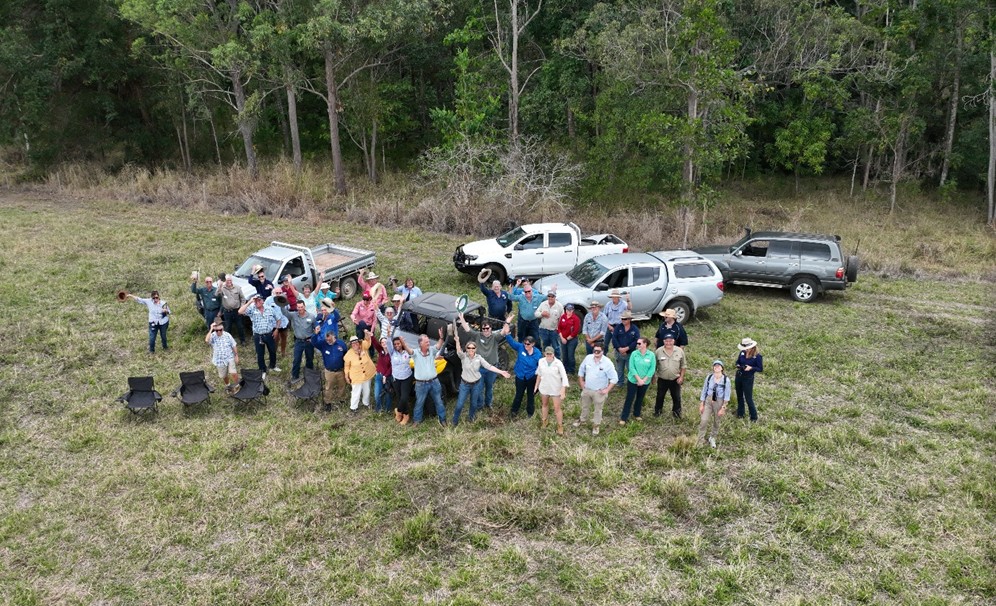
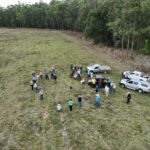
Grazing forum paddock group shot
2024 Grazing Forum Field Day

“Events like the Reef Catchments Annual Grazing Forum are an investment to the region. They bring together practical know-how, shared experience, and a strong sense of community. It gives graziers a chance to step off-farm, see what’s working for others, and pick up fresh ideas to improve herd health, lift pasture productivity, and strengthen the bottom line. The benefits ripple out – healthier land, more resilient businesses, and a network of graziers backing each other,” says Kellie.

The 2025 Grazing Forum will be held on Wednesday 22 October (Field Day) and Thursday 23 October (Forum). To find out more about this year’s Grazing Forum, contact Kellie Harmsworth: saf@reefcatchments.com, or 0456 182 348. Alternatively, click here to register.

The Grazing Forum is presented by Reef Catchments Ltd, through funding from the Australian Government and Glencore. 


Cows in grassy paddock
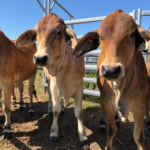
Sustainable Agriculture Brahman Cattle

Resilient Catchments Register

Share your knowledge. Register your idea. Shape the future of our land, sea and waterways.

Register now

Get to know us better

You’ll receive our monthly newsletter containing updates on events and workshops, community activities and information about how our projects are helping our regional environment and communities.

  • This field is for validation purposes and should be left unchanged.

© 2026 Reef Catchments · All rights reserved · Site by the dma

  • Disclaimer
  • Privacy Policy
  • Sitemap
  • Contact
  • Disclaimer
  • Privacy Policy
  • Sitemap
  • Contact
Reef Catchments would like to acknowledge the Traditional Owners, past and present, on whose land, sea and waters we work. We acknowledge their enduring spiritual and cultural connection and their responsibility as First People to maintain and care for Country.
While every effort is made to maintain a culturally respectful resource; Aboriginal and Torres Strait Islander people are advised that this website may contain images, voices and names of people who have passed away.