
When low tides revealed mud flats in the months of August to October this year, something remarkable happened along our coast. Locals came together in the intertidal zone, buckets in hand, ready to help restore one of the most important ecosystems in the Great Barrier Reef region: seagrass meadows.
These meadows provide food and shelter for marine life, protect our shorelines and play a vital role in reef health. Thanks to the dedication of local volunteers, project partners and the Reef Catchments Great Barrier Reef team, the 2025 seagrass flowering season was a vibrant success.
Six Events, One Shared Goal
Reef Catchments and project partners hosted six public events across Cannonvale and Seaforth Beaches. Each event gave volunteers the chance to learn, contribute, and see first-hand the life that thrives in these habitats. From tiny critters hiding among the blades to the flowers that hold the promise of new growth, every detail told a story of resilience.
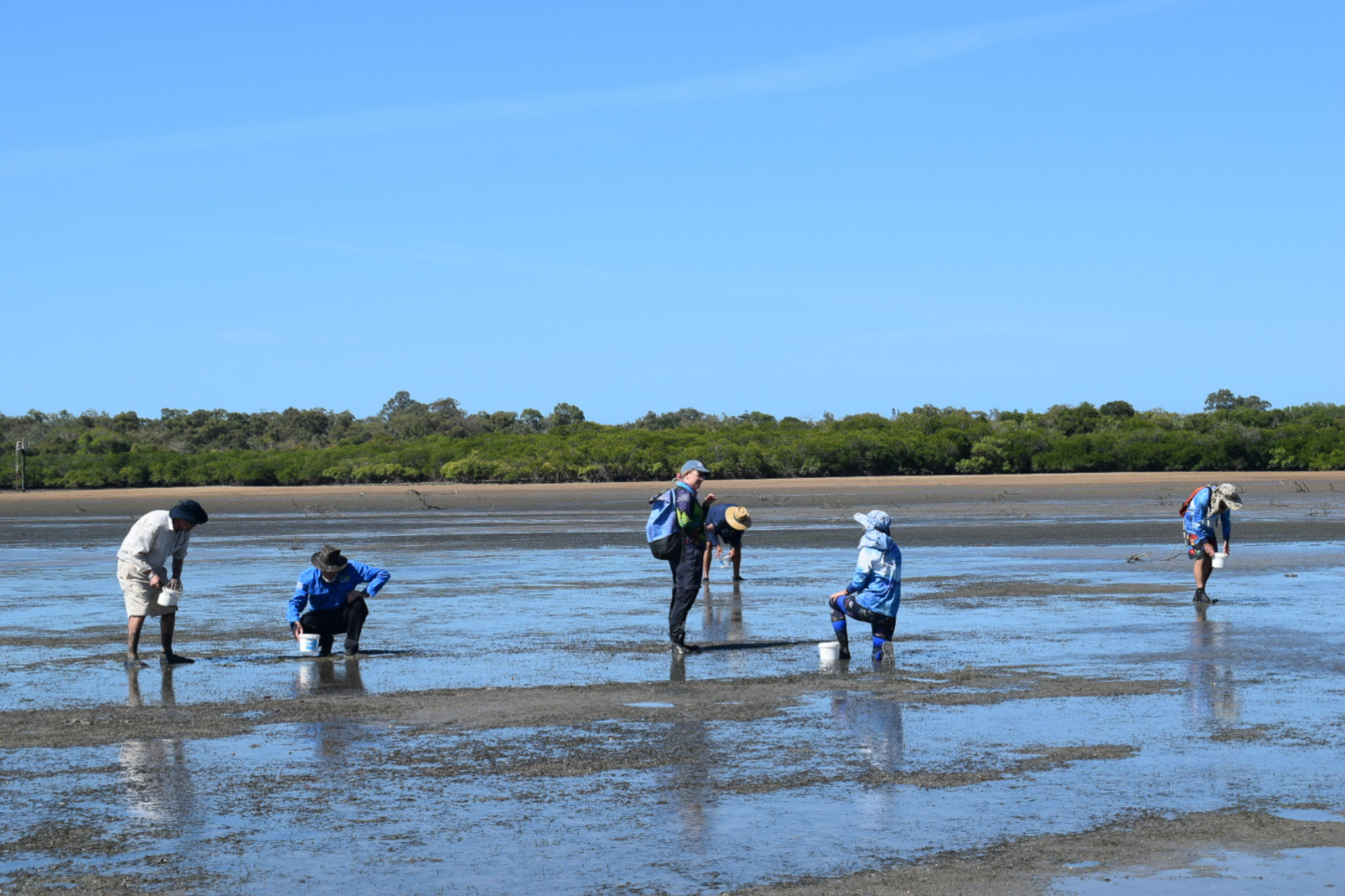
At Cannonvale Beach, Senior Project Officer Morgan Thomas guided volunteers through the process of collecting seagrass flowers and explained why these plants matter. Flowers collected during the events were stored at the Coral Sea Marina nursery, where seeds will be harvested and replanted by Central Queensland University scientists. This work directly supports restoration research in Pioneer Bay.
Across four Whitsunday events, 38 volunteers contributed 304 hours and collected 7 litres of seagrass flowers. These seeds will help restore Zostera muelleri meadows, strengthening the health of local ecosystems. Feedback showed participants improved their ability to identify seagrass species by 54% and increased their understanding of its role in the environment by 39%.
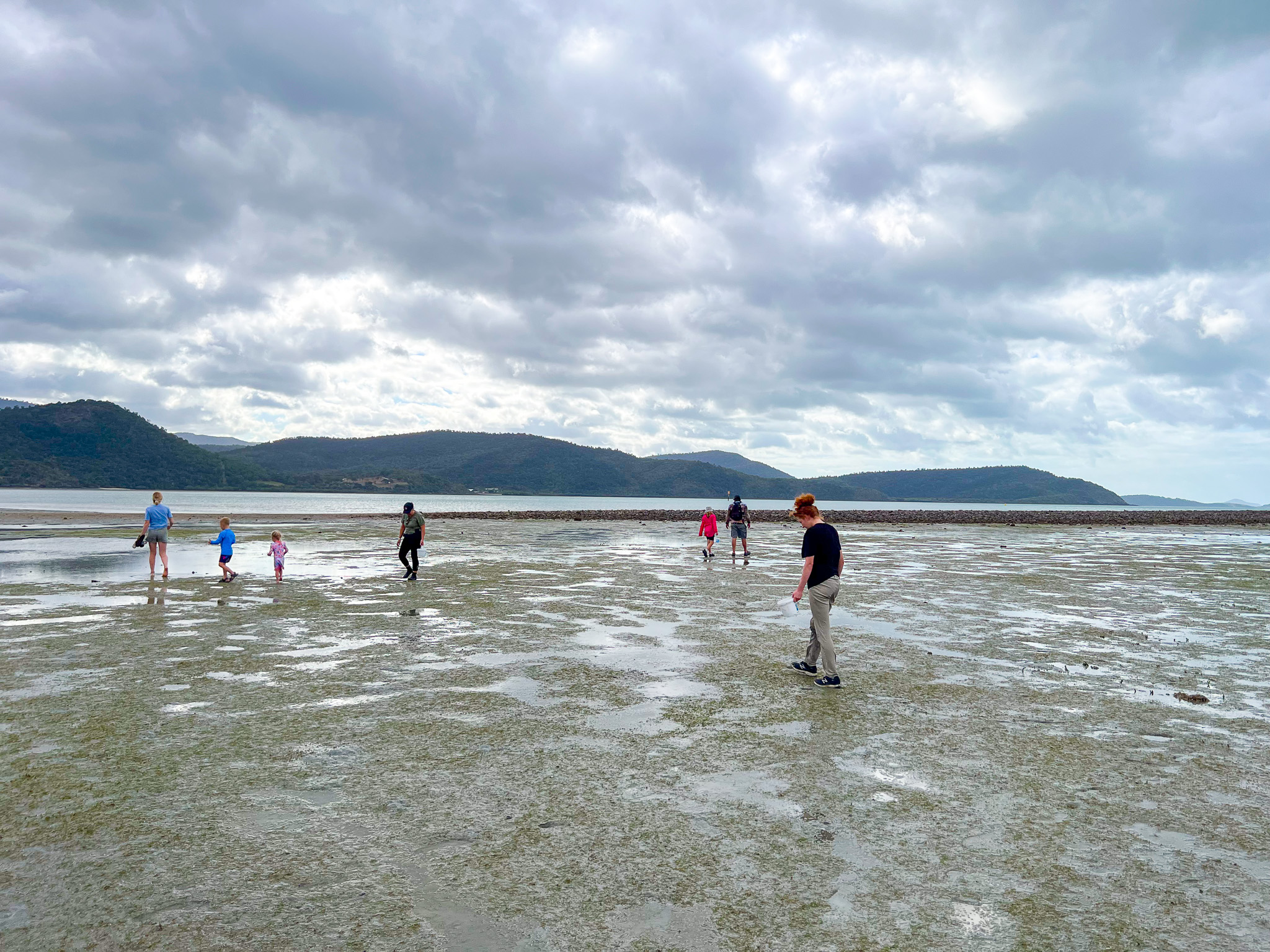
At Seaforth Beach, Project Officer Alexandra Williams worked alongside Yuwi Aboriginal Corporation Rangers to launch new restoration activities. Volunteers began the day with an Introduction to Country from Bronwin Tonga, who shared cultural knowledge about seagrass. This connection between science and culture added depth to the experience.
A total of 22 volunteers collected 5 litres of seagrass flowers and contributed plants for the expanded Coral Sea Marina nursery. These plants are thriving, and the tanks have even attracted sea hares. Knowledge gains were significant, with a 114% increase in species identification skills and an 18% improvement in understanding seagrass importance.
Critter Encounters: The Hidden Life of Seagrass Meadows
Every time volunteers stepped into the mud, they discovered more than flowers. Beneath the surface, seagrass meadows revealed a bustling community of creatures, each playing a role in keeping this ecosystem healthy:
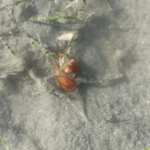
- Blue Swimmer Crab – Quick and agile, these crabs darted between the blades, feeding on fish, molluscs, and decaying plant matter. Their work helps recycle nutrients and keep the meadow balanced.
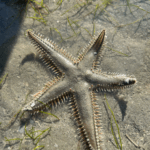
- Comb Sea Star – Spiky and secretive, this sea star hides just under the sand, emerging at night to hunt small invertebrates. It’s a quiet predator that helps maintain diversity.
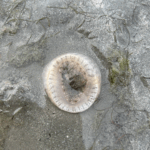
- Snails and Sand Collars – Tiny grazers keep seagrass blades clean by feeding on algae and decaying material. Their sand collar egg masses, curled like sandy bracelets, protect hundreds of developing embryos—future caretakers of the meadow.
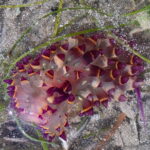
- Nudibranch – A jewel among the grasses, this delicate species flashes purple-tipped cerata edged with yellow. It grazes on bryozoans, adding colour and character to the underwater world.
- Tube Anemone – Anchored deep in the sediment, its flowing tentacles wave gently to capture plankton, cycling nutrients through the ecosystem.
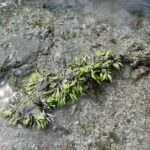
- Coraline Algae – Standing like tiny green clubs among the blades, these algae help stabilise sediments and maintain healthy meadows.
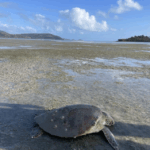
- Green Turtle – A gentle grazer gliding through the meadow, trimming seagrass blades to encourage new growth and shape the habitat for countless smaller species.
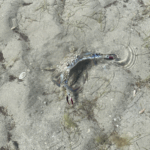
- Tube Worms and Brittle Stars – Often overlooked, these small creatures filter water and clean the seafloor, quietly supporting balance and productivity.
The Ripple Effect of Community Action
Every flower collected and every hour spent in the mud is a step toward a healthier coast. These efforts fuel seagrass restoration science, strengthen seagrass meadows and protect the marine life that depends on them – from tiny snails to green turtles. Strong meadows mean stronger shorelines and a more resilient Great Barrier Reef.
Thank you to everyone who rolled up their sleeves and made this season a huge success.
Seagrass restoration and research in the Whitsundays is delivered by CQ University, Reef Catchments, and OzFish Unlimited in partnership with the community. The project is funded by the Great Barrier Reef Foundation’s Reef Islands Initiative, which is supported by Lendlease, the Australian Government’s Reef Trust, the Queensland Government, and the Fitzgerald Family Foundation. The Scaling SeaGrow project is funded by the DCCEEW Reef Trust, and led by the Great Barrier Reef Foundation, with CMERC as science lead and Reef Catchments as the Whitsundays local coordinator.