• Skip to primary navigation
  • Skip to main content
Reef Catchments Three Colour PMS
  • About
    • Annual reports
    • CEO’s Message
    • Board members
    • Our team
    • Careers
    • Partners
    • Queensland NRM Network
    • Strategic plan
    • Become a member
    • Update your contact details
  • Projects
    • Sustainable Agriculture
    • Waterways
    • Biodiversity
    • Great Barrier Reef
  • NRM Plan
    • NRM Plan 2014-2024
    • NRM region map
    • NRM Plan supporting documents
  • News
    • Articles
    • Newsletters
    • Media releases
    • Citizen Science Calendar
  • Events
  • Resources
    • Species, ecosystems & pests
  • Get involved
  • Careers
  • Contact us
×
  • About
    • Annual reports
    • CEO’s Message
    • Board members
    • Our team
    • Careers
    • Partners
    • Queensland NRM Network
    • Strategic plan
    • Become a member
    • Update your contact details
  • Projects
    • Sustainable Agriculture
    • Waterways
    • Biodiversity
    • Great Barrier Reef
  • NRM Plan
    • NRM Plan 2014-2024
    • NRM region map
    • NRM Plan supporting documents
  • News
    • Articles
    • Newsletters
    • Media releases
    • Citizen Science Calendar
  • Events
  • Resources
    • Species, ecosystems & pests
  • Get involved
  • Careers
  • Contact us
Hide Search

gemma

Restoring Lagoon Creek: Reef Catchments secures $9.6 million to improve wetland health and Reef water quality

gemma · May 27, 2026 · Leave a Comment

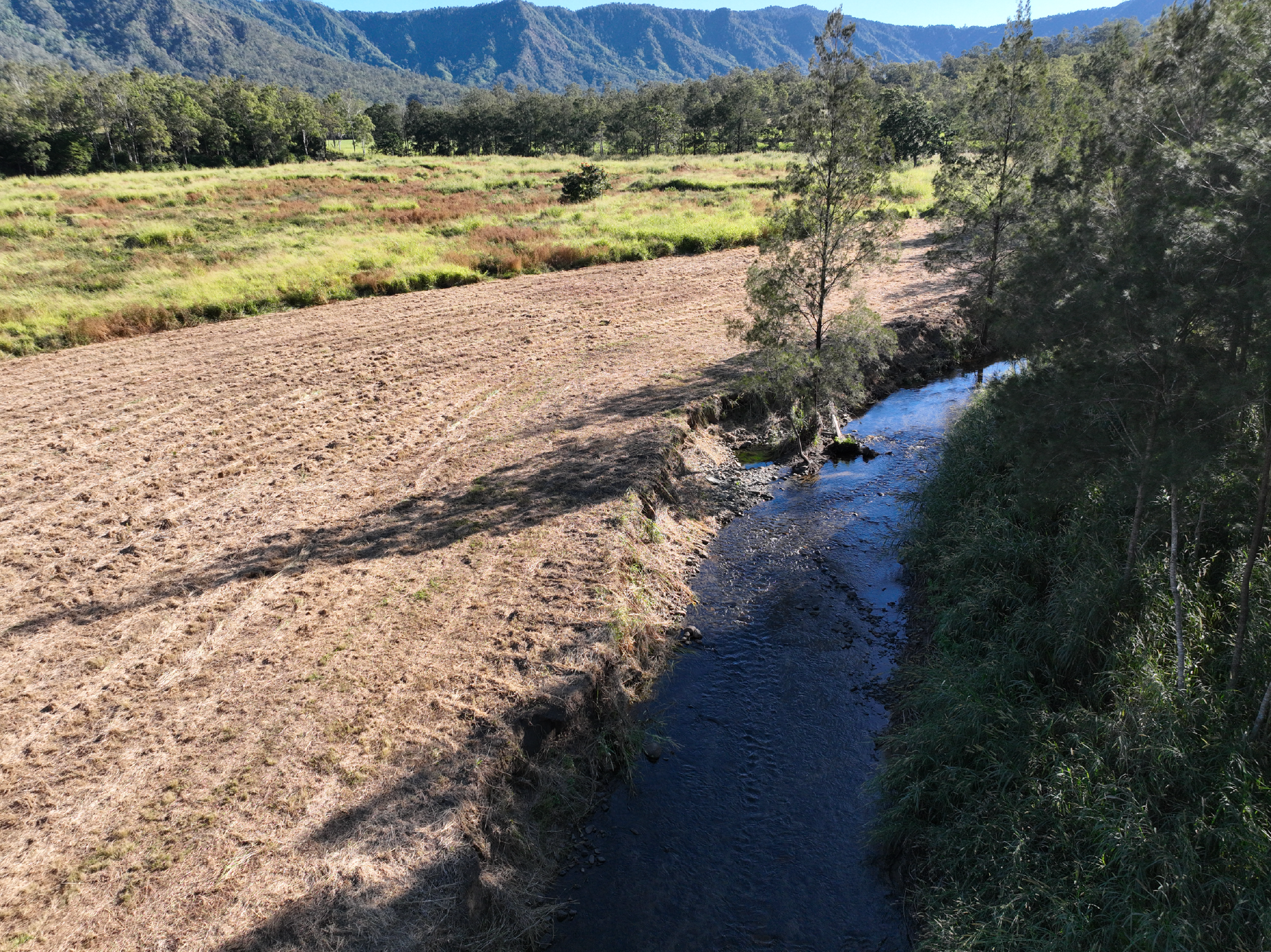
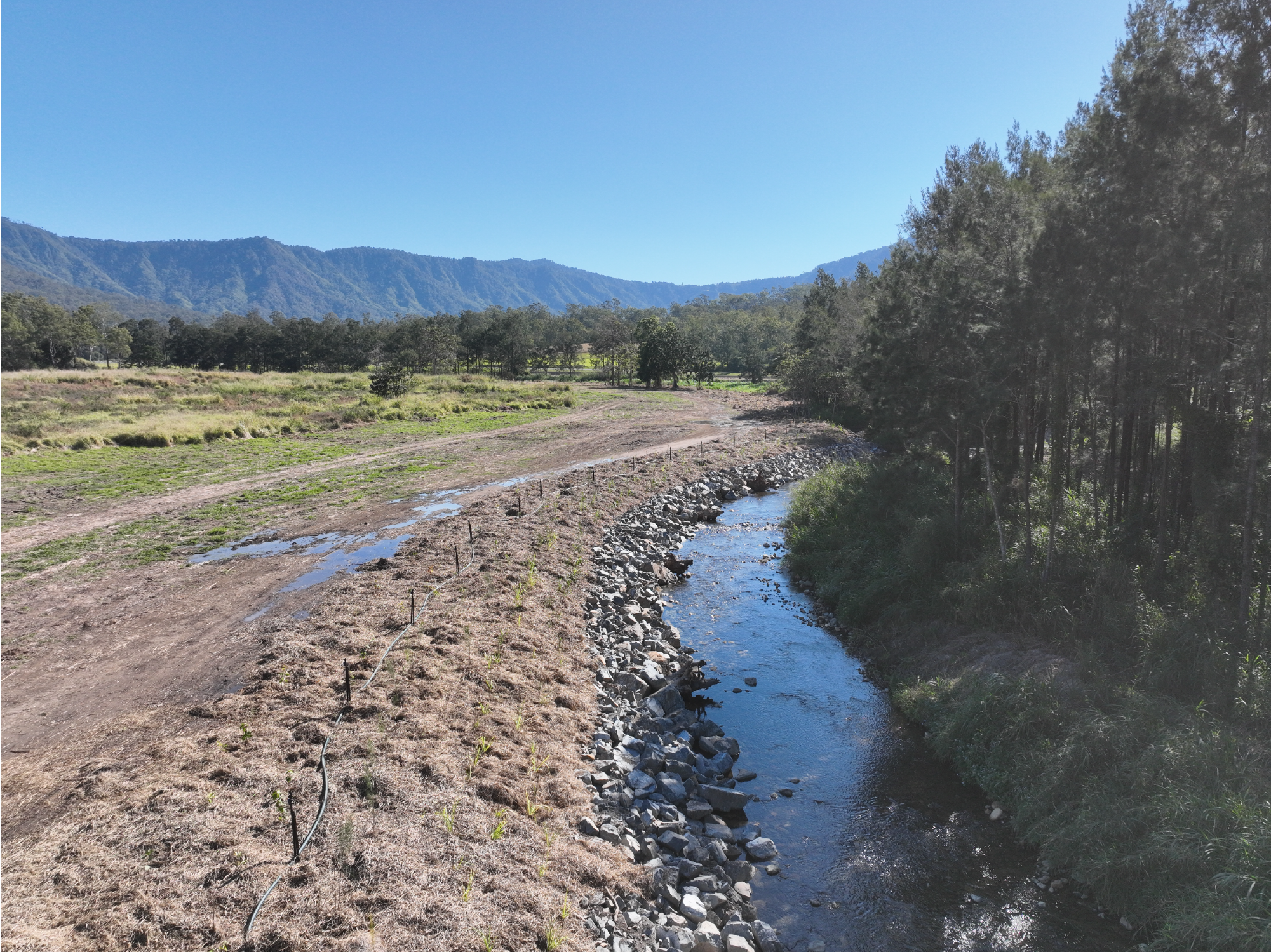
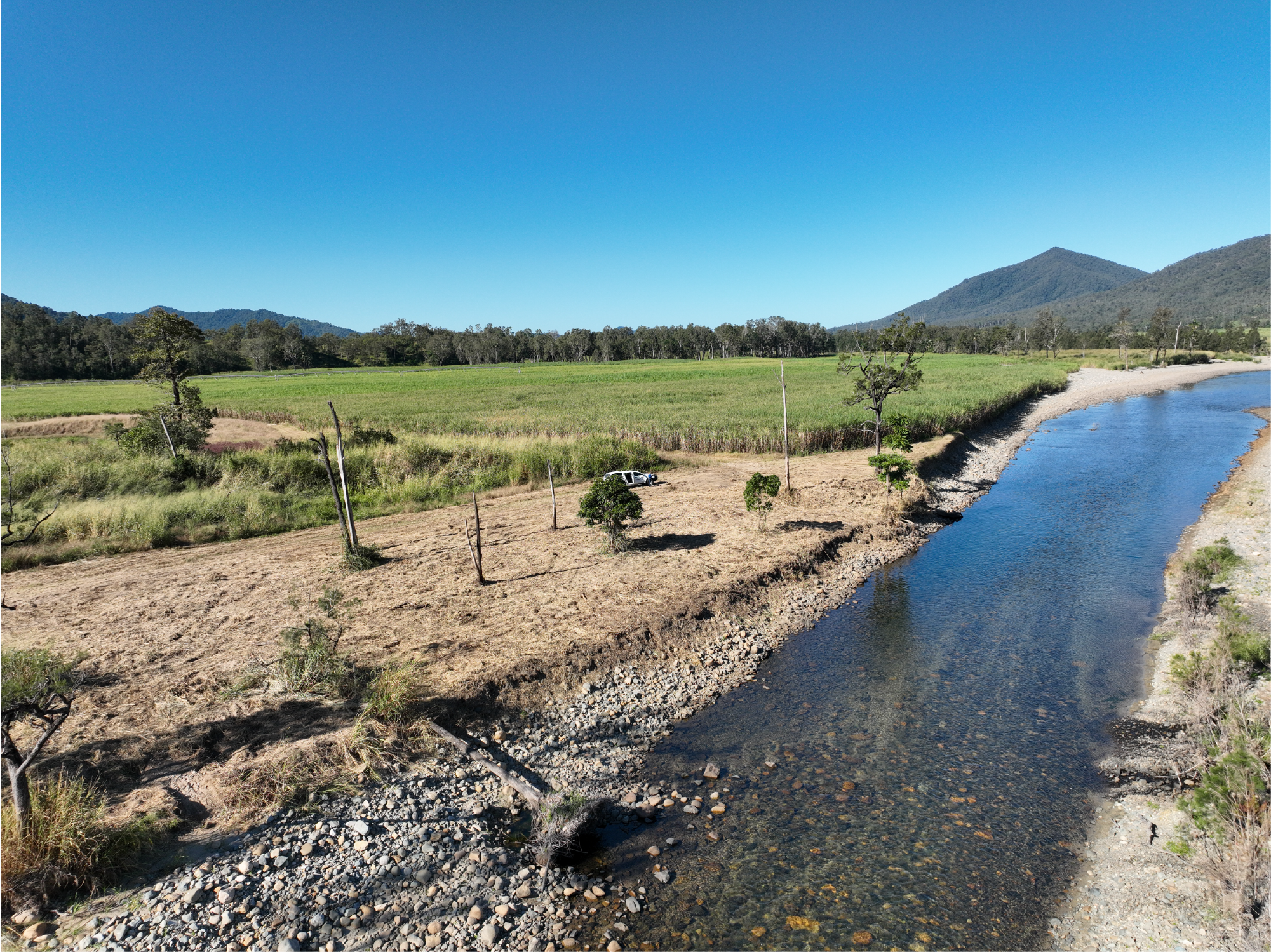
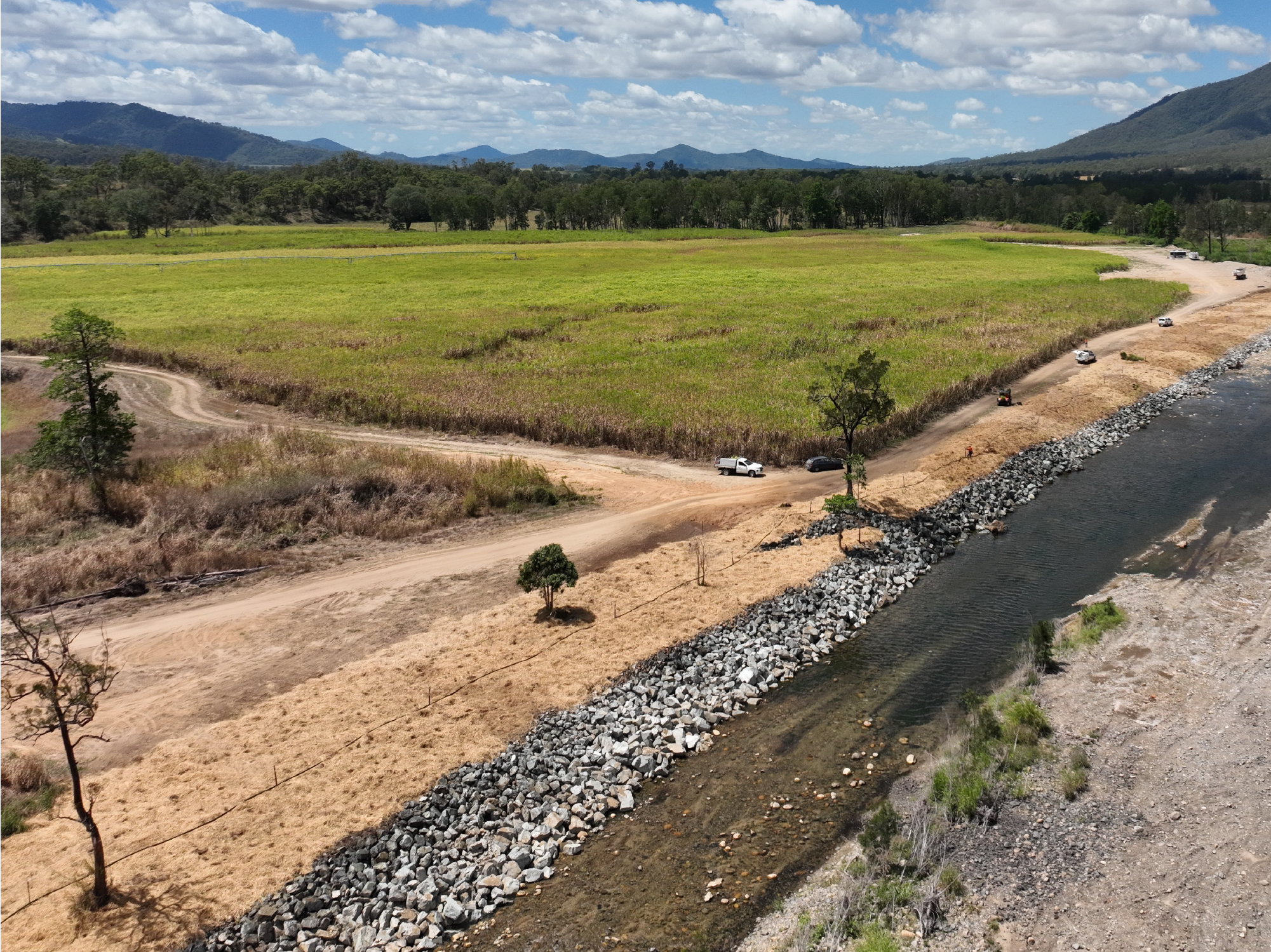
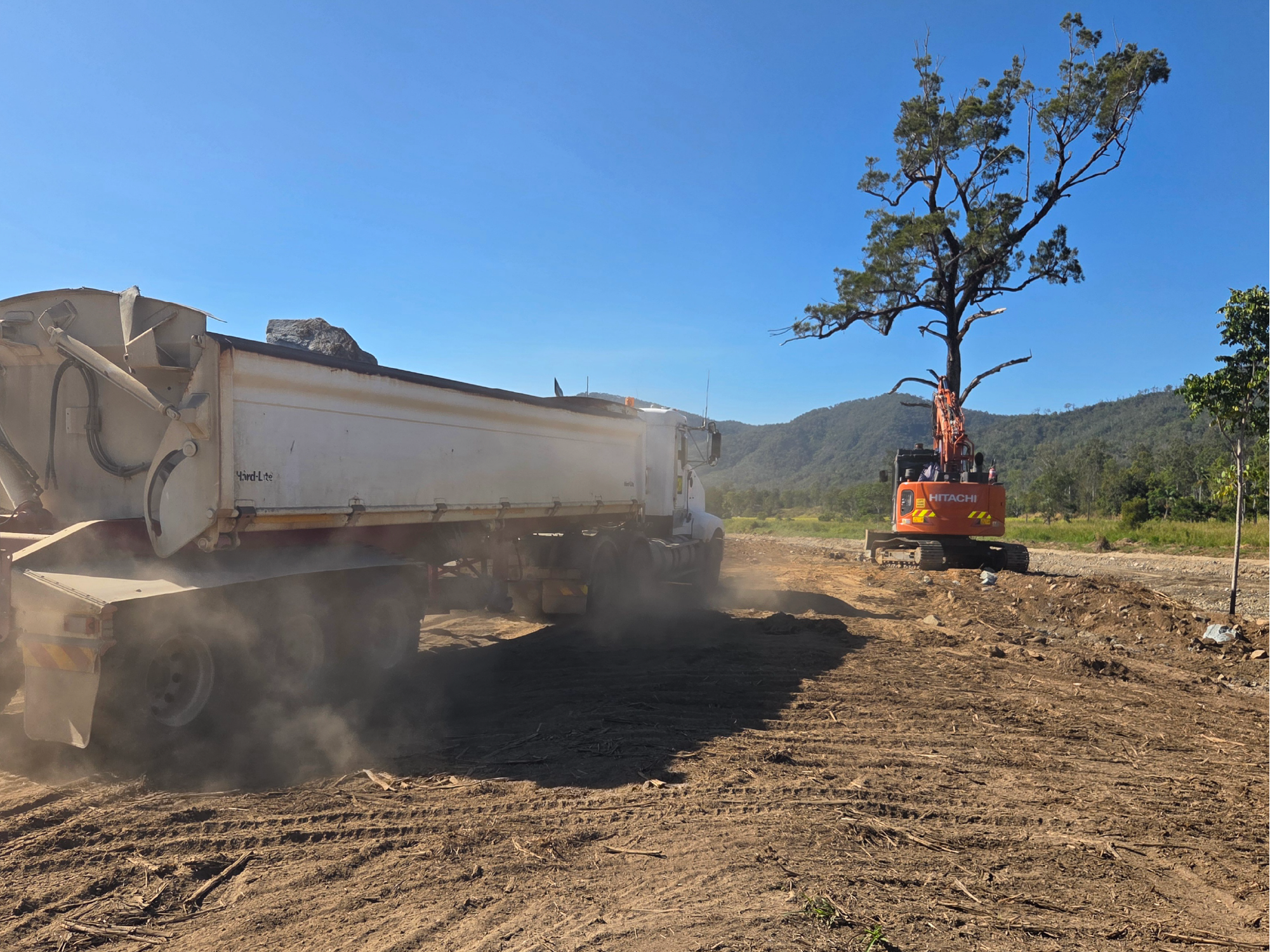
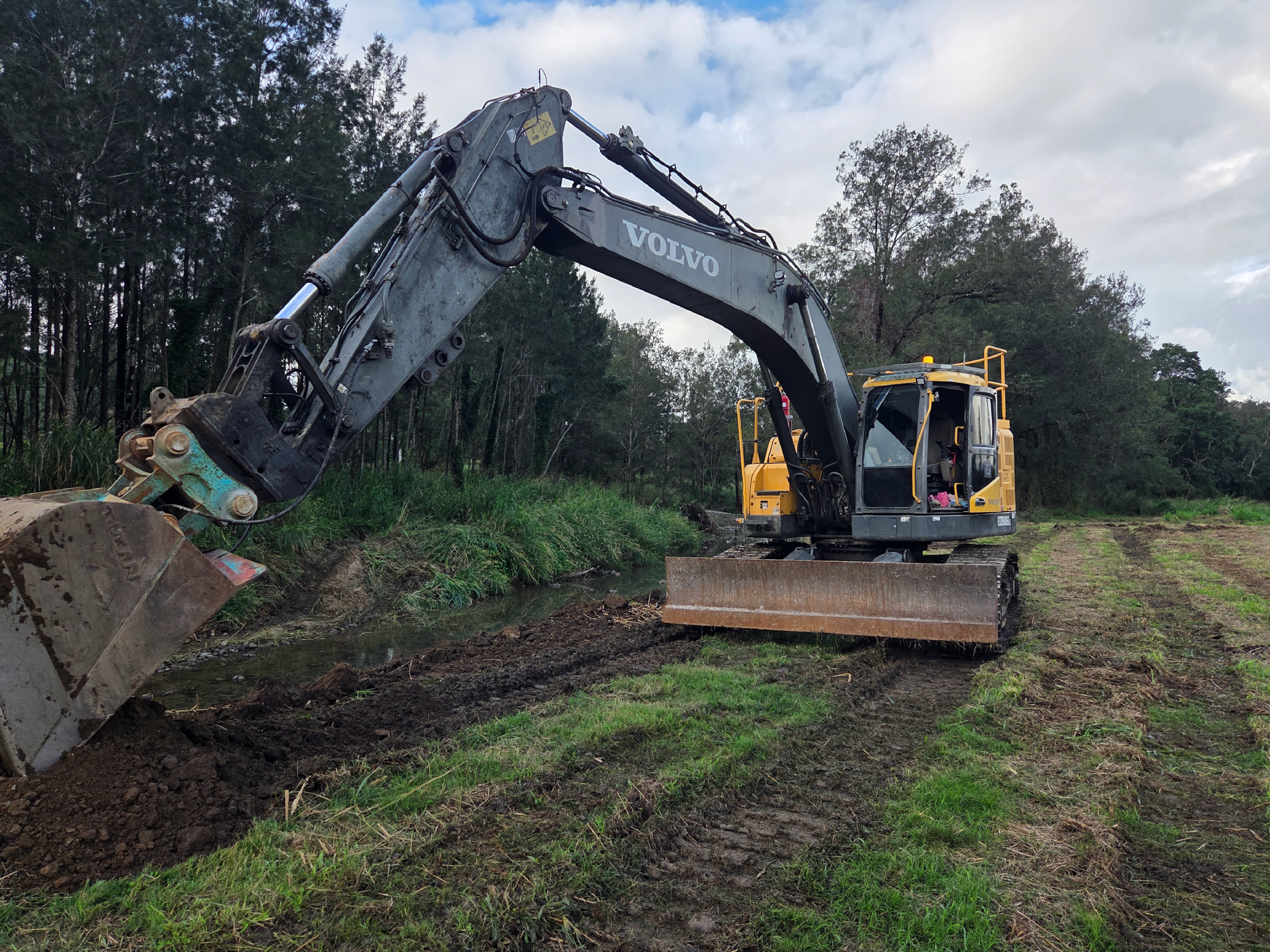
Reef Catchments is proud to announce it has been awarded $9.6 million in grant funding through the Australian Government’s Reefwise Wetlands Program to deliver the Lagoon Creek Wetland Remediation Project, a large-scale wetland and riparian restoration initiative in the Proserpine sub-catchment of the Mackay Whitsunday Isaac region.

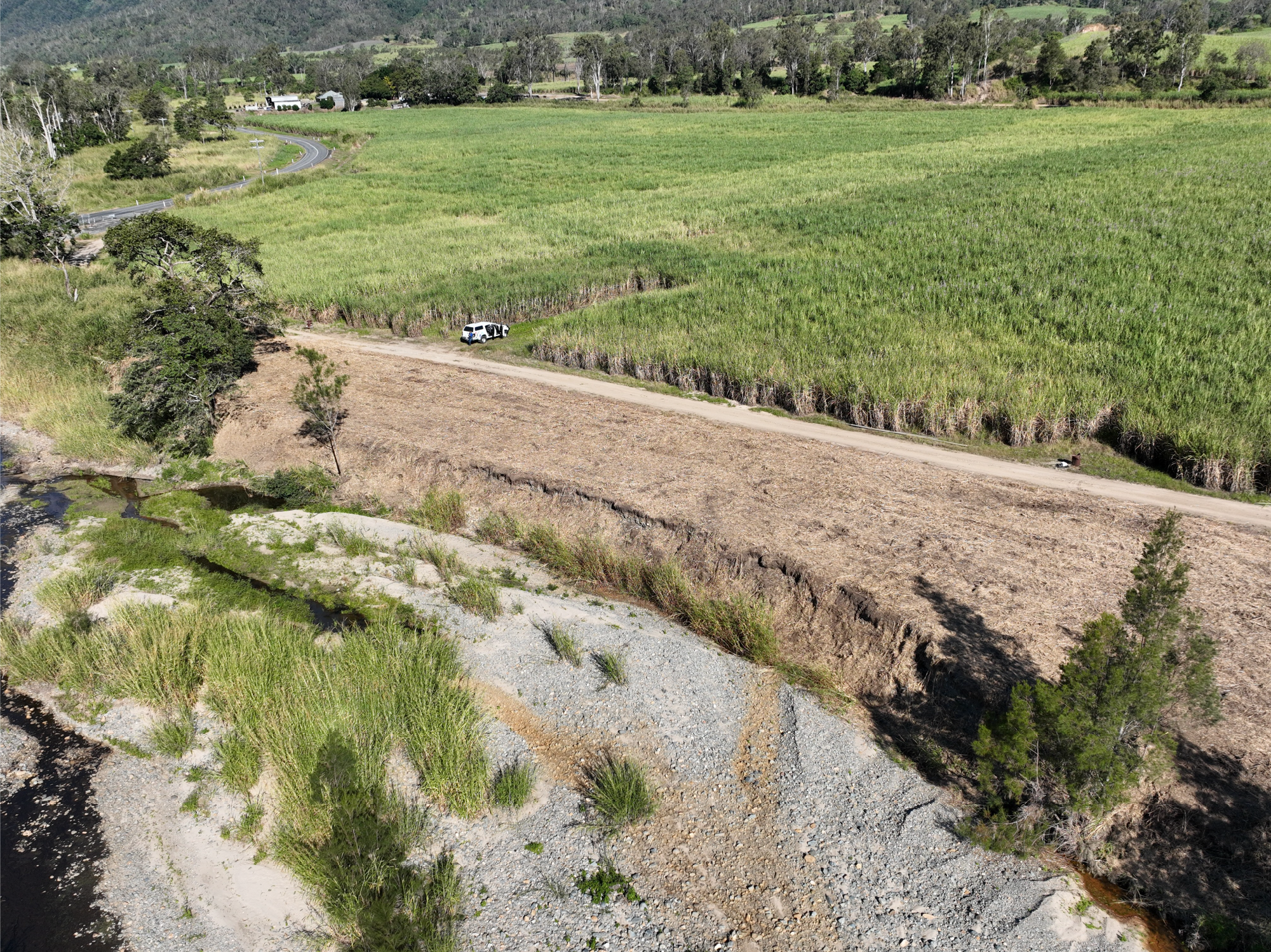
The project focuses on Lagoon Creek, a waterway that drains through farmland, riparian corridors and wetlands before reaching the ecologically significant Goorganga Plain wetland complex and Repulse Bay. Across the broader catchment, a combination of altered hydrology, wetland degradation, invasive weeds, erosion, and nutrient and sediment movement has impacted wetland function and downstream water quality, highlighting the importance of targeted rehabilitation and restoration efforts.

Working in partnership with Alluvium Consulting, local businesses and two adjoining landholders, Reef Catchments will oversee the design and implementation of coordinated wetland rehabilitation works, contributing to important improvements in water quality.

At the heart of the project is a 4.5 km treatment train spanning the two farms. Recommended by the Reef 2050 Wetlands Strategy, this whole-of-system approach uses a sequence of interconnected treatments to capture and filter agricultural runoff before it enters the creek and downstream wetland systems. Works will include:

  • Construction of treatment wetlands to capture and treat runoff from surrounding farmland
  • Installation of vegetated drains and grass buffer strips to slow water flow, reducing erosion and filter pollutants
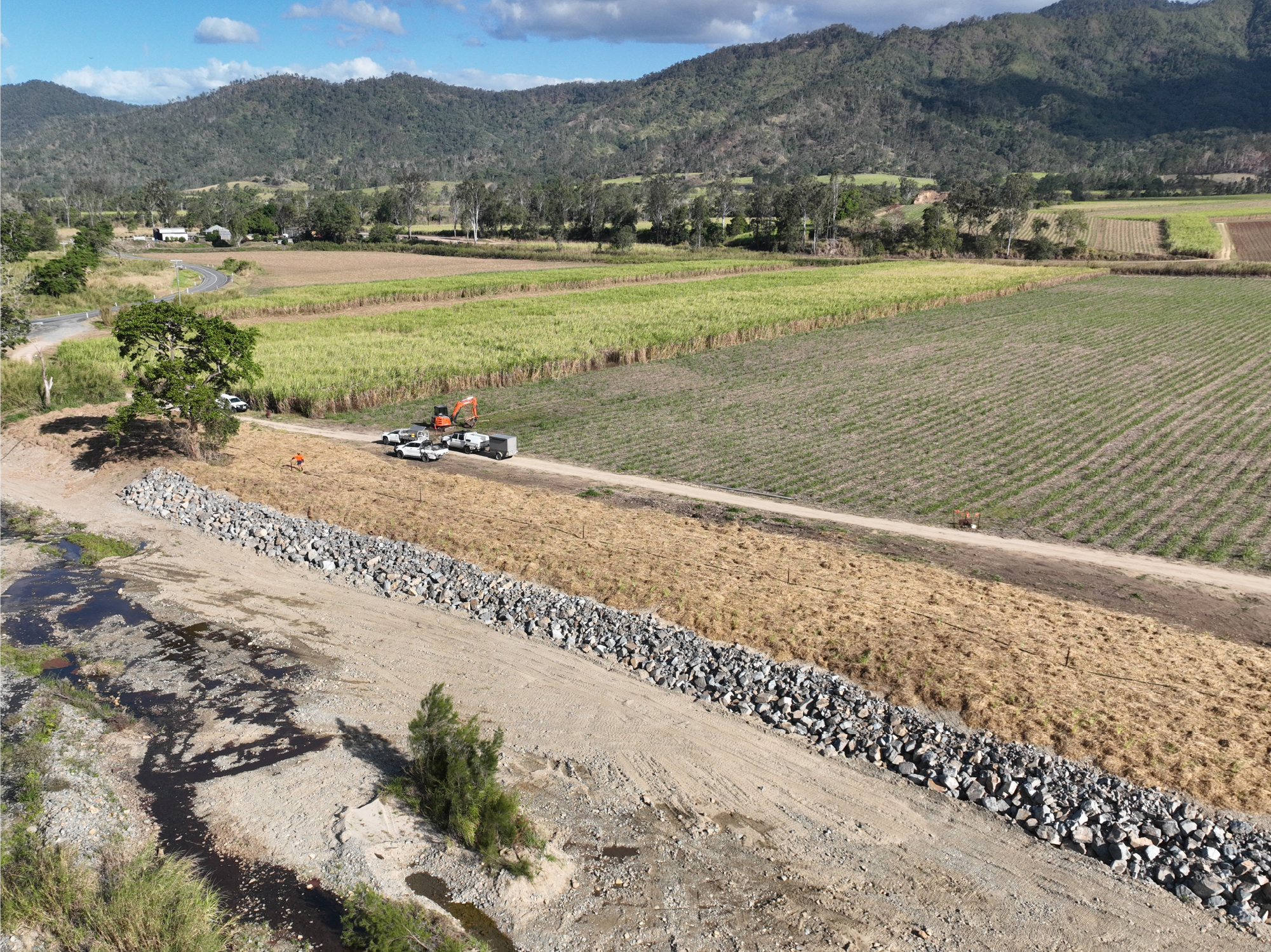
  • Streambank stabilisation targeting areas of active erosion along Lagoon Creek
  • Revegetation of riparian corridors along Lagoon Creek, restoring approximately 13 ha of vegetation along the creek bank
  • Wetland rehabilitation, including weed control targeting invasive Hymenachne and paragrass, and restoration of natural water flow regime.

The project will rehabilitate three wetland areas along Lagoon Creek. Together, the works aim to restore and enhance ecosystem function across 50 ha of wetland and riparian area and reconnect more than 60 ha of remnant native habitat.

The project area contains likely habitat for the Critically Endangered Eastern Curlew and Curlew Sandpiper, as well as other vulnerable migratory bird species, and for the Endangered Broad-leaf Tea-tree (Melaleuca viridiflora).

The project has a strong focus on landholder engagement, ensuring on-farm benefits, including improved drainage, irrigation water reuse and sediment management, support the long-term commitment of landholders to maintain the restored systems.

Truii Pty Ltd will also pilot Natural Capital Accounts for the participating farms, measuring the environmental and economic co-benefits of the project and exploring emerging environmental market opportunities.

The Lagoon Creek Wetland Remediation Project runs from February 2026 to March 2030 and is part of the Australian Government’s $1.2 billion investment over nine years to protect and restore the Great Barrier Reef, funded through the Government’s Reef Trust and contributing to Reef 2050 Plan priorities.


Safeguarding our region’s most threatened ecological communities through regional collaboration

gemma · May 27, 2026 · Leave a Comment

A major $7.8 million investment through the Natural Resource Management Expansion Program (NRMEP) is enabling one of the Mackay Whitsunday Isaac region’s most targeted biodiversity restoration efforts to date. Backed by Queensland Government funding, Reef Catchments and local Landcare partners will deliver an ambitious program to improve the condition and extent of high value Threatened Ecological Communities (TECs) across the region.

The $2.49 million project will focus on two nationally significant ecosystems: Littoral Rainforest and Coastal Vine Thickets of Eastern Australia (Beach Scrub) and Broad Leaf Tea Tree (Melaleuca viridiflora) Woodlands in high rainfall coastal north Queensland (Broad Leaf Tea Tree Woodlands). Listing of TECs recognises that key natural assets are under tremendous pressure and a ‘whole of system’ or landscape approach to environmental protection is necessary.  Historically, clearing for agriculture and farming in the Wet Tropics and Central Mackay Coast bioregions occurred in grasslands and more fertile areas containing rainforest and eucalypt woodlands. However, as fertile land became more scarce; areas containing these TECs have been lost to various land uses including agriculture and urban development. The majority of these areas were cleared prior to the mid-1990s.

Beach Scrub is influenced by its proximity to the sea. The canopy, which protects less tolerant species and smaller vegetation in the understorey from salt laden winds, can range from patchy to closed. There may be emergent species as well as numerous fallen trees due to ongoing natural disturbance, which provide habitat. It is now a Critically Endangered ecological community, facing an extremely high risk of loss from natural areas in the immediate future. Its extent across the Queensland coastline has been significantly reduced and the main threats to Beach Scrub include clearing, coastal development, visitor disturbance, weed invasion, fire and the effects of fragmentation.

Broad Leaf Tea Tree Woodlands (BLTT Woodlands) occur in high rainfall floodplain areas in the Wet Tropics and Central Mackay Coast bioregions of Queensland. Whilst most Broad Leaf Tea Tree Woodlands occur within 20 km of the coastline, some can be found further inland. Broad leaf tea trees flowers provide an abundance of nectar for birds, invertebrates (notably butterflies) and mammals and the sandy or clay soils provide habitat for many frog and reptile species. Classified as Endangered, representative patches of Broad Leaf Tea Tree Woodlands are at very high risk of being lost in the near future.  The main threat to this ecological community has been land clearing and degradation from weed invasion and grazing by introduced animals such as cattle, horses and pigs. Inappropriate fire regimes, exotic species, wildlife harvesting and changes in hydrological regimes have also affected this TEC.

These TECs provide habitat for an extraordinary array of species, from migratory and coastal shorebirds to nectar feeding mammals, frogs, reptiles and butterflies. Beach Scrub supports over 70 species, providing food, nesting habitat and essential coastal corridors. Local Broad Leaf Tea Tree Woodlands are equally rich, supporting at least 60 bird species, 36 butterflies, 14 reptiles, 10 frogs and 8 mammals – including the greater glider, one of Australia’s most iconic arboreal marsupials.

“Protecting these ecological communities is critical to the long-term health of our region’s biodiversity,” Reef Catchments Land and Water Program Director, Bernie Cockayne, said “With this funding, we can take targeted action to restore and protect vital habitats that support threatened species, strengthen landscape resilience, and safeguard our coastlines from erosion and storm impacts. Importantly, this project enables us to work in partnership with the community to deliver lasting environmental outcomes.”

The project brings together the Central Queensland Coast Landcare Network, comprised of Whitsunday Catchment Landcare (WCL), Pioneer Catchment & Landcare Group (PCL) and Sarina Landcare Catchment Management Association (SLCMA), uniting decades of community driven knowledge with strong on-ground delivery capability. Working alongside Reef Catchments, this partnership model ensures that restoration efforts are locally informed, collaborative and coordinated across the region.

“The local Landcare groups are enthusiastic about partnering with the regional NRM body to deliver this important project. Landcare has been actively caring for the Central Queensland coastline for over 30 years, and this funding represents a valuable investment to continue and strengthen this critical work into the future. Investing in the restoration of these endangered communities supports biodiversity conservation, strengthens natural coastal defences, and delivers long-term environmental benefits for both local landscapes and the broader reef catchment.” said Nancy Pratt, Operations Manager for Pioneer Catchment and Landcare Group.


Resilient Catchments Register

Share your knowledge. Register your idea. Shape the future of our land, sea and waterways.

Register now

Get to know us better

You’ll receive our monthly newsletter containing updates on events and workshops, community activities and information about how our projects are helping our regional environment and communities.

  • This field is for validation purposes and should be left unchanged.

© 2026 Reef Catchments · All rights reserved · Site by the dma

  • Disclaimer
  • Privacy Policy
  • Sitemap
  • Contact
  • Disclaimer
  • Privacy Policy
  • Sitemap
  • Contact
Reef Catchments would like to acknowledge the Traditional Owners, past and present, on whose land, sea and waters we work. We acknowledge their enduring spiritual and cultural connection and their responsibility as First People to maintain and care for Country.
While every effort is made to maintain a culturally respectful resource; Aboriginal and Torres Strait Islander people are advised that this website may contain images, voices and names of people who have passed away.