• Skip to primary navigation
  • Skip to main content
Reef Catchments Three Colour PMS
  • About
    • Annual reports
    • CEO’s Message
    • Board members
    • Our team
    • Careers
    • Partners
    • Queensland NRM Network
    • Strategic plan
    • Become a member
    • Update your contact details
  • Projects
    • Sustainable Agriculture
    • Waterways
    • Biodiversity
    • Great Barrier Reef
  • NRM Plan
    • NRM Plan 2014-2024
    • NRM region map
    • NRM Plan supporting documents
  • News
    • Articles
    • Newsletters
    • Media releases
    • Citizen Science Calendar
  • Events
  • Resources
    • Species, ecosystems & pests
  • Get involved
  • Careers
  • Contact us
×
  • About
    • Annual reports
    • CEO’s Message
    • Board members
    • Our team
    • Careers
    • Partners
    • Queensland NRM Network
    • Strategic plan
    • Become a member
    • Update your contact details
  • Projects
    • Sustainable Agriculture
    • Waterways
    • Biodiversity
    • Great Barrier Reef
  • NRM Plan
    • NRM Plan 2014-2024
    • NRM region map
    • NRM Plan supporting documents
  • News
    • Articles
    • Newsletters
    • Media releases
    • Citizen Science Calendar
  • Events
  • Resources
    • Species, ecosystems & pests
  • Get involved
  • Careers
  • Contact us
Hide Search

Archives for August 2025

Showcasing Projects

jamie · Aug 21, 2025 · Leave a Comment

On-Ground Restoration Showcased During Reef 2050 Advisory Committee Visit

Reef Catchments recently welcomed members of the Reef 2050 Advisory Committee (RAC) to Murray Creek, providing a first-hand look at the on-ground efforts driving water quality improvements for the Great Barrier Reef.

The RAC, which plays an advisory role in guiding strategic action under the Reef 2050 Plan, visited the Mackay region to gain insights into the practical challenges, successes, and partnerships behind natural resource management (NRM) projects.

Partnerships Creating Lasting Change

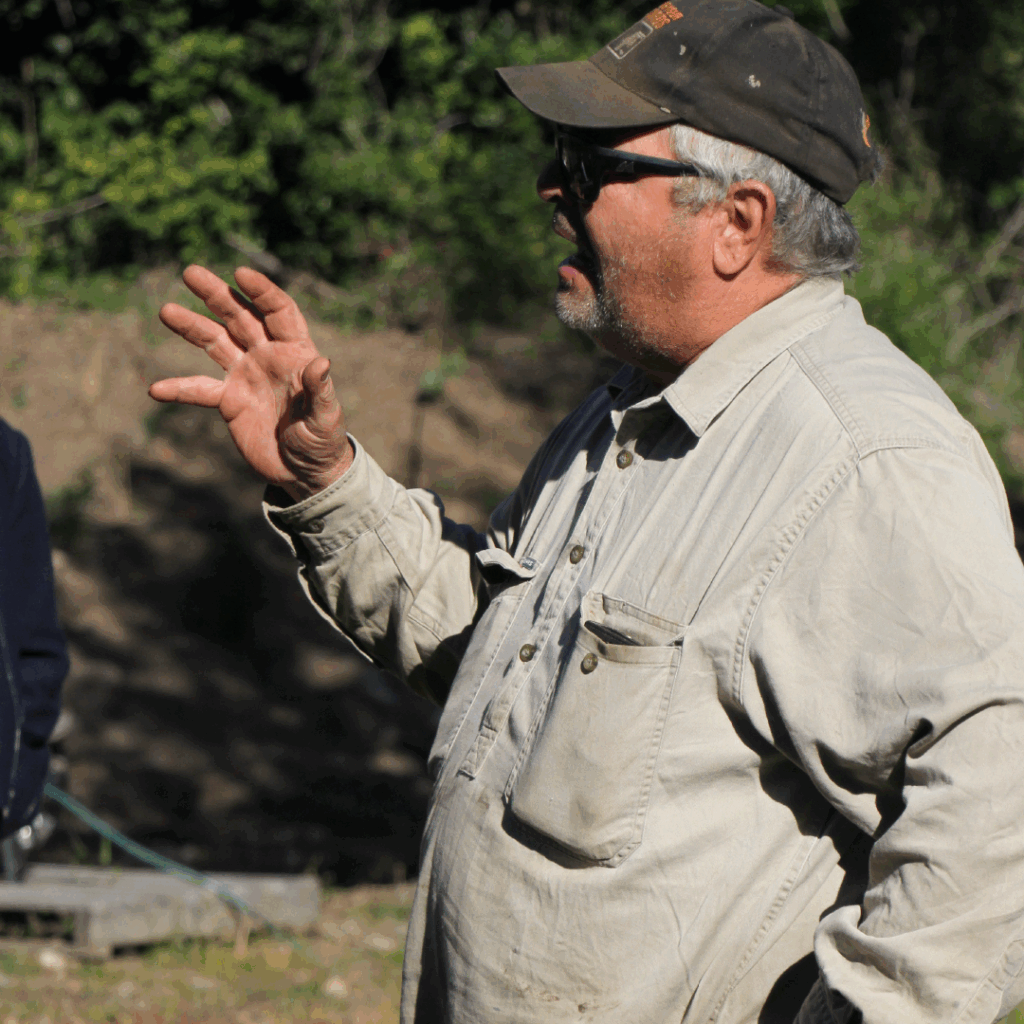
The tour highlighted a 7 km stretch of Murray Creek, where landholder Peter Barreta has worked with Reef Catchments over many years to stabilise eroding streambanks and restore riparian health. Peter shared how severe erosion once threatened valuable sections of the property and how the restoration journey has transformed both the landscape and his connection with it. His work has caught the attention of neighbouring landholders who have shown interest in the work being carried out.

Smart Design, Better Outcomes

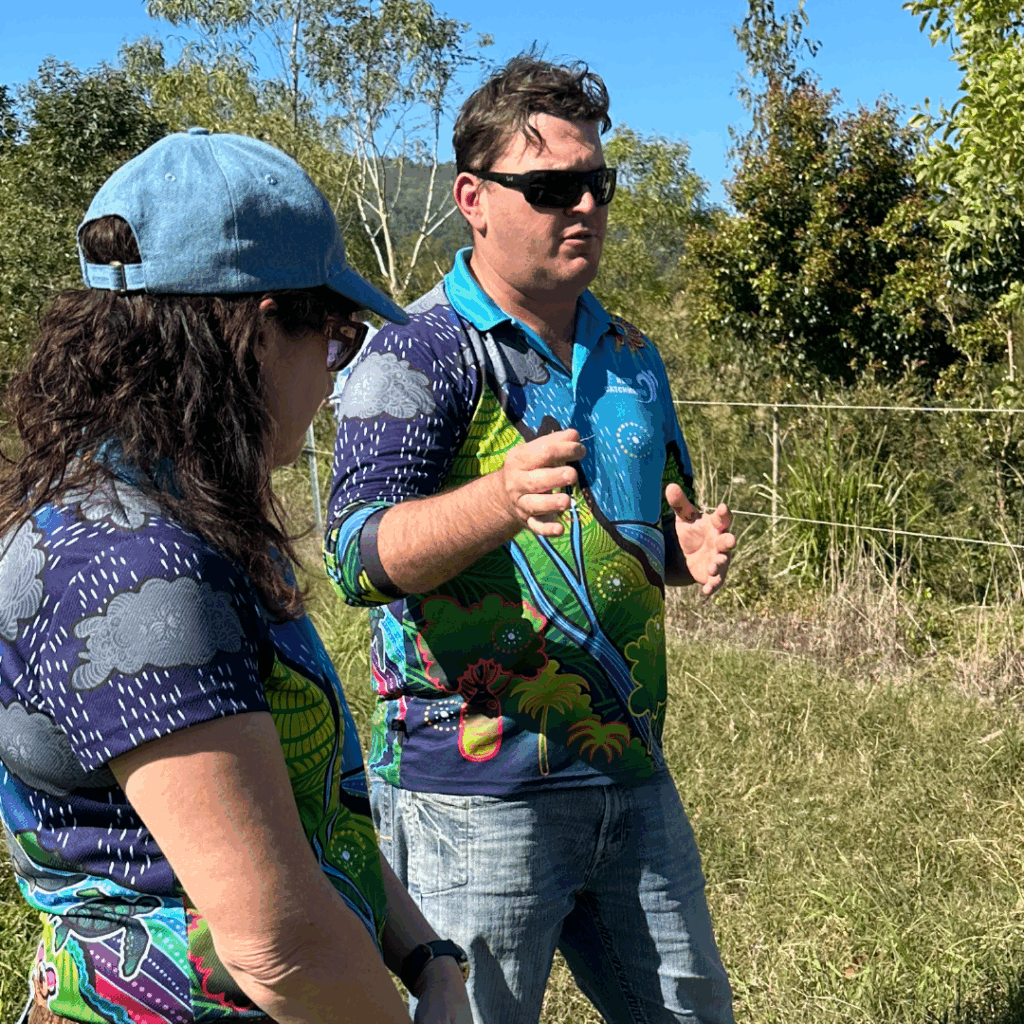
Reef Catchments Project Manager Brendan Smith explained the engineering and ecological strategies behind the works. At one site, a steep eroded bank close to a pocket of valuable palms was stabilised by building the bank forward with river material and supported through pile fields, root balls and rock rather than cutting further into a valuable pocket of vegetation. Other locations on the property showcased the evolution of project techniques, from a gully planted just 12 months ago with tube stock now reaching shoulder height, to older works where long-term monitoring has led to improved, more durable solutions. “Each site has its unique challenges, so we work closely with our engineering partners and install contractors to ensure the work we end up delivering to prevent erosion is fit for purpose. By being adaptive and delivering a collaborative soliton we give our sites the best chance of success”
Strong Local Partnerships

Also attending on the day was Glenn Croxford of Strathdickie Plant Hire, a long-time partner of Reef Catchments. Glenn spoke of his personal commitment to each site, highlighting how attention to detail and a strong sense of ownership contribute to the success of these projects. This large-scale reach remediation approach is made possible through ongoing collaboration between Reef Catchments, multiple funding sources, landholder Peter Barreta, and local contractors including GM Grader Hire, Strathdickie Plant Hire, and Jeppesen Farming Co.

Emma Jones, Principal Project Officer, highlighted how ongoing collaboration between landholders, contractors, and Reef Catchments ensures effective and lasting restoration outcomes. “Maintaining long term strong relationships with our contractors and landholders is critical for site success. If our landholders and contractors have bought into the outcomes of the project they go above and beyond to ensure successful site delivery.”

Why It Matters

Streambank erosion is a significant source of sediment entering reef catchments, impacting both land productivity and downstream water quality. Projects like this one at Murray Creek demonstrate the long-term value of early planning, consistent investment, and meaningful partnerships. By restoring riparian vegetation, stabilising banks, and protecting key ecological areas, we not only reduce sediment runoff but also enhance habitat, increase biodiversity, and support more resilient farming systems. These are the kinds of collaborative, evidence-based efforts that contribute directly to the Reef 2050 vision of a healthy Reef and a sustainable future.
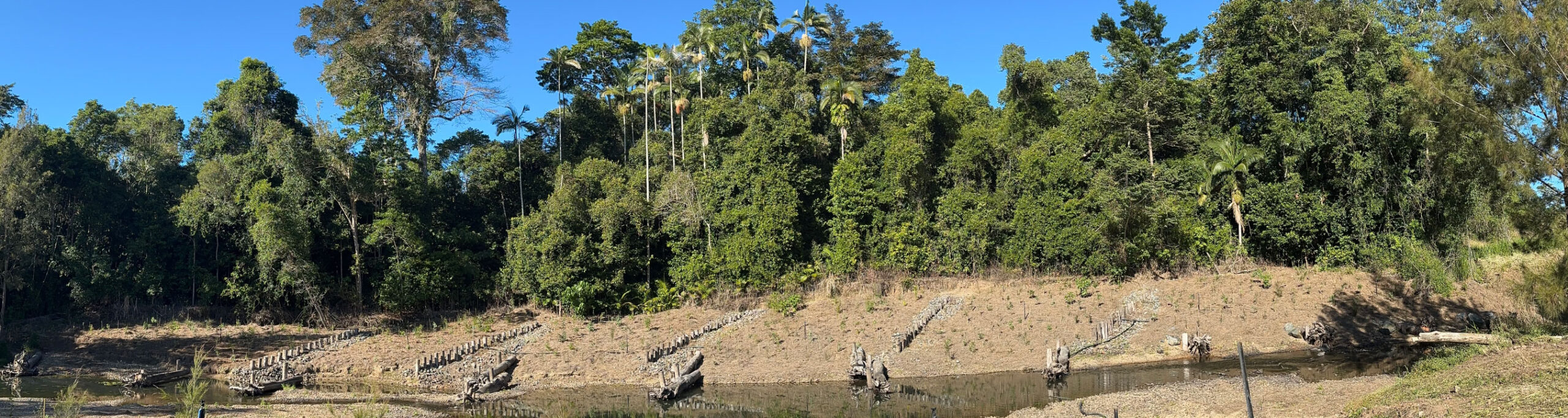
Murray Creek showing streambank landscaping with rows of pilons and tall vegetation behind

Project Details 

This work has been delivered through several key projects over recent years. Initial stages were supported by the Reef Trust 4 Program (funded by the Australian Government’s Reef Trust), with major works commencing in 2020 including streambank stabilisation, revegetation, and 3.4 km of riparian fencing. In 2024, further improvements were delivered through the Streambank Remediation Program – O’Connell Sites Project (funded through the Queensland Government’s Queensland Reef Water Quality Program and the Australian Government’s Reef Trust), focusing on engineered works to protect high-value remnant vegetation. Most recently, ongoing efforts are continuing under the MWI Landscape Repair Program (also funded by the Australian Government’s Reef Trust), with additional fencing, weed control, and revegetation planned into the 2025–2026 financial year.

At this property alone, over 7km of streambank has been stabilised and restored through strategic riparian fencing, revegetation, and erosion control, made possible through several completed and ongoing projects.including the Australian Governments Reef Trust 4 Program, the Queensland Government’s Queensland Streambank Remediation Program – O’Connell Sites project, the Preparing Australian Communities – Nature Based Solutions to Build Regional Resilience project and the Australian Government Reef Trust Mackay Whitsunday Isaac Landscape Repair Program. With ongoing collaboration between Reef Catchments, multiple funding sources, landholder Peter Baretta, and local contractors GM Grader Hire, Strathdickie Plant Hire and Jeppesen Farming Co., this large-scale reach remediation approach is possible.”
 

Hard vs Soft Corals

jamie · Aug 15, 2025 · Leave a Comment

If you’re a snorkeller, diver, swimmer or avid boatie, you’re no stranger to the beauty of the Great Barrier Reef. Named one of the seven natural wonders of the world, it draws people from every corner of the globe; each hoping to catch a glimpse of its vast, colourful, living seascape.  

Even from above the water, you can see a patchwork of colour and movement. Fish flicker between coral outcrops. Sea turtles cruise past bommies. You may even see a ray or two. Below the surface, a network of coral structures stretches in all directions – some soft and flowing with the current, others rigid, branching, and built like underwater architecture. The beauty is awe-inspiring, but to the trained eye, there’s also a story about the reef unfolding. 

That subtle difference between the flexible, fabric-like corals and their solid, stone-like neighbours reveals more than just variation. It can reveal insights about the underlying health and resilience of the reef itself. 

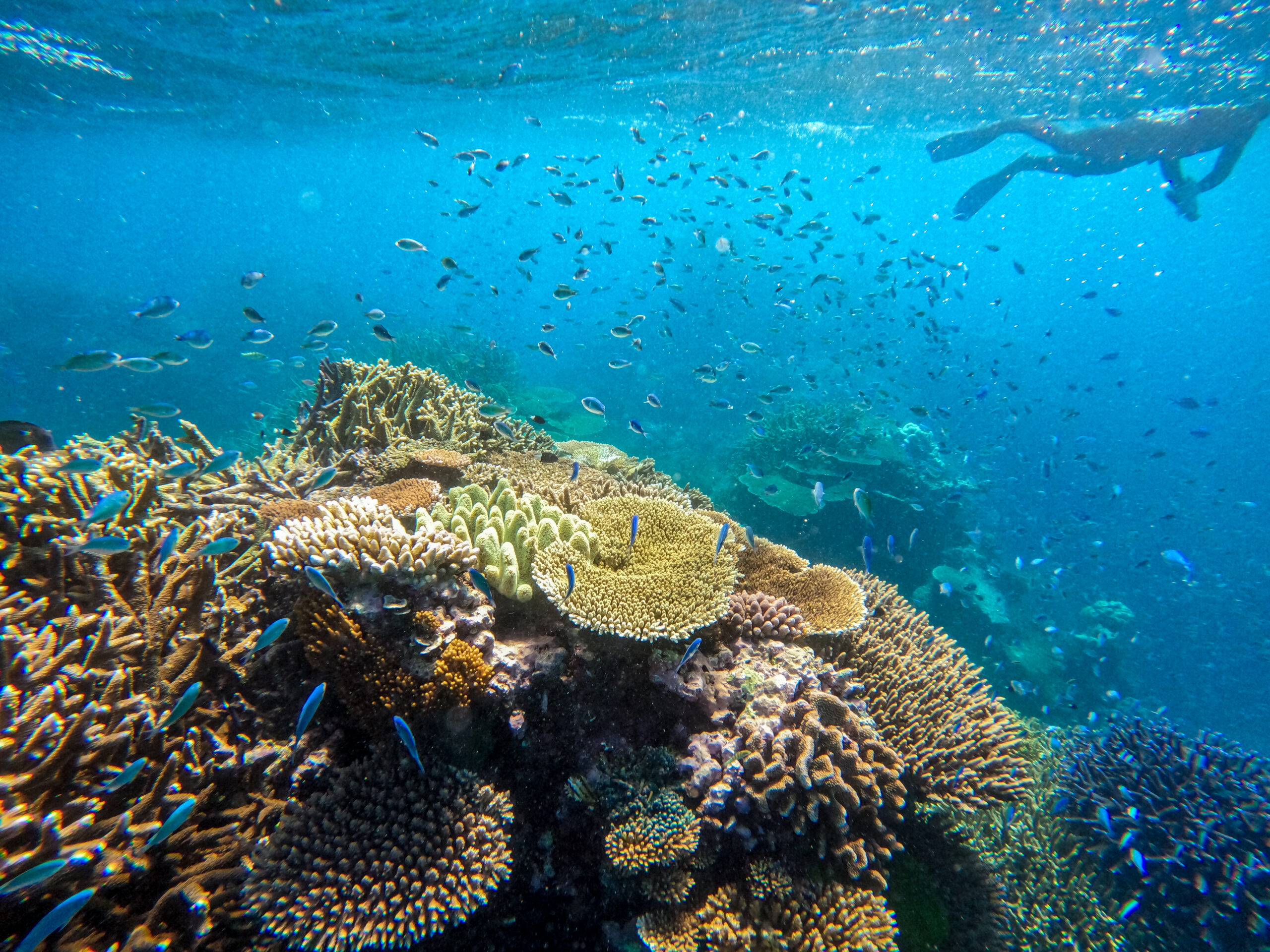
Underwater image of a snorkeler swimming over coral reef, which is surrounded by schools of small blue fish.
Great Barrier Reef

Hard corals form skeletons, which in turn form the backbone of the Great Barrier Reef. These reef-building species have skeletons, and therefore as they grow, they slowly deposit calcium carbonate creating solid structures that serve as the reef’s foundation. Whether branching like staghorn, dome-shaped like brain coral, or flat and plate-like, hard corals create the three-dimensional framework that supports entire reef communities. 

This complex structure is a large part of what gives coral reefs their function. It provides homes, breeding grounds, and shelter for thousands of marine species, ranging from tiny invertebrates to reef fish, sharks, and rays. Hard corals also help absorb wave energy, playing a vital role in protecting coastlines against extreme weather events and maintaining coastal ecosystems. 

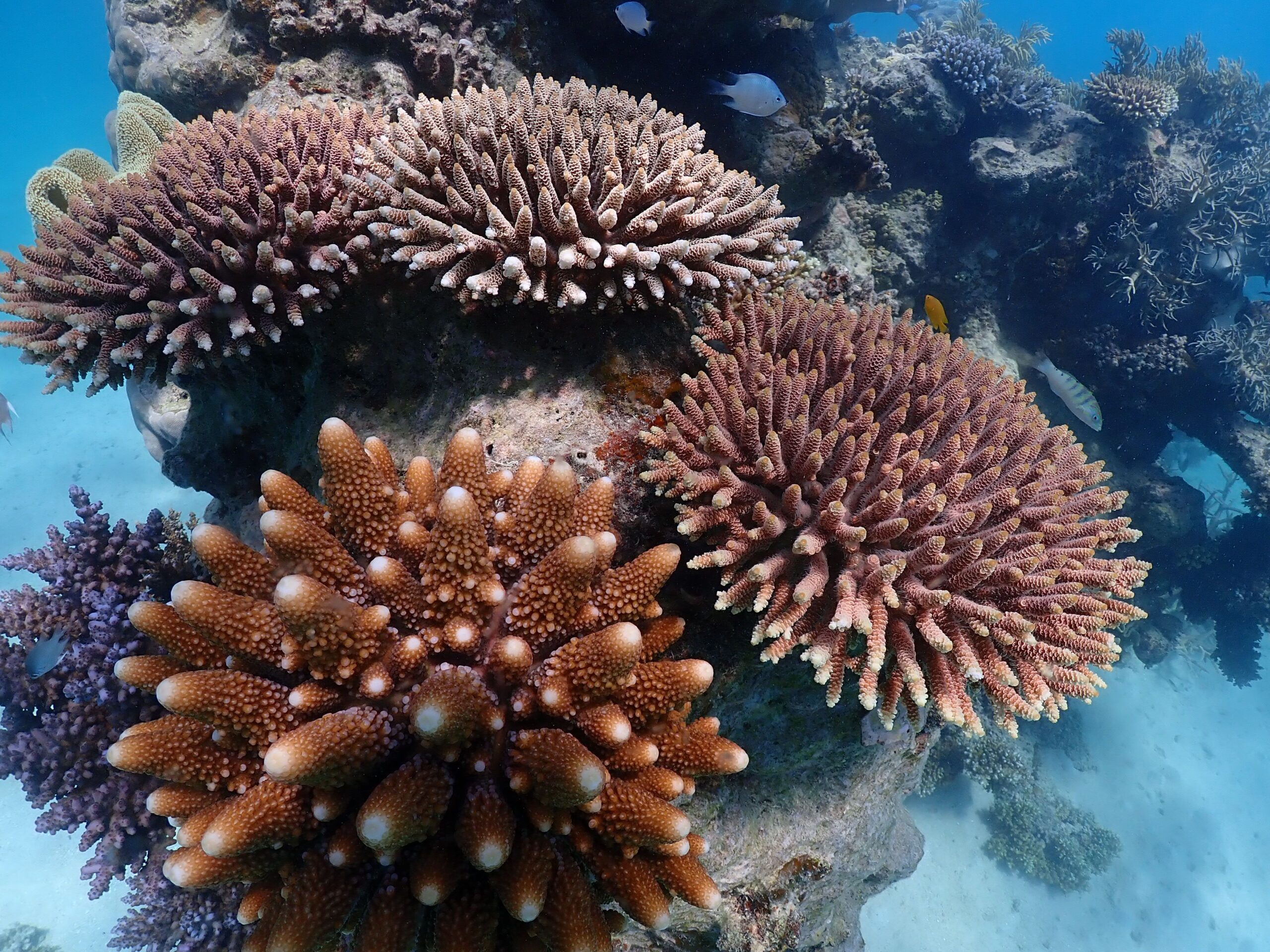
Close up underwater image of hard corals and small reef fish swimming around them.
Hard coral out plants as part of Coral Nurture Program, image courtesy J.Edmondson

In contrast, soft corals serve a different purpose. Lacking a hard skeleton, they appear more flexible and often resemble underwater plants or fans. Often these are the corals you will see swaying in the current.  Soft corals also provide habitat and contribute to biodiversity but don’t form the reef’s structure.  

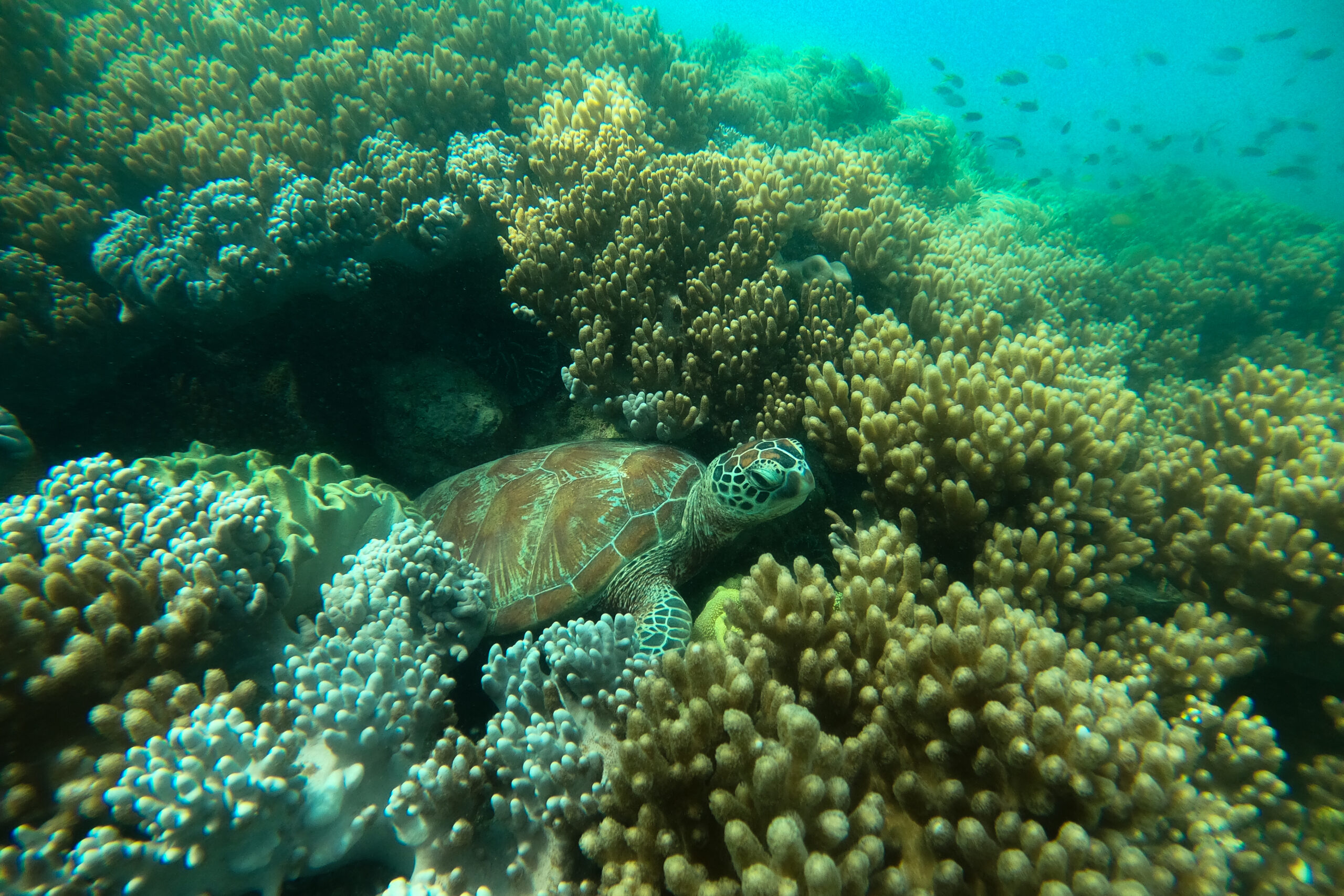
Underwater shot of green sea turtle swimming through soft corals
Green Sea Turtle resting amongst soft corals

As Cass Hayward, Reef Catchments Great Barrier Reef Team Manager, puts it: 

“Both soft and hard corals have roles in the ecosystem, but it’s really the hard corals that we have to thank for building the reef’s structure over thousands and millions of years.” 

The Great Barrier Reef (GBR) is the largest coral reef system on Earth, spanning more than 2,300 kilometres. It’s so vast it can be seen from space. It’s also recognised as a UNESCO World Heritage Site for its outstanding universal value; environmentally, culturally, and economically. 

Coral reefs like the GBR support around 25% of all marine life despite covering less than 1% of the ocean floor. They also provide vital coastal protection against extreme weather events, support fisheries, attract tourism, and play a key role in nutrient cycling. And hard corals are at the centre of it all. 

“When scientists and reef managers check on how the reef is doing, they usually start by looking at the hard coral. If there’s high cover and diversity of hard corals, it is an indicator of good reef health and resilience.  If we see declines in hard coral, which can often be accompanied by an increase in soft coral, it can be a warning sign often related to things like poorer water quality, too much sediment or nutrients, or ongoing stress.” – Cass Hayward.  

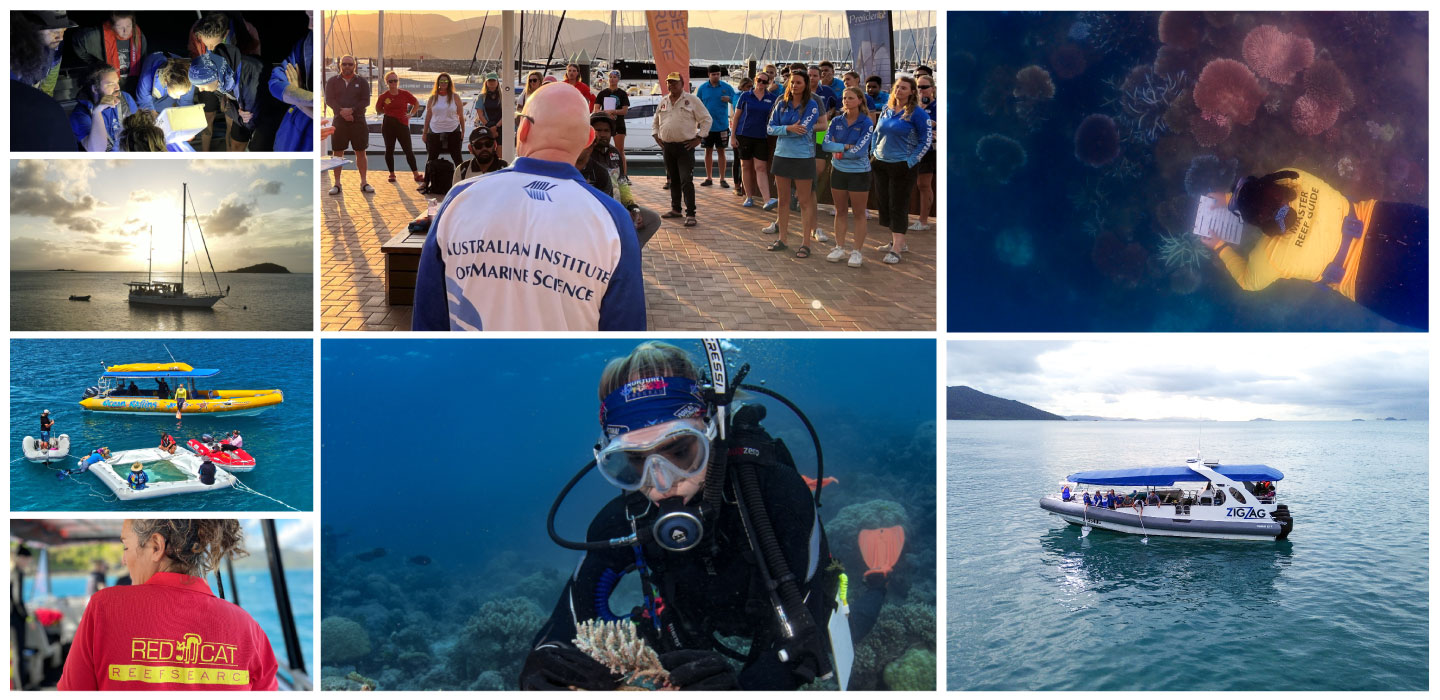
Across the reef, researchers, Traditional Owners, tourism operators and community members are researching and trialling ways to actively assist coral recovery. Programs like the Coral Nurture Program research and optimise reef restoration methods that centre around growing and reattaching coral fragments within degraded reef areas, while Boats4Corals examines the potential for transplanting coral larvae to sites that need a helping hand in recovery. 

These targeted efforts are designed to give hard corals a head start, helping rebuild structure, restore habitat, and maintain the reef’s natural resilience. 

Images of Tourism Operators during Coral restoration projects
Whitsunday Reef Islands Initiative Project Partners

Coral Nurture Program and Boats4Corals are part of the Whitsunday Reef Islands Initiative. The Reef Islands Initiative is a Great Barrier Reef Foundation program, supported by funding from Lendlease, the Australian Government’s Reef Trust, the Queensland Government and the Fitzgerald Family Foundation. 

Resilient Catchments Register

Share your knowledge. Register your idea. Shape the future of our land, sea and waterways.

Register now

Get to know us better

You’ll receive our monthly newsletter containing updates on events and workshops, community activities and information about how our projects are helping our regional environment and communities.

  • This field is for validation purposes and should be left unchanged.

© 2026 Reef Catchments · All rights reserved · Site by the dma

  • Disclaimer
  • Privacy Policy
  • Sitemap
  • Contact
  • Disclaimer
  • Privacy Policy
  • Sitemap
  • Contact
Reef Catchments would like to acknowledge the Traditional Owners, past and present, on whose land, sea and waters we work. We acknowledge their enduring spiritual and cultural connection and their responsibility as First People to maintain and care for Country.
While every effort is made to maintain a culturally respectful resource; Aboriginal and Torres Strait Islander people are advised that this website may contain images, voices and names of people who have passed away.