
Turning Rubble to Reef in the Mackay Whitsundays
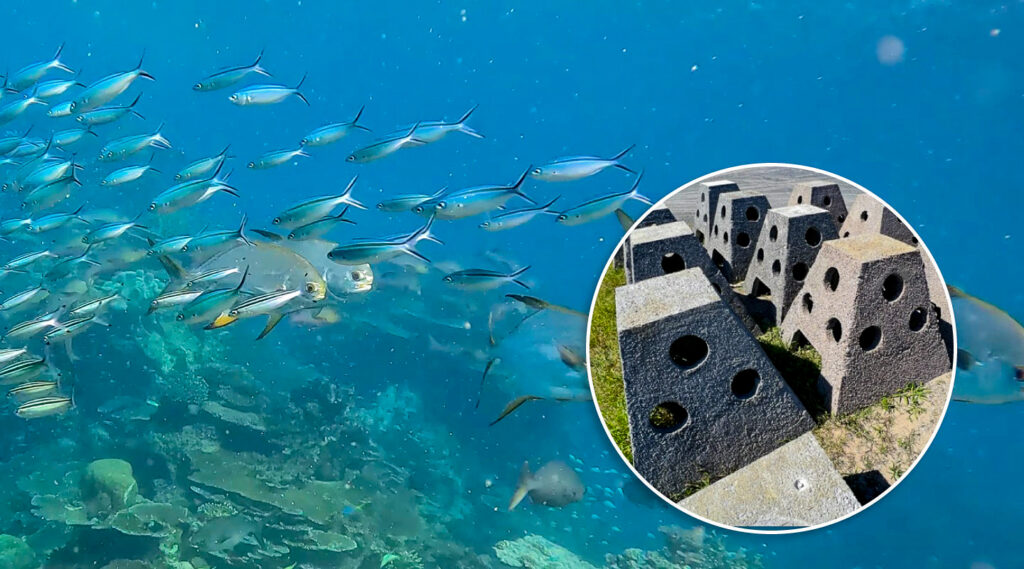
In an effort to restore fish habitat, 30 Habitat Reef (HR) modules have been installed in Mackay’s coastal waters (18-19 June 2024) as part of the Turning Rubble to Reef in the Mackay Whitsundays (Rubble to Reef) project. The project was executed in collaboration with key stakeholders North Queensland Bulk Ports, James Cook University, CS Environmental and Mackay Regional Council.
The Rubble to Reef project was designed with the intent of improving Reef resilience by addressing four main threats:
- Loss of natural Reef ecosystems due to strike impacts, cyclones, bleaching, etc.
- Lack of connected vertical relief substrate to facilitate recolonisation of coral reefs
- Fishing pressure on natural reefs
- Loss of complex juvenile habitat
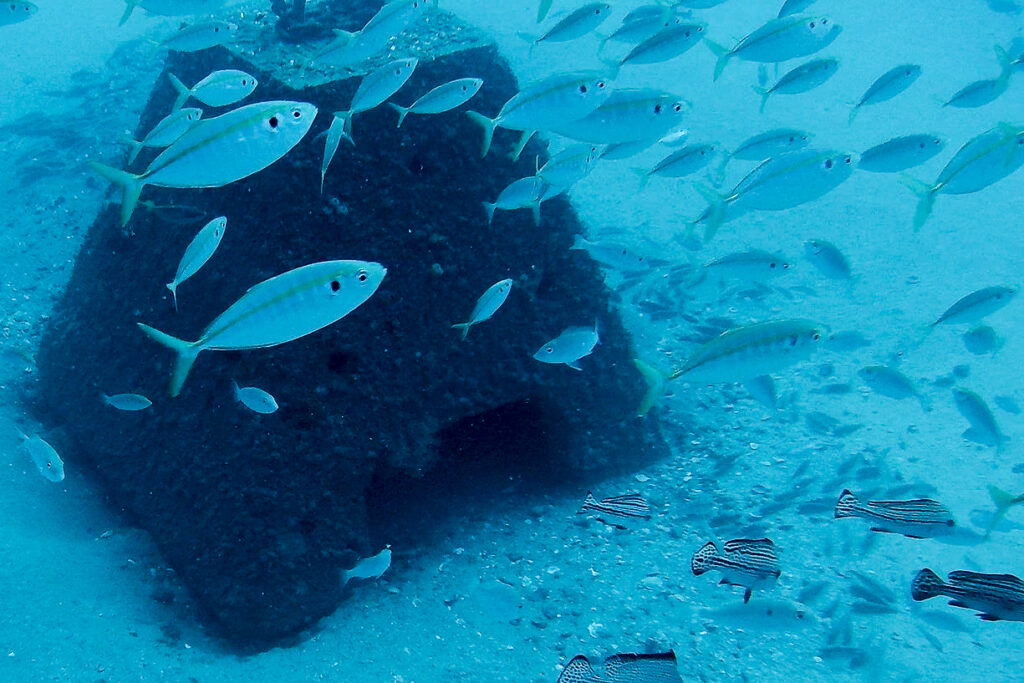
The HR modules have been purpose-built, manufactured locally by Batrosa Concrete Products. Primarily serving as fish habitats, the HR modules provide refuge habitat for both small and large-bodied marine species through the provision of refuge holes and a cave compartment at the base of the structure. Designed with a roughened exterior surface, the HR modules are also specifically crafted to encourage the settlement of marine sessile organisms such as corals.
The HR modules will be monitored for the next 30 years, with a focus on assessing fish abundance and diversity, structural stability, invasive species, and marine debris. The monitoring timeframe is as follows:
- Year 1: two rounds of monitoring
- Years 2-5: one round of monitoring annually
- Years 6-30: one round of monitoring every 5 years
Monitoring results and related footage will be released to this page for public viewing.
GPS Coordinates
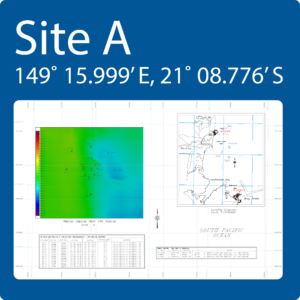
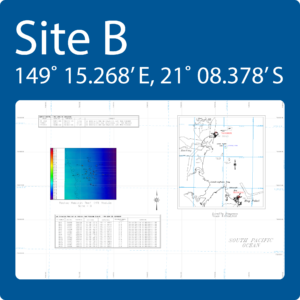
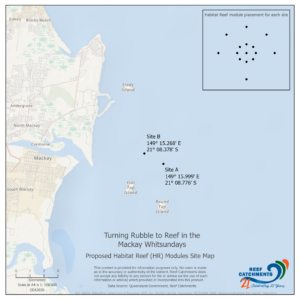
The HR moduels have been deployed at two sites off the Mackay coast. Multibeam imagery with precise GPS coordinates can be found below.


This project is funded by the Australian Government’s Fisheries Habitat Restoration Program and delivered through the Regional Land Partnerships model.