
Landholders: Owen and Penny Morgan
Project: Continuing the path to nature-based solutions
Location: Mt Charlton
Area: 400 acres of grazing land
Good outcome from the project
Clearer waterways, healthier pastures and a faster transition to a sustainable beef enterprise are among the outcomes Owen and Penny Morgan have achieved with support from Reef Catchments. More than 4 km of riparian fencing and improved watering infrastructure have transformed grazing management on the property, accelerating development that may otherwise have taken years to complete.
Background
Located approximately 65 km north-west of Mackay, Owen and Penny Morgan have owned their 400-acre property for almost five years. After more than 16 years of farming in the region, they made the decision to transition this property from sugarcane to beef production.
They say the decision reflected a combination of factors, including increasing production costs, contractor shortages, pest pressure from pigs and cockatoos, and declining returns from their cane farming enterprise. Since then, the couple has focused on building a sustainable grazing enterprise, investing in fencing, water infrastructure and pasture improvement.
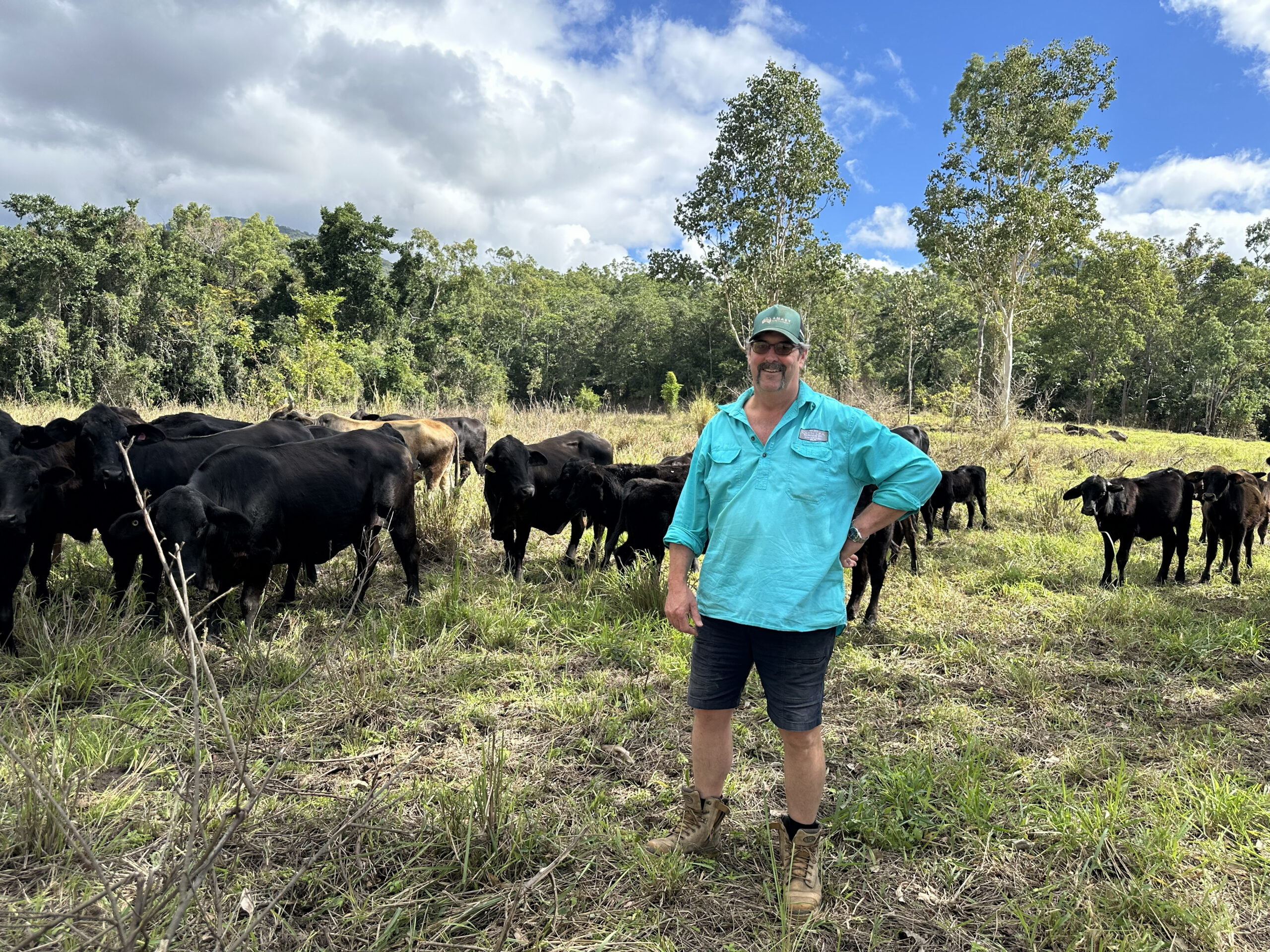
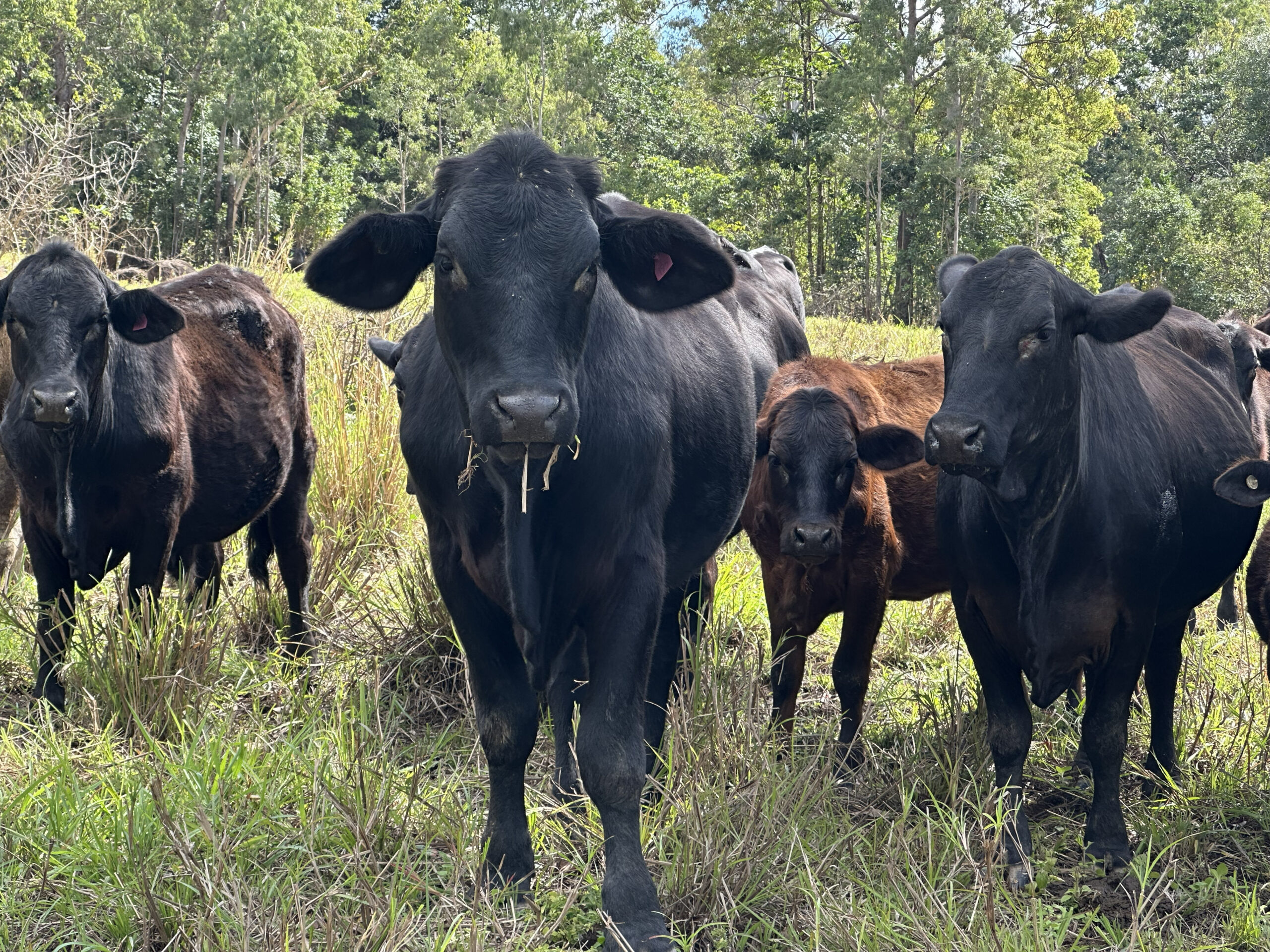
Today, the property carries around 75 Brangus cattle, with plans to gradually build to approximately 200 breeders as pasture productivity and infrastructure continue to improve.
The challenge
Transitioning former cane country into productive grazing land has required significant rehabilitation. Years of cultivation and fertiliser use had left the soils with elevated magnesium and aluminium levels, impacting soil health and reducing pasture performance. Restoring productivity has involved deep ripping former cane paddocks, establishing improved pastures, reducing reliance on synthetic inputs, and, based on recent soil test results, planning lime applications to address soil constraints and support long-term pasture performance.
At the same time, Owen was determined to manage waterways differently based on lessons learnt from previous grazing properties. Waterway management was such a priority that riparian fencing became the first infrastructure investment on the property.
“We didn’t even put the front fence in before the riparian fence,” Owen said. “Keeping cattle out of the creek was the priority.”
The solution
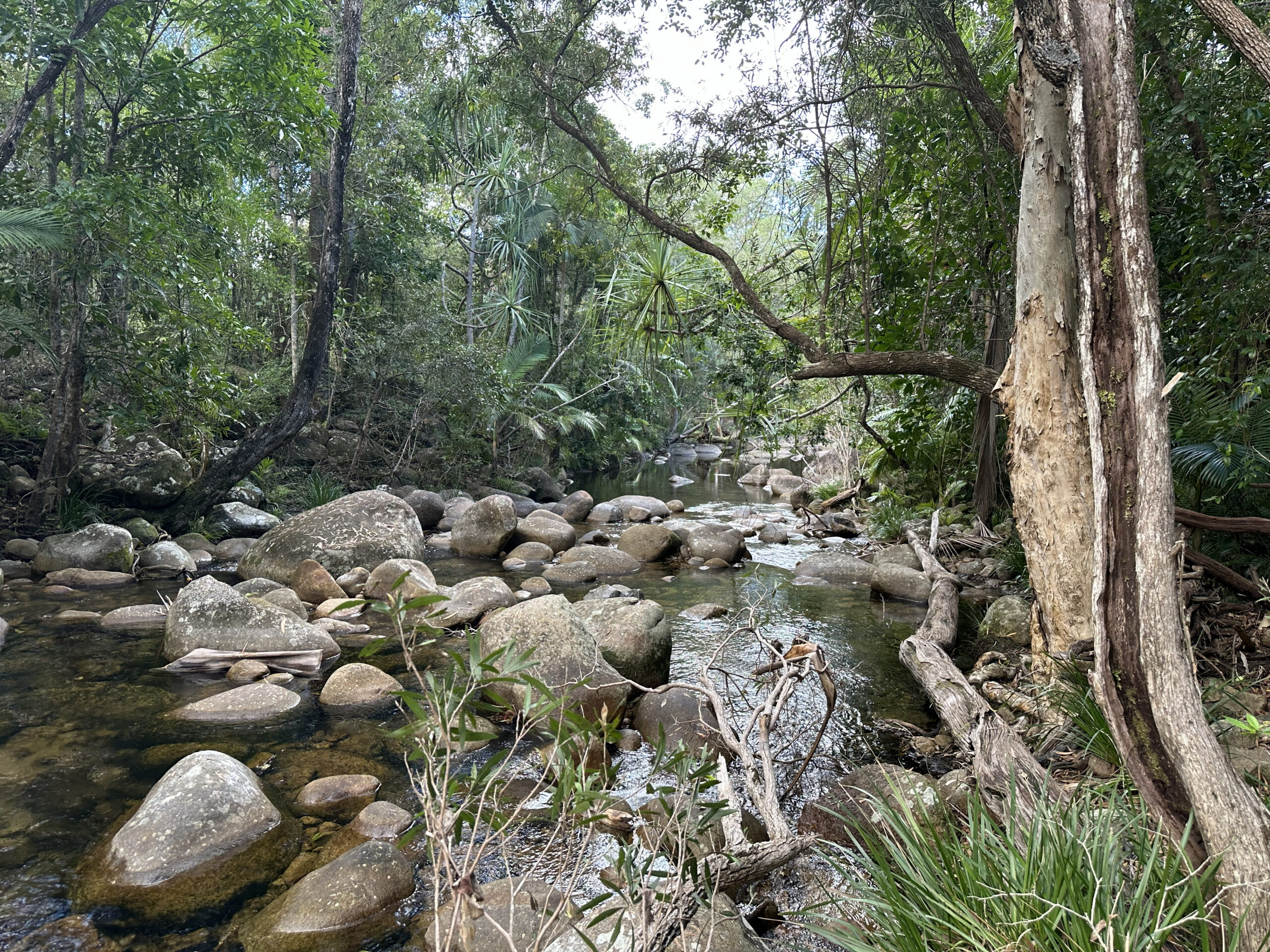
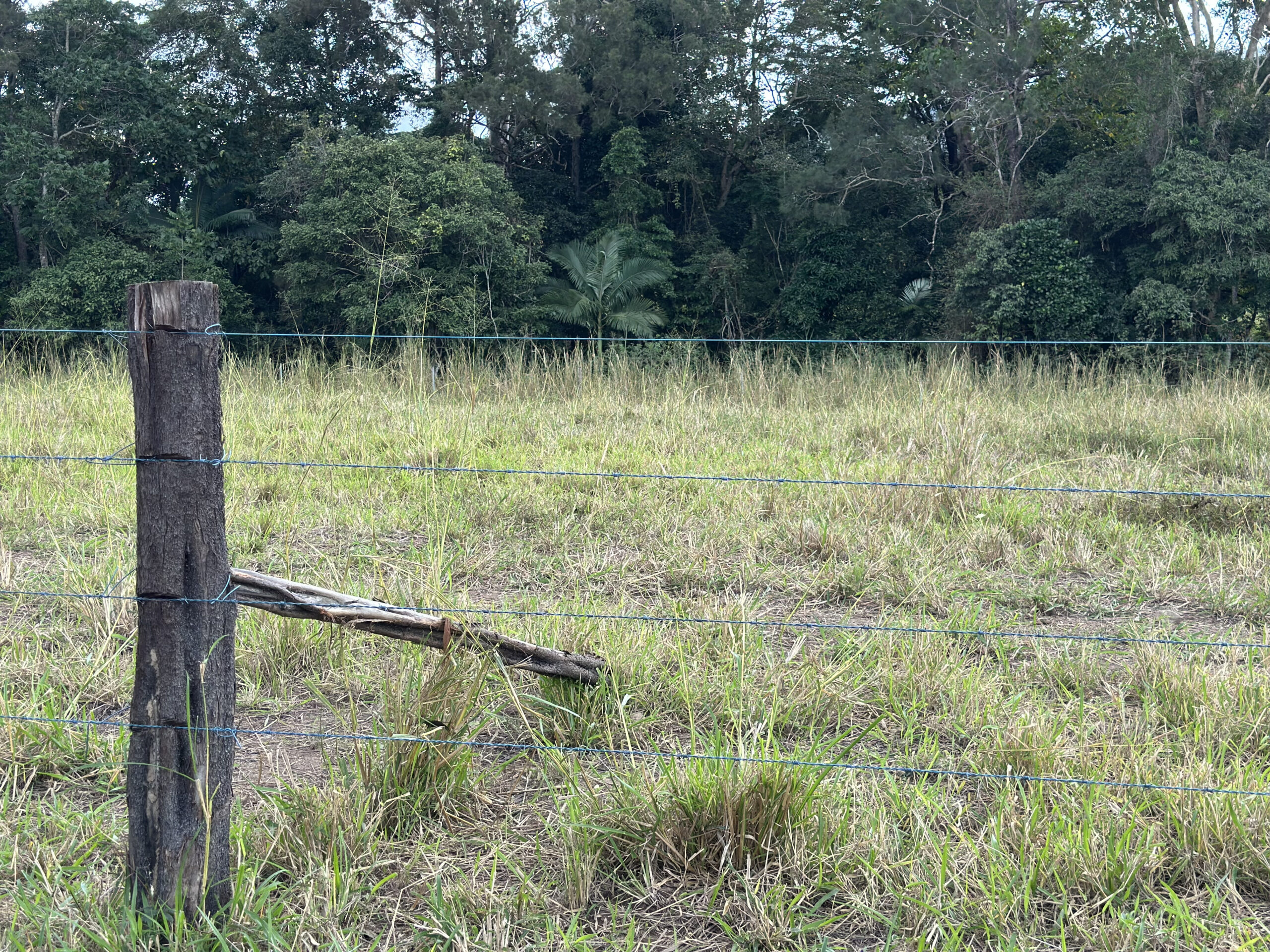
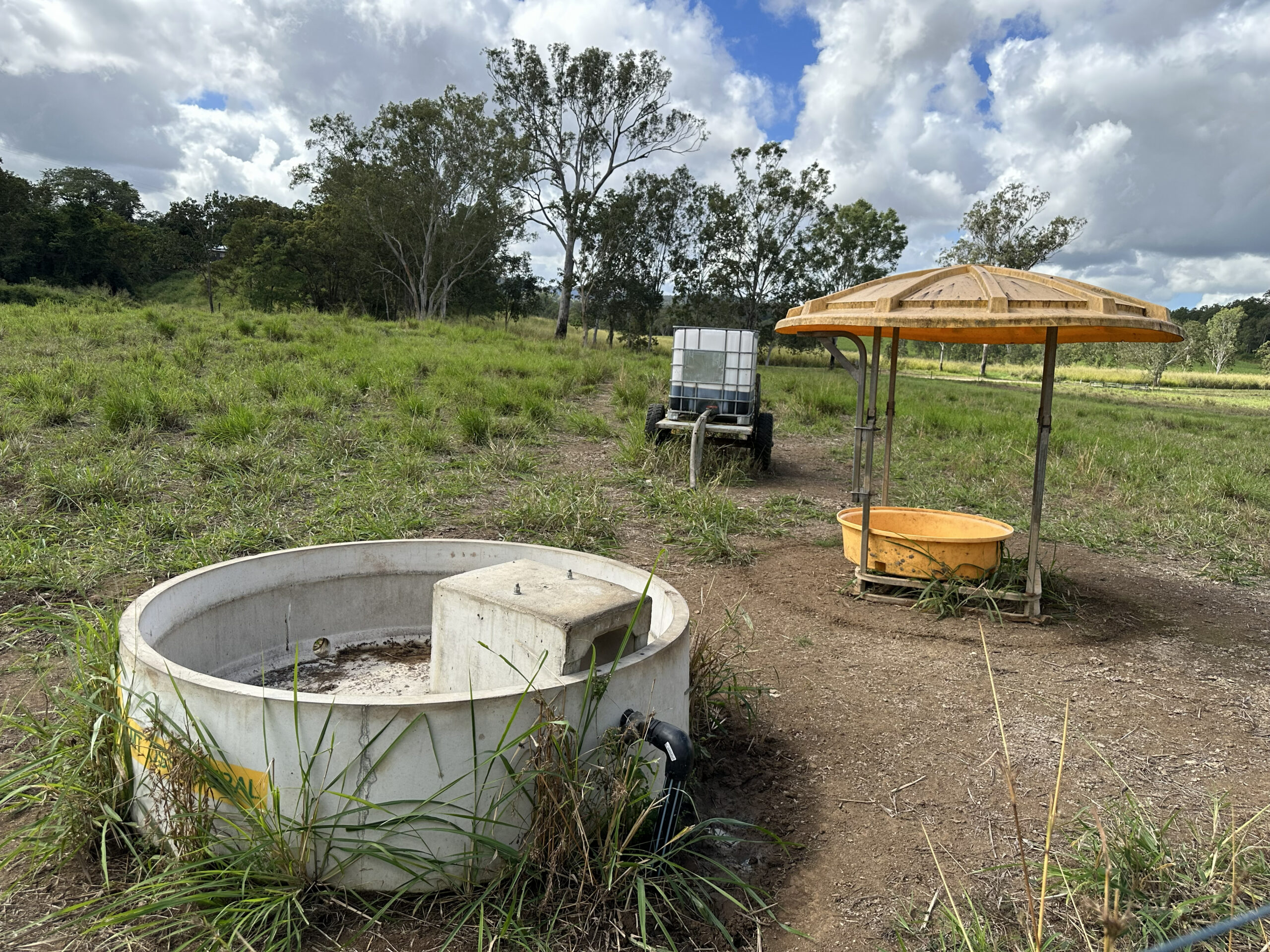
Working with Reef Catchments, Owen and Penny installed more than 4 km of riparian fencing and additional watering infrastructure across the property. The fencing excludes cattle from key waterways while still allowing strategic grazing of riparian areas when conditions are suitable.
Additional watering points throughout the grazing system have strengthened rotational grazing management, improved stock distribution and reduced reliance on waterways as a watering source.
“We’ve been able to improve the pasture in the fenced riparian areas by grazing it at the right times,” Owen said.
The project also provided technical support that has helped guide ongoing soil improvement efforts as Owen and Penny continue improving the property.
The results
The benefits of the project have extended well beyond the fencing itself. Owen has observed noticeably clearer creek water where cattle are excluded, compared with previous properties where stock had unrestricted access.
“You can get up past our pump and that water’s clear as crystal,” he said.
Pasture condition within the riparian areas has also improved through controlled grazing. Rather than becoming overgrown and rank, these areas can now be grazed at the right time to maintain healthy pasture growth and groundcover. Additional watering points have transformed day-to-day grazing management, making cattle movements easier and improving pasture utilisation across the property.
“The water points totally changed how we farm,” Owen said.
The fencing has delivered some unexpected benefits as well. Restricting access to the property has reduced the frequency of pig hunters entering the property, which in turn has helped reduce weed spread and land disturbance. Importantly, the project accelerated infrastructure improvements that would eventually have happened but at a much slower pace.
“The grant helped speed up the process,” Owen said. “The materials were covered and our labour became the in-kind contribution, so it made the project achievable. Rather than pushing it off to future you, it gets done now.”
The support from Reef Catchments enabled the Morgans to accelerate important works while contributing their own labour and equipment to complete the project, helping turn long-term plans into immediate action. Owen also valued the straightforward application process and the ongoing support provided by Reef Catchments throughout the project.
Looking ahead
The property is still only about halfway through its planned development.
Future priorities include fencing the remaining sections of creek, continuing to improve soil health through lime applications and regenerative management practices, increasing breeder numbers as pasture capacity grows and further refining rotational grazing.
Owen believes modern farming requires balancing productivity with environmental stewardship.
“The new generation is very interested in the legacy side of farming, including soil health and looking after the environment,” he said. “It’s all part of farming now.”
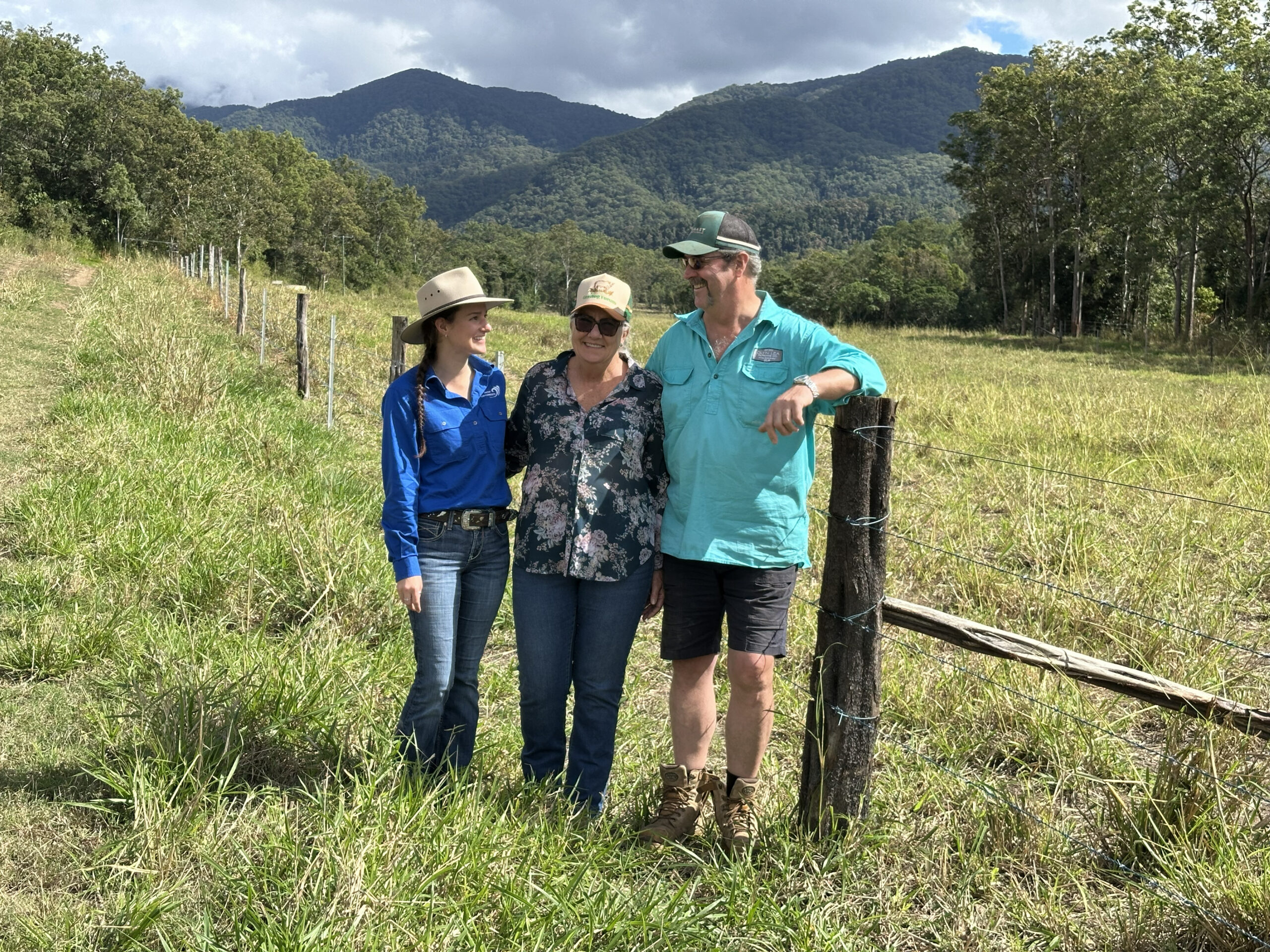
Having seen the benefits firsthand, Owen and Penny have already recommended the program to other landholders and would encourage others to get involved. They describe their partnership with Reef Catchments as “very successful” and a mutually beneficial relationship that has supported both productive agriculture and improved environmental outcomes
The project is not only helping accelerate farm development today but supporting Owen and Penny’s long-term vision of leaving their land, soils and waterways in better condition for future generations.
Assistance provided by the Australian and Queensland Governments under the Queensland Resilience and Risk Reduction Fund.