A transformative $7.8 million investment is powering one of the largest environmental restoration initiatives ever seen in the Mackay Whitsunday Isaac region. Through the Natural Resource Management Expansion Program (NRMEP), this funding enables Reef Catchments, the region’s Natural Resource Management (NRM) organisation, to spearhead three major projects aimed at revitalising waterways, safeguarding wildlife, and strengthening coral reef resilience.
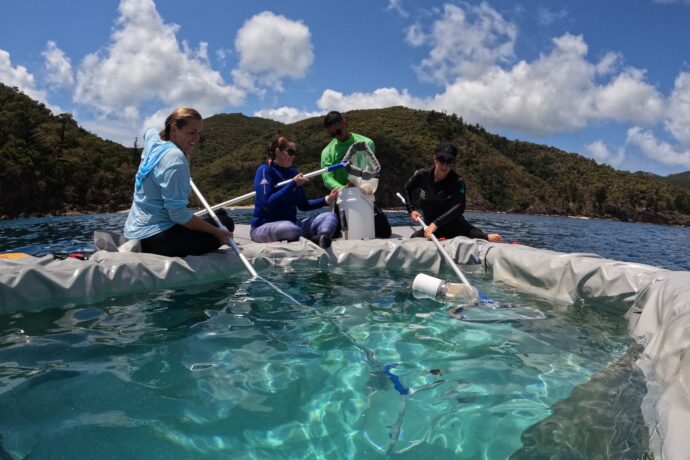
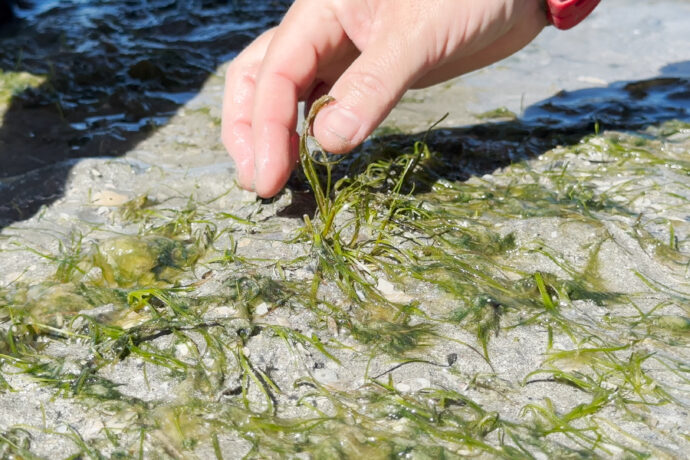
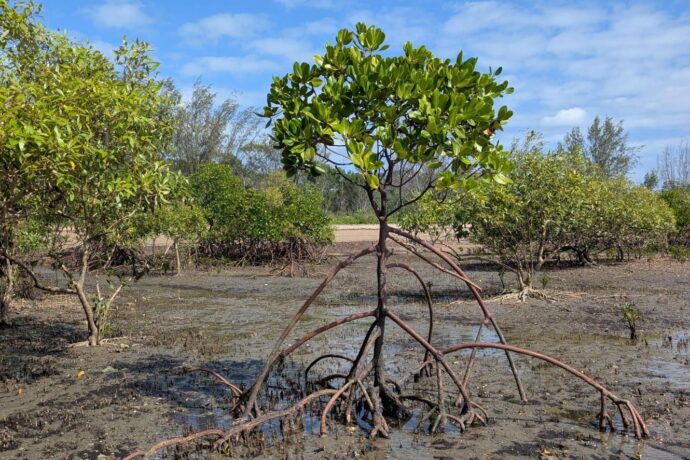
Just over $2 million will go towards a project led by the Reef Catchments Great Barrier Reef Team – The Inshore Resilience project. The Inshore Resilience project advances reef intervention and coastal restoration through three key actions: continuing innovative ‘coral IVF’ techniques in the Whitsundays, expanding seagrass research at Pioneer Bay, and improving priority mangrove and saltmarsh ecosystems around Mackay.
The health of the Great Barrier Reef is deeply tied to the health of coastal habitats, such as mangroves and seagrass. That’s why it’s crucial for the Inshore Resilience project to not only to look at the reef, seagrass and mangrove components individually, but consider the broader implications of gaining local skills, knowledge and experience working across the whole zone.
“Much of this seascape work is still in the trial and research phase. Terrestrial conservation, such as revegetating forests, is years ahead,” said Reef Catchments Great Barrier Reef Manager, Cass Hayward.
“Across Queensland, Australia, and even the world – we are still learning how to plant seagrass, where is best for coral interventions, as well as what saltmarsh species we should grow. That’s just part of the reason this project is so exciting to lead.”
Two thirds of the Inshore Resilience project, specifically the Boats4Coral (coral IVF) and Pioneer Bay seagrass components, are a continuation of work that was originally catalysed through the Great Barrier Reef Foundation’s Whitsunday Reef Islands Initiative (WRII). The WRII funding ran from 2020-2025, empowering Reef Catchments to adopt these activities and commit to longer-term delivery. Reef Catchment is continuing to work with scientists, tourism operators, Traditional Owners and volunteers who have been so integral to date.
Out of the water, the Reef Catchments’ team is focused on priority mangrove and saltmarsh sites identified during a recent MangroveWatch planning workshop. These ecosystems are under pressure from both sides: sea-level rise on the seaward edge and coastal development and poor water quality on the landward edge. Mangroves and saltmarshes are literally being squeezed. This project aims to protect and enhance sites where Reef Catchments can reduce these additional stresses.
Fundamental to all three project components are the partnerships. As GBR Team Manager Cass Hayward said “The Great Barrier Reef is enormous – it’s as big as Italy. It is still beautiful and resilient, but it faces ongoing and compounding challenges from enormous climate and other environmental threats. The future health and resilience of the Reef will depend on large-scale interventions. That in turn will rely upon having many hands to share the workload. No one organisation can do this alone.”
The Inshore Resilience project is delivered by Reef Catchments and funded through the Queensland Government’s Natural Resource Expansion Program.