“This funding will allow us to scale up our efforts for critical ecosystems and to target hotspot areas where previous weather events have damaged key parts of the region,” said Katrina Dent, CEO of Reef Catchments.
“We’re incredibly grateful for the Queensland Government’s investment in natural resource management through the NRMEP.”
The investment reflects a broader recognition of the vital role regional NRM organisations play in delivering real, measurable outcomes for both communities and the environment.
“Regional natural resource management organisations like Reef Catchments are working hard to deliver outcomes that meet the needs of their communities as well as our precious land and water resources,” said Chris Norman, CEO of NRM Regions Queensland.
“The NRM Expansion Program will not only leave a lasting impact on Queensland’s iconic landscapes, it will also create jobs and boost local economies. We’re proud to be working alongside the Queensland Government and our regional NRM organisations to deliver big outcomes for people and for place through the Natural Resource Management Expansion Program.”
The NRMEP is part of a broader$117.84 million commitment to boost support for managing the state’s natural assets through on-ground land, water and biodiversity projects delivered by Queensland’s NRM sector. For Minister for Natural Resources and Mines Dale Last, the funding represents a return to meaningful support for regional organisations.
“This funding is about backing real action, by supporting local experts who understand their region and what it takes to protect it,” Minister Last said. “These projects will deliver real on-ground results for our environment and the communities who depend on healthy landscapes and waterways.”
$4.8 Million to Revive Cattle Creek
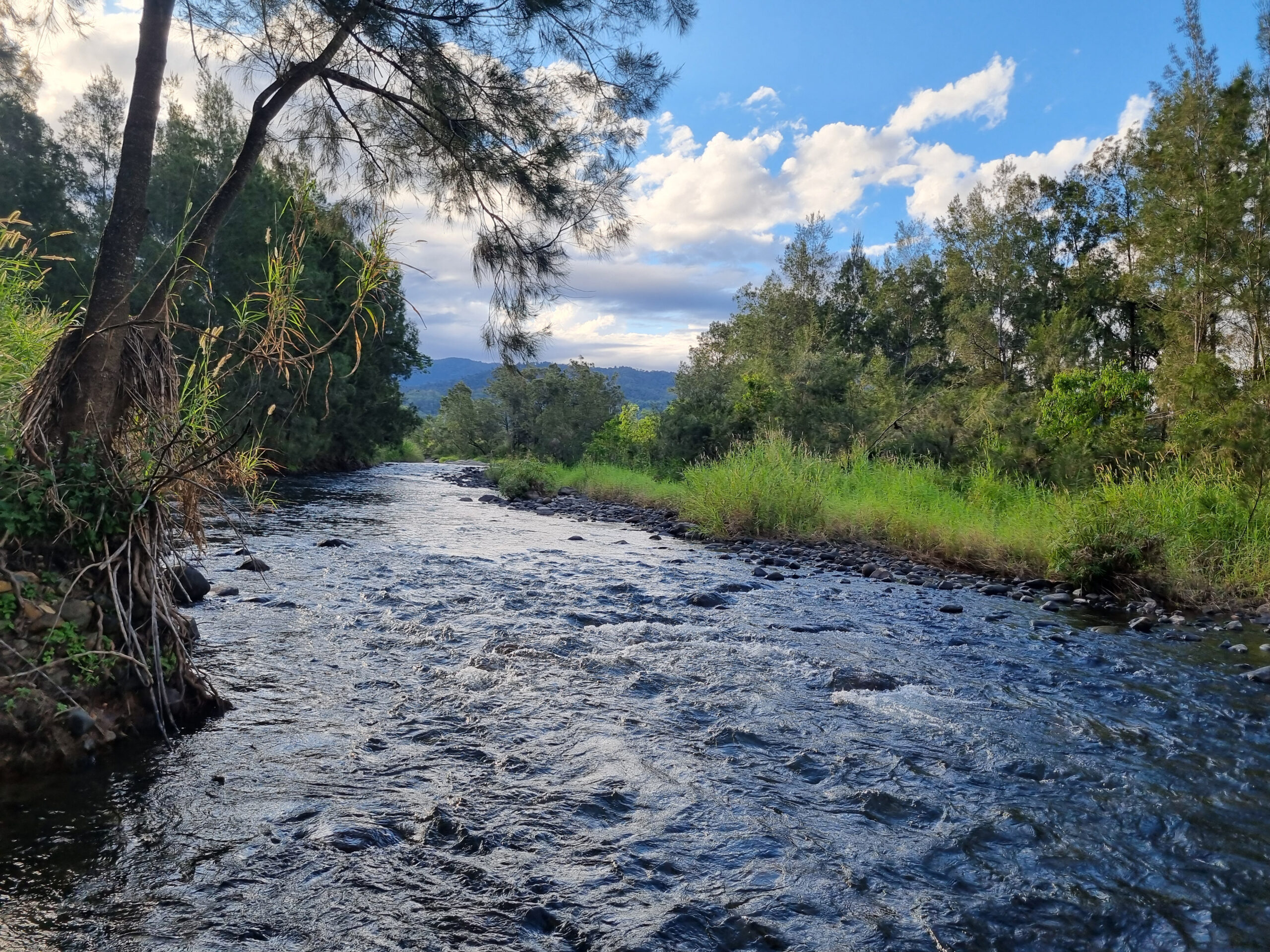
In the Pioneer Valley, Cattle Creek has long supported agriculture, biodiversity and community life. But erosion and sediment runoff have weakened its flow and threatened downstream reef health.
With $4.8 million in Queensland Government NRMEP funding, Reef Catchments will restore eight kilometres of streambank, stabilising the riparian corridor, enhancing aquatic habitats and reducing sediment entering the Great Barrier Reef lagoon.
“This is strategic restoration,” said Reef Catchments Program Director (Land and Water), Bernie Cockayne. “We’re working closely with landholders to stabilise eroded streambanks and safeguard productive agricultural land. By reducing sediment run-off into our waterways, we’re not only protecting the long-term viability of farming operations but also helping to preserve the health of the Great Barrier Reef.”
Cattle Creek
$1.9 Million to Improve Habitat Connectivity for an Australian Icon
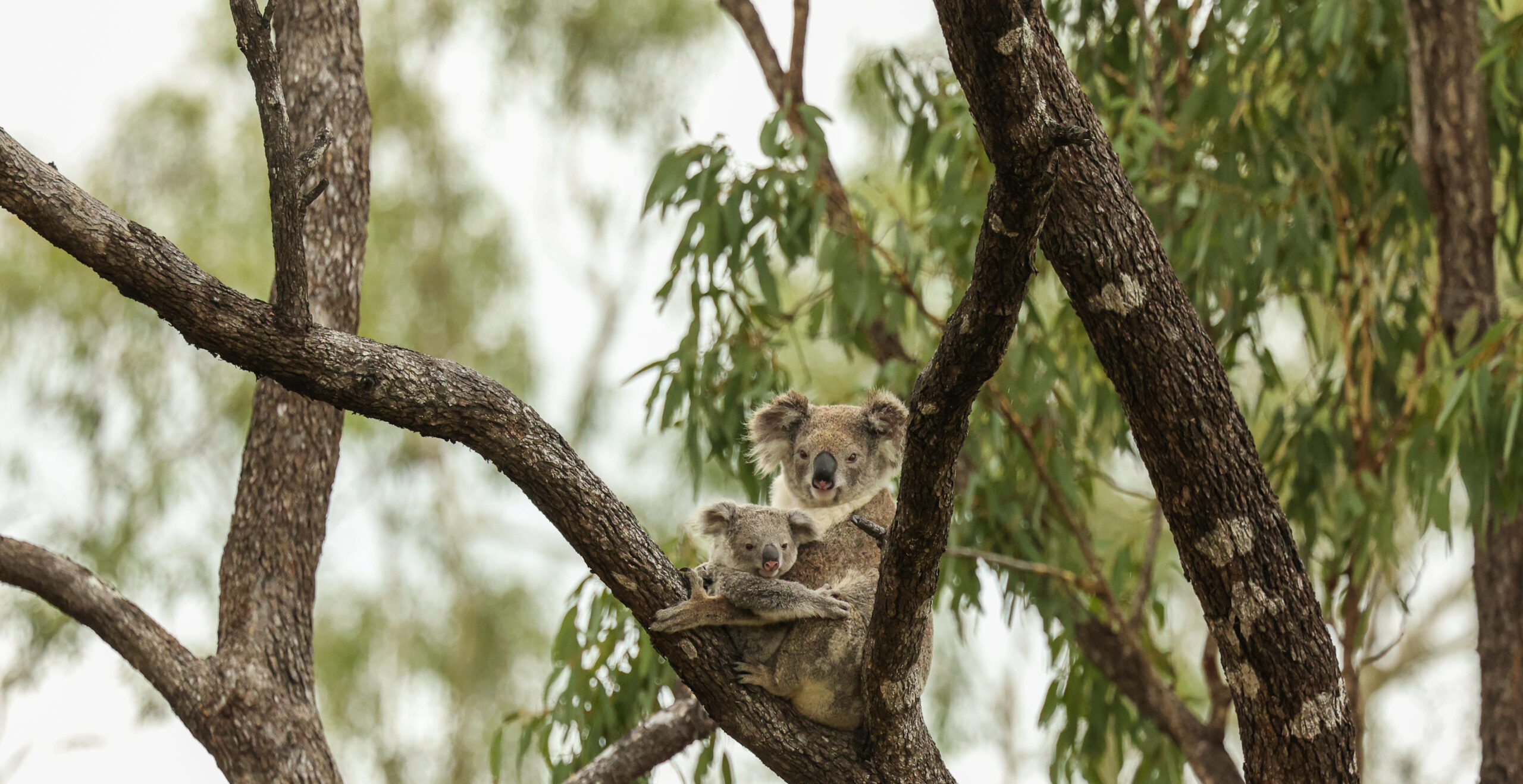
In the bushland between South Koumala and Eton, koalas are facing increasing threats from habitat fragmentation. With $1.9 million, Reef Catchments will improve connectivity of 57 hectares of prime koala habitat, by planting native trees, removing invasive weeds and fencing corridors to ensure safe passage.
“Koalas are part of our regional and national identity,” said Reef Catchments Program Director (Community and Environment), Alisha Steward. “By reconnecting fragmented bushland, we’re giving them space to move and thrive. This work wouldn’t be possible without the support of local landholders, who are vital partners in restoring habitat and protecting wildlife.”
This project is funded by Queensland Government’s Natural Resources Recovery Program.
Photo courtesy of Charley Geddes.
A New Era for NRM in Queensland
This $7.8 million investment marks a pivotal moment for the Mackay and Whitsunday region, strengthening Reef Catchments’ capacity to deliver targeted, high-impact environmental restoration.
From creek banks to coral reefs, koala corridors to community stewardship, these projects will enhance biodiversity, improve water quality and build resilience across the landscapes that sustain local livelihoods. It’s a clear demonstration of what’s possible when regional expertise is backed by meaningful support; a powerful step forward for the future of natural resource management in Queensland.