
Healthy waterways start upstream – in the paddocks, drains and wetlands that flow into our creeks, rivers and ultimately the Great Barrier Reef. For growers in the Proserpine Catchment, smart water management supports both productive farming and healthy local ecosystems.
Reef Catchments, funded through the Queensland Government’s Queensland Reef Water Quality Program, is launching the Catchment Treatment Systems Project as part of the $5.5 million Reef Place Based Integrated Projects initiative. Running from 2025–2027, the project will work with Proserpine sugarcane growers to co‑design and build 10 small, effective treatment systems that improve water quality and support long‑term farm sustainability.
Treatment systems are engineered or enhanced natural features designed to slow, filter and store water before it leaves the farm. Examples include recycle pits that capture runoff for reuse, constructed wetlands that filter nutrients and pesticides through vegetation and sediment basins that slow water to allow particles to settle. These systems reduce sediment, nutrient and pesticide movement while helping growers recycle valuable irrigation water.
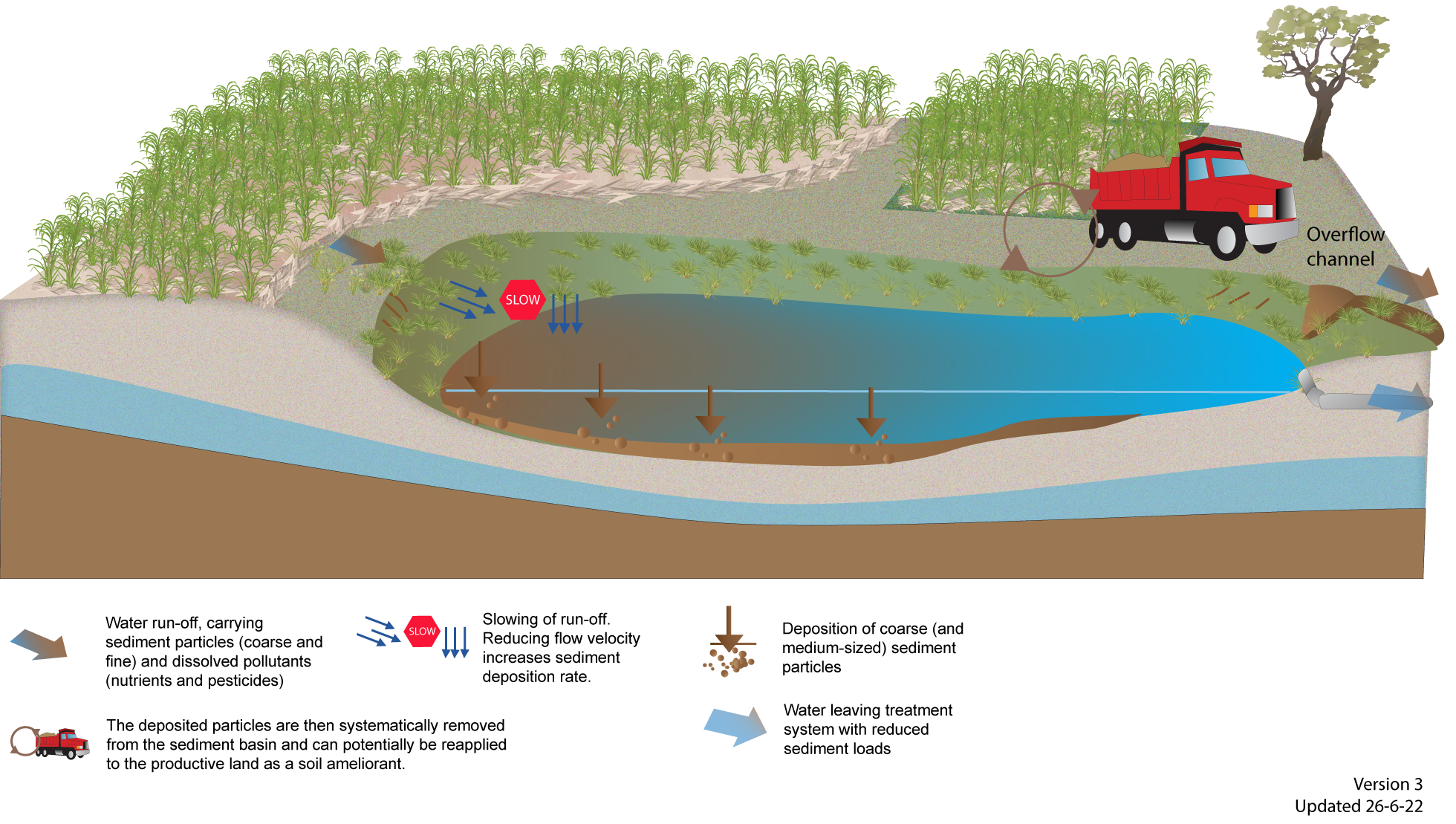
In the Proserpine Catchment, heavy rainfall can wash sediment, pesticides and dissolved inorganic nitrogen (DIN) into waterways, impacting water clarity, seagrass health and Reef resilience. By placing treatment systems at strategic points in the landscape, the project aims to significantly reduce DIN, total suspended sediment and pesticide residues. Growers benefit through improved water capture, reduced irrigation costs and greater water reliability, while the community gains cleaner waterways and healthier ecosystems.
A key feature of the project is genuine co‑design. Reef Catchments will work directly with growers to identify suitable treatment locations, develop practical and low‑risk designs, enhance irrigation efficiency and monitor improvements with strong evidence. As Senior Project Officer Kevin Moore puts it:
“Growers know their land better than anyone. This project is about working alongside them to build practical systems that boost farm resilience while improving water quality for the whole region.”

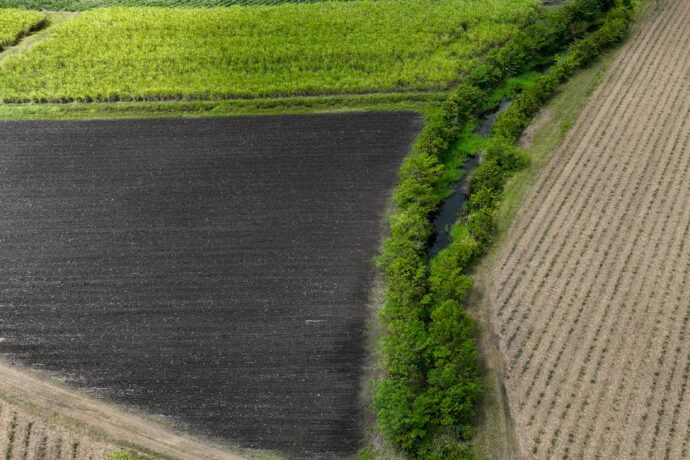
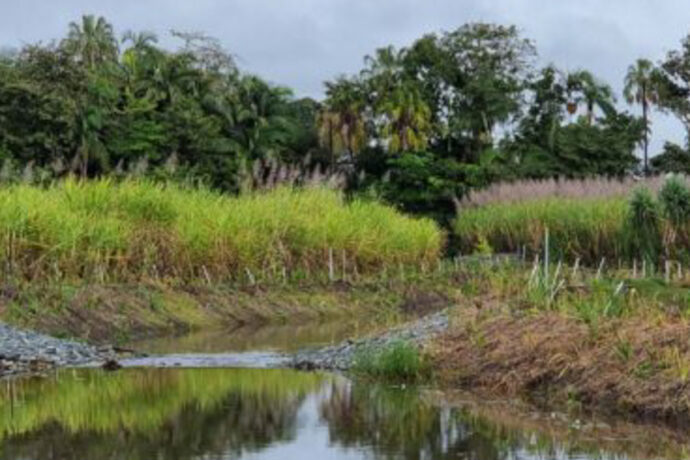
The long-term benefits extend well beyond water quality. Environmental gains include healthier waterways and more resilient habitats, while growers gain stronger water security, lower irrigation costs, improved soil moisture retention and reliable crop performance. Regionally, the project strengthens community–industry partnerships, builds local capacity and provides a scalable model for other catchments.
The project is now seeking 10 eligible sugarcane growers within the Proserpine Catchment. Eligibility includes being located within the catchment and completing a participation history check to ensure fair access across programs. Growers can submit an Expression of Interest through the link provided or request assistance directly.
kevin.moore@reefcatchments.com
Expression of Interest Form
Cleaner waterways, stronger farms and a healthier Reef benefit everyone. By investing in practical on‑ground solutions and collaborating closely with landholders, the Catchment Treatment Systems Project aims to create lasting, positive change for the Proserpine region for generations to come.