Celebrating the first year of Boats4Corals led by Reef Catchments and Whitsundays tourism operators, with support from AIMS
Boats4Corals began in the Whitsundays in 2021 as a pilot led by the Australian Institute of Marine Science (AIMS) and Southern Cross University, asking whether tourism operators could lead coral larval reseeding themselves. In 2026, with funding from the Queensland Government’s Natural Resource Management Expansion Program, we did exactly that. For the first time, the project was led locally by Reef Catchments and Whitsundays tourism operators, who contributed their vessels, skippers and crew. AIMS remain an active member of the project but have moved to a supporting role, helping to deliver training and technical advice.
Boats4Corals is part of our Inshore Resilience project. You can find out more on the Boats4Corals project page.
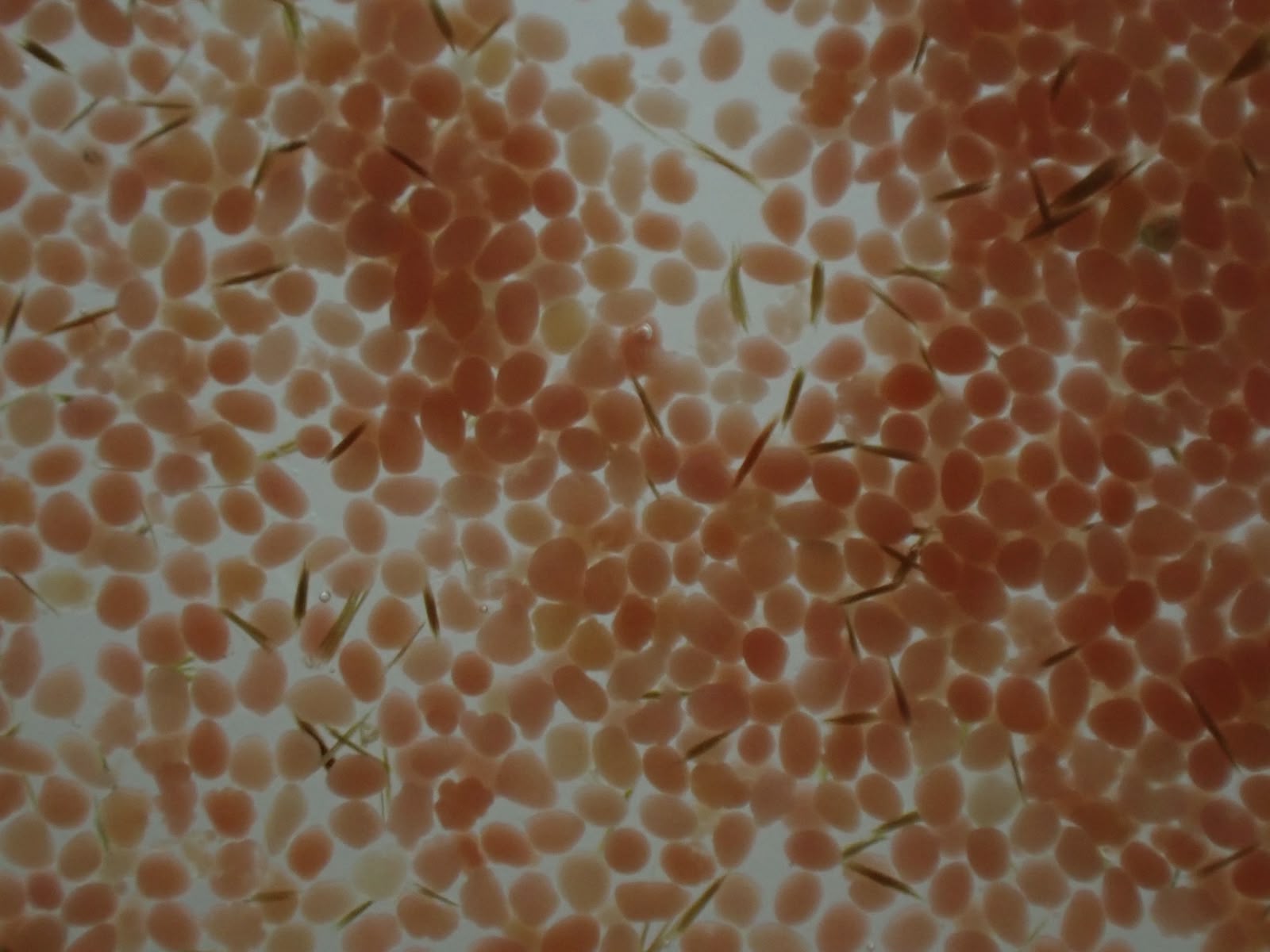
2.5 million coral larvae for Blue Pearl Bay
Blue Pearl Bay, on the northern side of Hayman Island, hasn’t recovered as quickly as other Whitsunday bays since Cyclone Debbie in 2017. Modelling also identifies that sections of Blue Pearl Bay are recruitment limited. This means that the natural supply of larvae to the area is low, making the site a good candidate for a larval re-seeding project. Over three spawning nights, from 30 October to 1 November, crews headed out after dark to collect coral spawn and rear the larvae in six floating pools in the bay. On 6 and 7 November, we released 2.5 million coral larvae onto the reef.
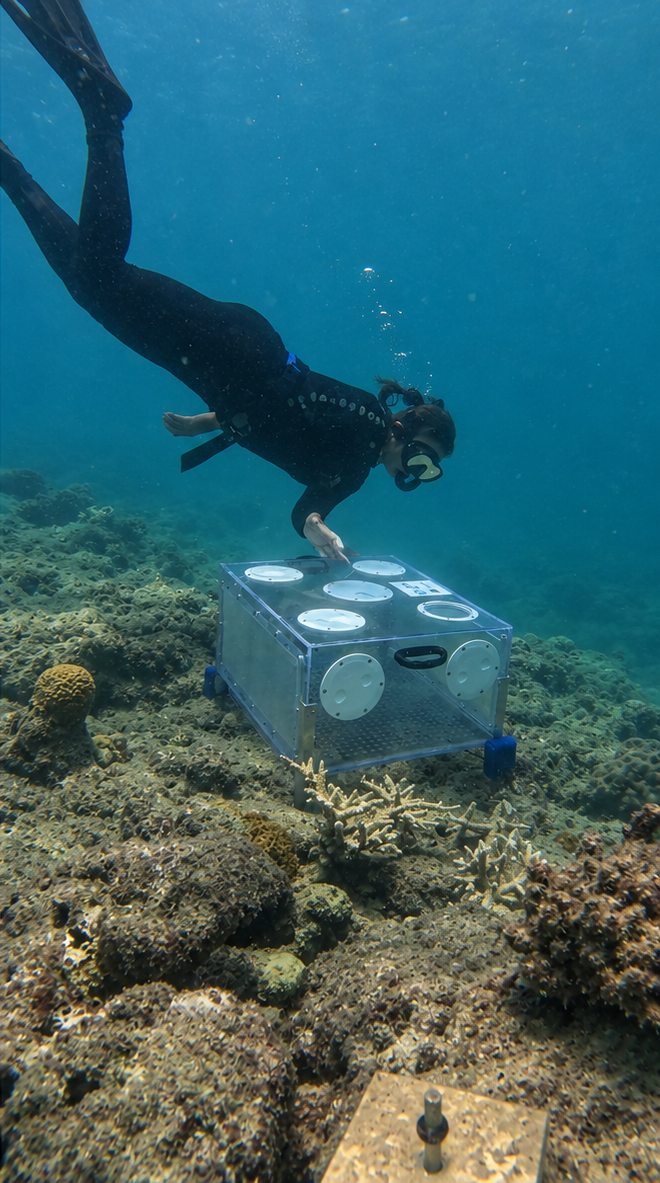
Two ways to deliver larvae to the reef
Seed boxes are Perspex boxes with mesh windows and small holes in the base. Larvae from the pools are shared between the boxes, which are placed on the reef by an in-water team. Over the next 24 hours, the larvae slip out as they become ready to settle, so they are released gently, right where we want them.
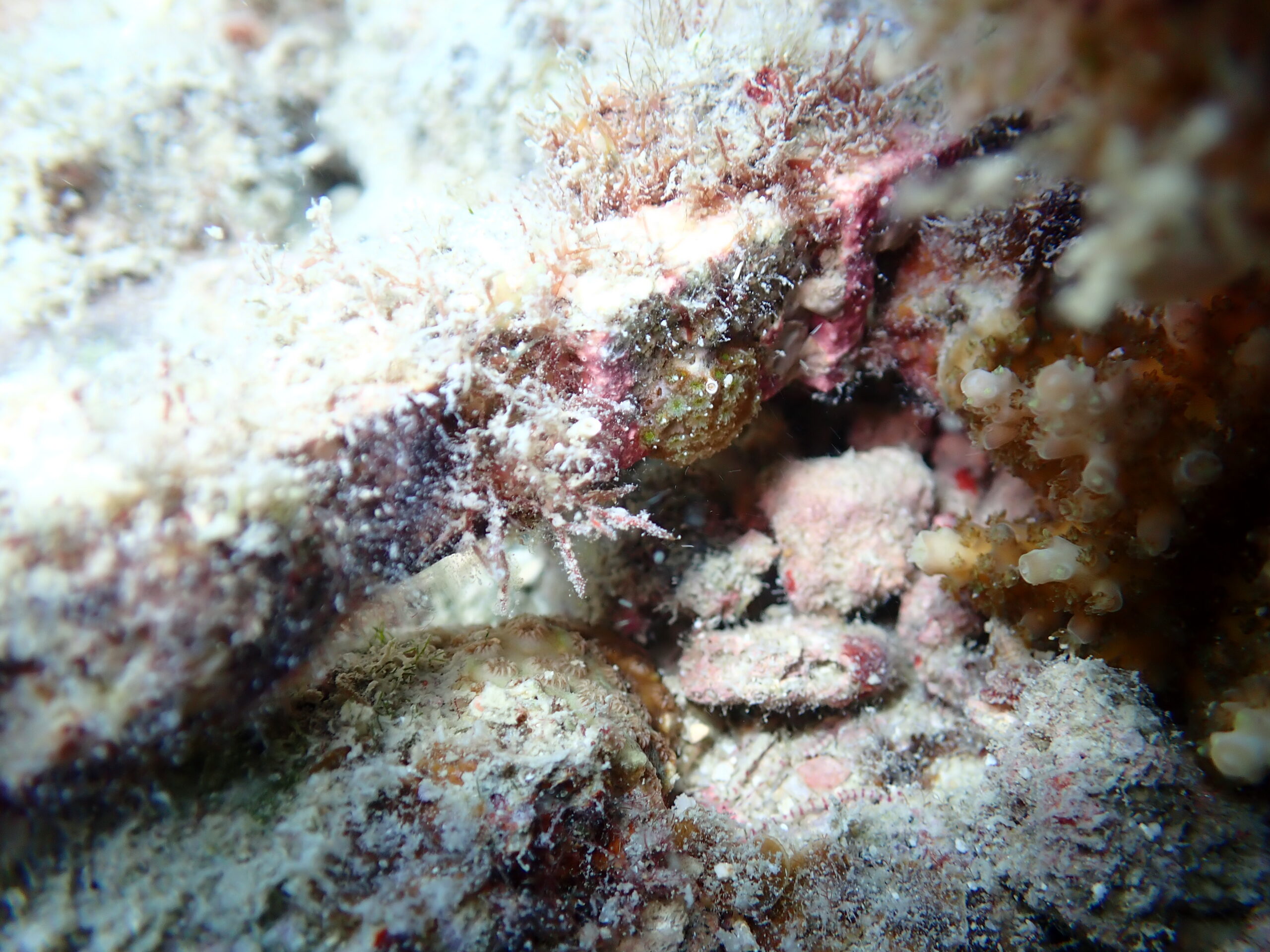
Seeding devices are small ceramic structures onto which larvae are settled before going to the reef. Once young corals have attached, snorkellers place the devices by hand on bommies. The nooks and crevices provide safe spaces for the settlers to grow, and tracking the live coral cover on the devices is an easy way to measure our impact. This year, 1,120 seeding devices were deployed, in 224 strings.
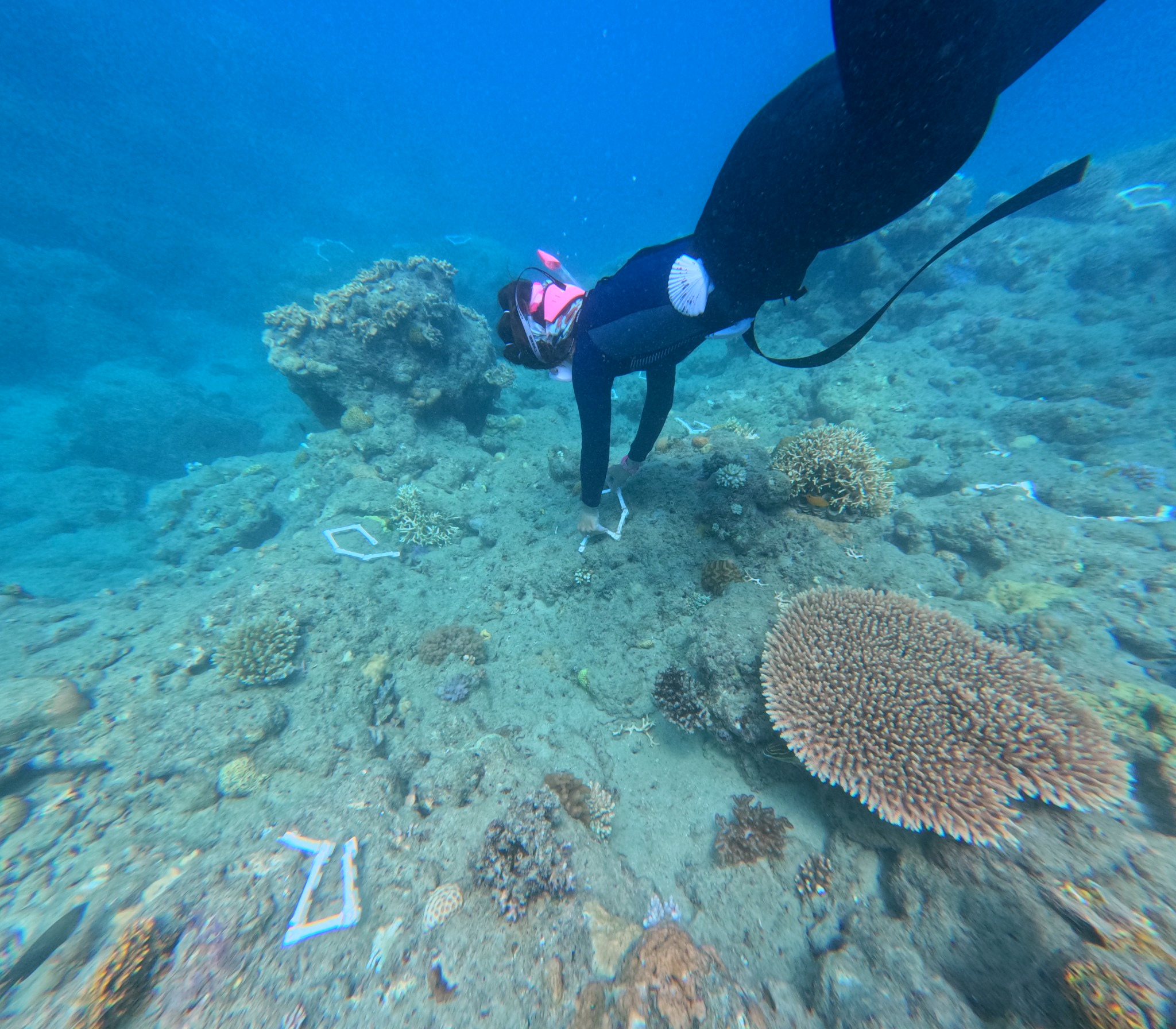
Measuring the results
Settlement tiles are also ceramic. Before coral spawning, they are placed on the reef at our deployment site and at two nearby control sites. Twelve weeks after deployment, we will collect the tiles and count how many corals have settled on them. If the project is working, we expect to find more settlers at our deployment site than at the control sites.
2026 highlights
- The first year of Boats4Corals to be led locally by Reef Catchments and Whitsundays tourism operators.
- 2.5 million coral larvae released into Blue Pearl Bay from seed boxes.
- 1,120 seeding devices deployed at the same site.
- Ngaro Gia Traditional Owners Darren Lenoy and Sean Williams joined us, and Sean snorkelled for the very first time.
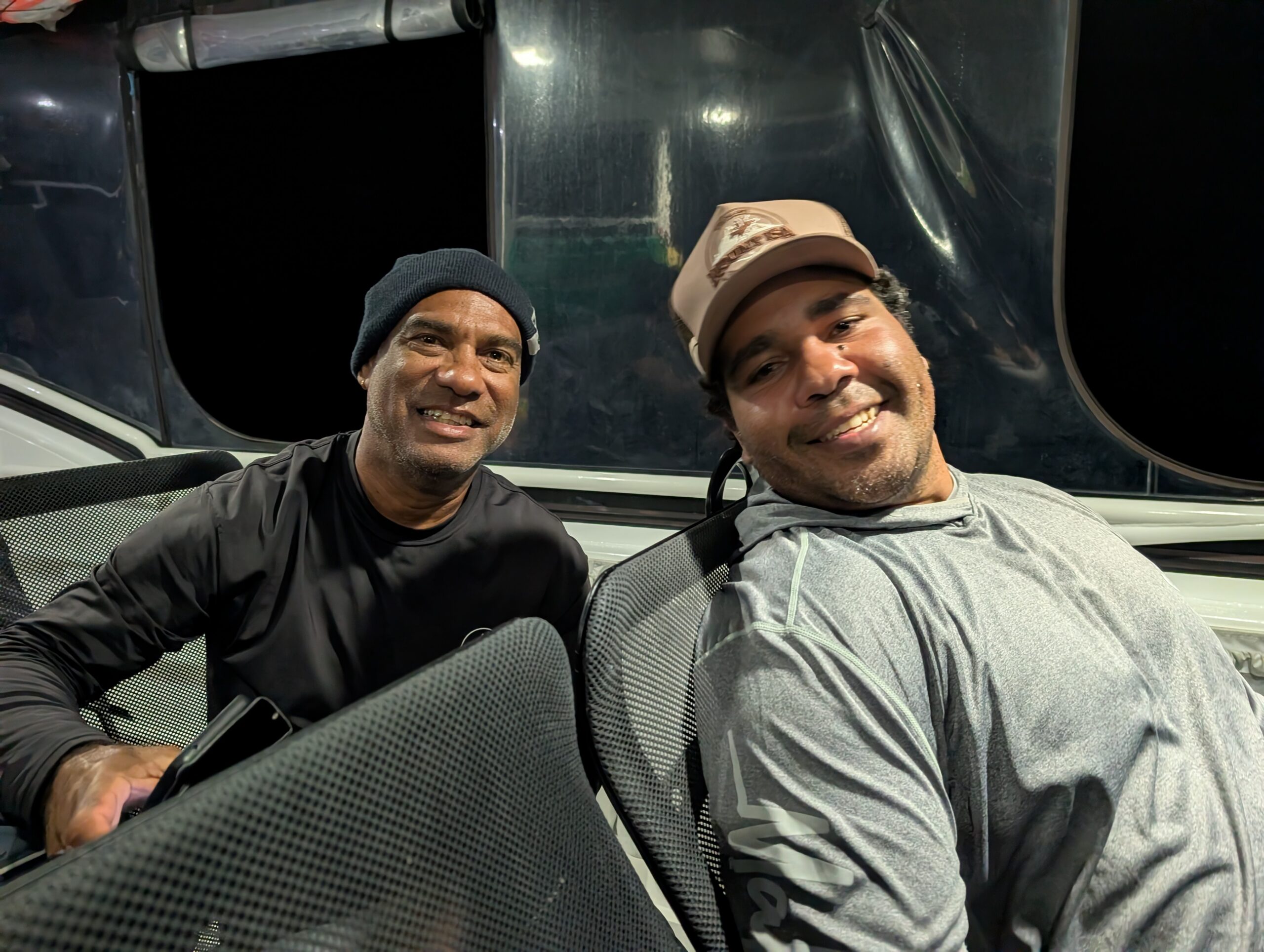
Sean said, “I enjoyed being among many different people that all share the same vision.”
Of Indigenous culture, he added, “Our model is to give before you take. This project is an opportunity to give.”
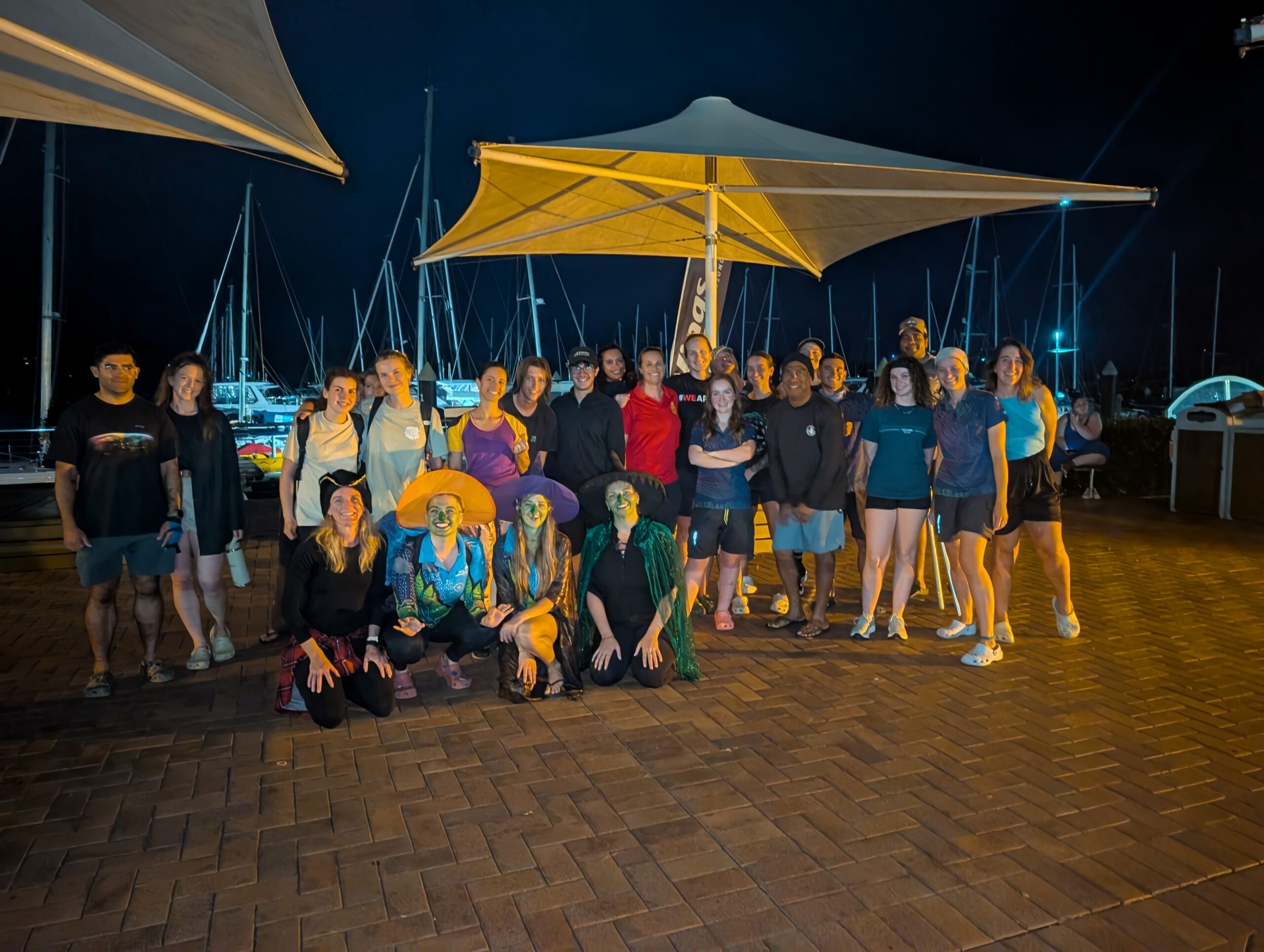
Results from the settlement tiles and seeding device monitoring are expected in 2027. A big thank you to our tourism partners Daydream Island, Red Cat, Ocean Rafting, Iconic Whitsunday Adventures and Zig Zag, who make this project possible.
Boats4Corals takes place on Ngaro and Gia Country. We pay our respects to Elders past, present and emerging.
Related projects: Boats4Corals · Inshore Resilience